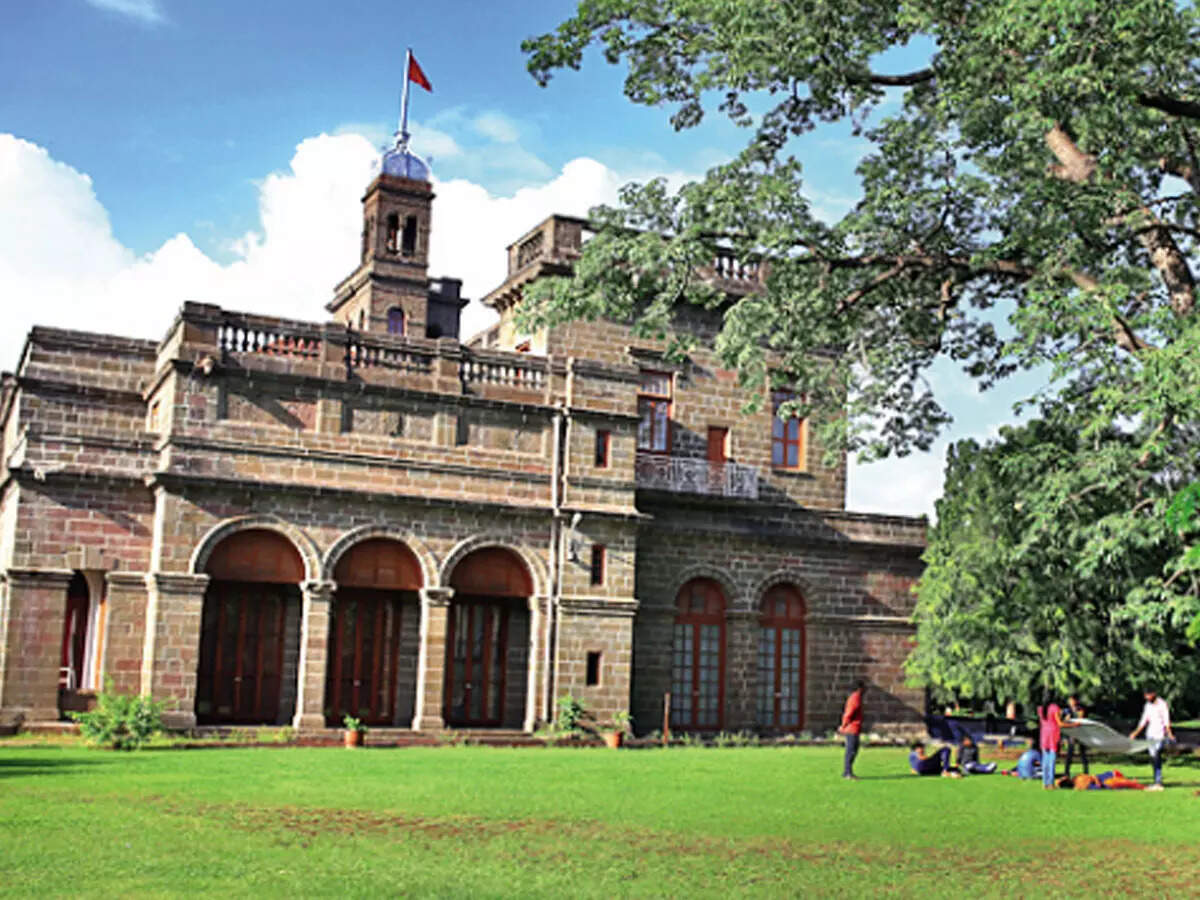
PUNE: There is approval for over 386 teaching posts at the Savitribai Phule Pune University (SPPU), but only 176 have been filled up. The domino effect is affecting the quality of education, and to some extent denting the university’s stature.
The state government’s ban on recruitment of teaching posts has stopped the varsity from filling up the remaining approved posts. The varsity has contracted 100 teachers through its funds to fill the gaps in some departments.
The vacant posts constitute nearly 55% of those that have got the approval. Registrar of SPPU, Prafulla Pawar, said, “The university has to allocate a part of its funds for contractual staff in order to lessen the burden on the present staff with the large amount of vacancies.”
Annually, the SPPU spends Rs 3.5 crore for their salaries. About 100 teachers have been appointed on contractual basis through the university funds burdening the university’s annual budget. The geography and chemistry departments have the highest number of vacancies. For instance, in the chemistry department, posts for professor, associate professor, assistant professor as well as the post of assistant librarian are vacant.
Member of the management committee of SPPU, Rajesh Pande, said that the state universities, association of university teachers and professors and also some experts in education field have constantly been demanding that the vacant posts be filled up.
“We have communicated this to the state ministry of higher and technical education. However, the state government has only been making promises, without any action. Against this background, the recruitment of university staff must begin immediately. A proposal to this effect has been sent to the state government,” he added.
In January 2020, state minister of higher and technical Education, Uday Samant had announced that 111 vacant teaching posts in SPPU, would soon be filled as there is a shortage of teaching staff.
“SPPU has been expanding, enrolment of students has increased, and several professors have retired. Hence, the university has outsourced professors to run the varsity smoothly. But this cannot be a long-term solution,” Samant had then said.
Better research quality without duplicity, impetus to industrial and social problems, interdisciplinary approach in undergraduate courses, re-imagining courses with help from industry experts were suggestions from academicians and industry experts for the university’s post-pandemic plan for the next 10 years.