Authorities have defended the handling of record flash floods, describing their warnings to disaster-struck locals as "adequate" and "timely".
Recovery efforts are under way after torrential rains wreaked havoc along Victoria's Surf Coast on Thursday afternoon, injuring a child.
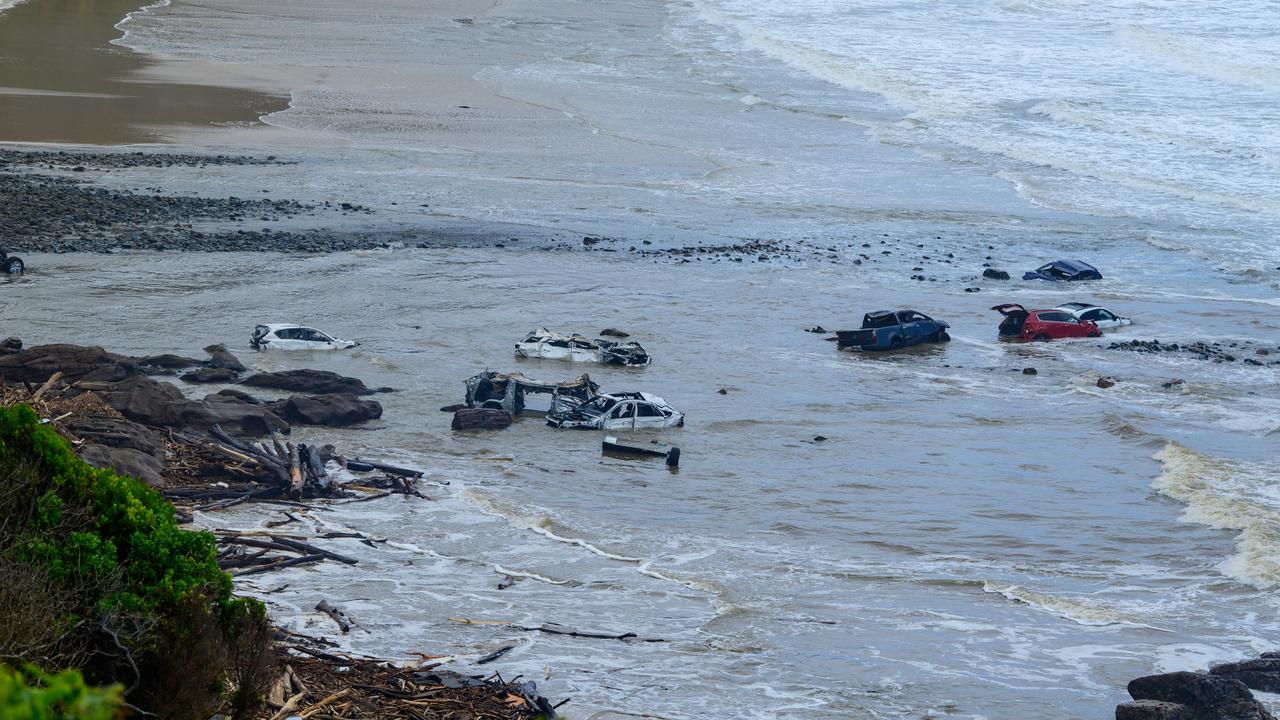
A number of cars remain stranded in the surf a day later, washed into Bass Strait by the power of the rushing waters.
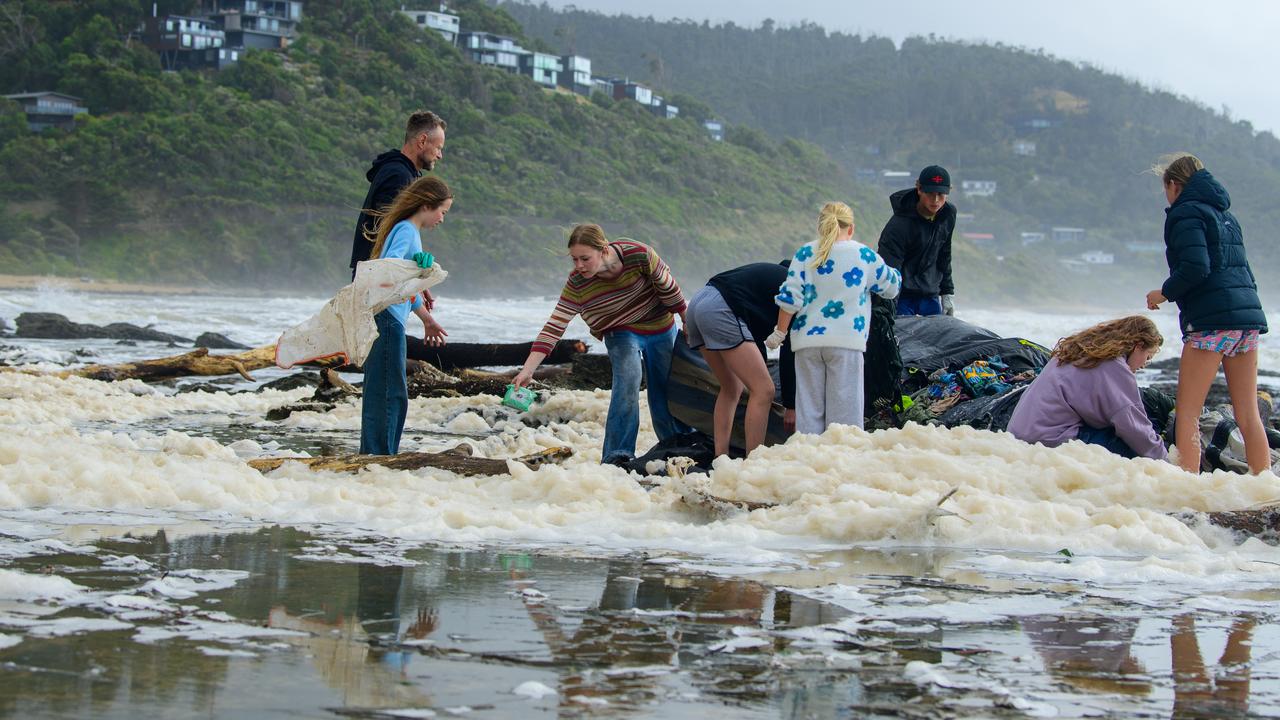
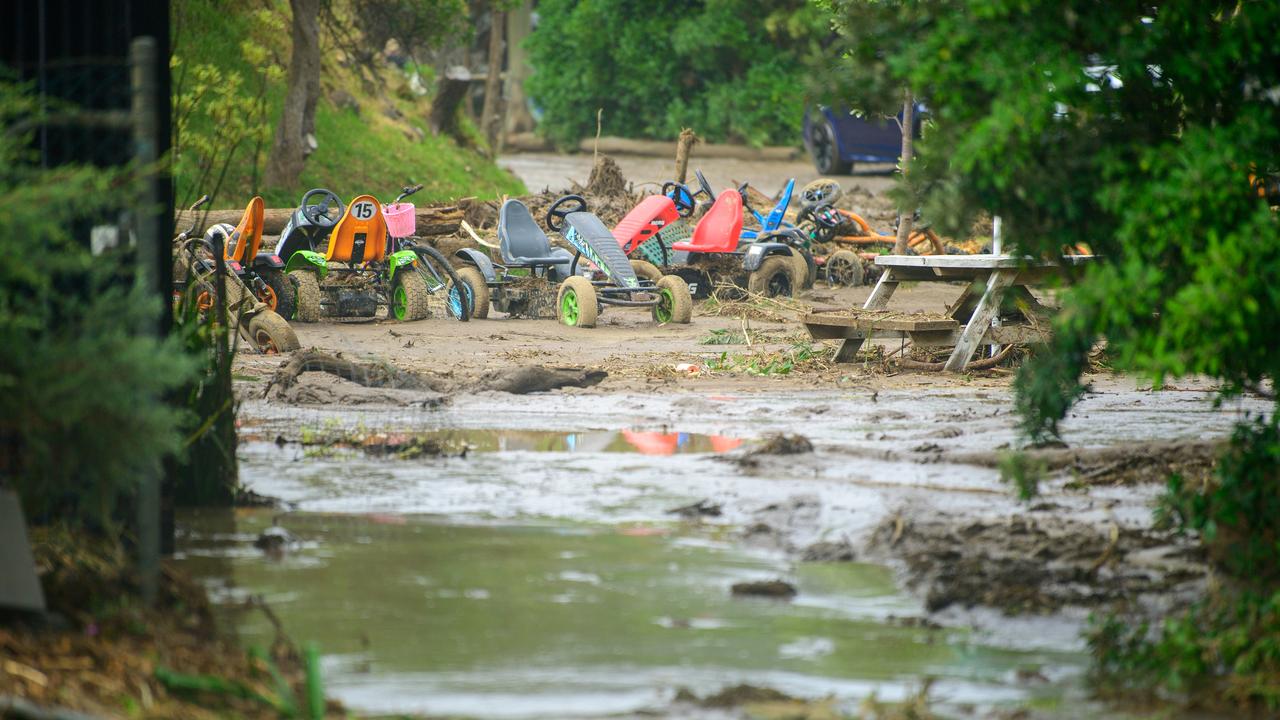
An inland downpour quickly overfilled the Wye, Kennett and Cumberland rivers, which carried huge amounts of water downstream, swamping campgrounds and upending vehicles, tents and more.
As residents count their losses, the weather bureau and emergency services have faced questions over their preparedness.
"We do believe that the warnings were adequate for what was needed at that point in time and were as timely as can be," Emergency Management Commissioner Tim Wiebusch told reporters on Friday.
The Bureau of Meteorology issued a severe thunderstorm warning at 11.57am on Thursday, which was upgraded to include life-threatening flash flooding at 12.40pm.
A watch and act warning was issued at 12.58pm for the area.
Emergency alerts were also sent to more than 10,000 mobile phones and landlines, Mr Wiebusch added, without stating when.
The first triple-zero call related to flooding at a Wye River holiday park went out at 1.08pm, followed by another at 1.20pm.
"That situation occurred very dynamically," Mr Wiebusch said.
Asked whether locals were given sufficient warning, bureau spokeswoman Diana Eadie said the weather conditions were "extraordinary".
"The warnings did cover that potential for flash flooding, but as always with these types of events, we do encourage people to make sure they're staying up to date with the latest forecasts and warnings."
More than 178 millimetres of rain fell in the area over a period of six hours, with the Lorne station registering its highest 24-hour rainfall since records began in 1884.
Rivers in the region are known to rise quickly, limiting the usefulness of traditional flood warnings.
The bureau relies more heavily on severe thunderstorm and weather warnings in those areas.
"This was a highly localised event," Ms Eadie said, noting rainfall totals varied sharply across short distances.

About 200 to 300 people are believed to have been displaced, many of whom sheltered with friends, family and support services.
Some 60 people sought formal lodging at local relief centres at Lorne and Apollo Bay.
One child was injured and airlifted to hospital.
Mr Wiebusch described the outcome as "very fortunate" given the severity of the flooding and the speed of the weather event.
He added it was too soon to tell how many structures were impacted, but estimated some 10 to 20 vehicles were lost.
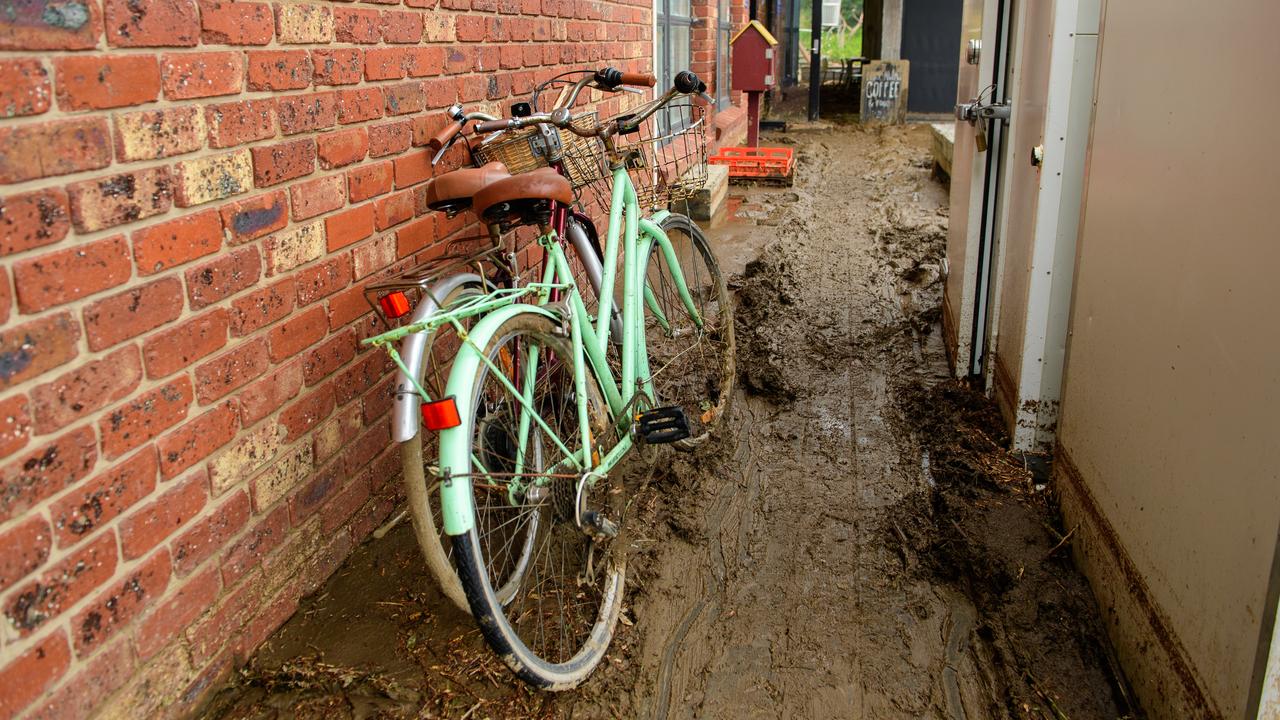
Two of those vehicles were owned by Kelly Stanhope and her family, who were celebrating their 20th annual camping trip to the Wye River when it burst its banks.
"We came out of our tent and within 30 seconds it went from our ankles to above our knees," she told AAP on Friday.
Caravan hire owner Mel Strom and her husband lost at least one caravan at the same holiday park, and expects her business to suffer.
"The flood took everything," she told AAP, describing the scene as "absolute carnage".
"I've got hires for people supposed to be taking it out for Australia Day weekend, that's obviously not going to happen."
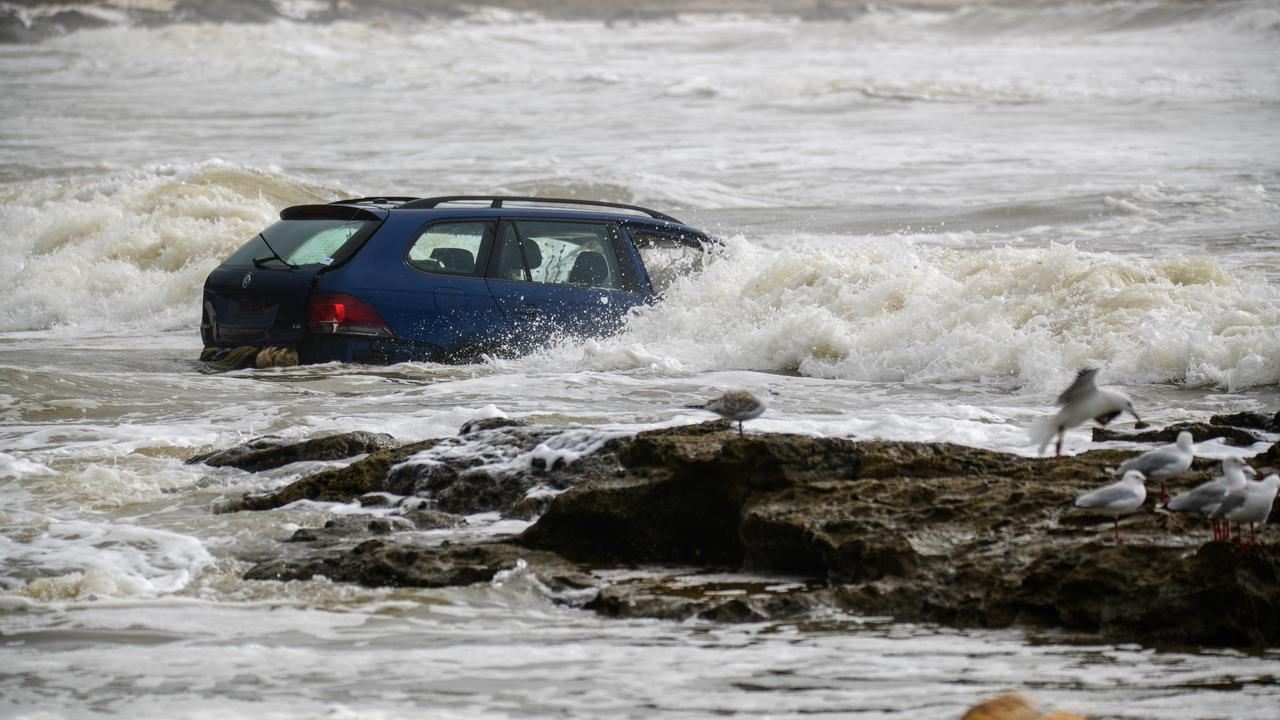
About 200 people visited a local emergency relief centre in Lorne, with a few sheltering overnight after more than 170mm of rain was dumped on the region.
Another 40 people stayed at the Lorne Surf Life Saving Club.
The area is a popular tourist spot, with thousands of holiday-makers visiting the region over school holidays.
The flooding will force many to change plans with some campgrounds closed and the main access road, the Great Ocean Road, closed south of Lorne.
Authorities expect the stretch between Lorne and Apollo Bay to be off limits to the public for some time, and are encouraging holiday-makers to check local conditions before hitting the road.