What, I wonder, has been the piece of music that has moved you most? It’s been when I’ve been unable to move that music has been most moving. “I’m moving home,” has been my refrain of late to explain being frantically busy, but now that I’ve finally moved, my body has given in to dreaded fatigue and flu and I’ve been buried beneath the duvet, limbs leaden, unmoving (apologies here must go to my new flatmates for not yet lifting a finger to help do the bins). And so I’ve been enjoying music instead from a position of stillness, curled up beneath the bedcovers while watching Glastonbury unfold, from marvelling at Mary J Blige dancing on huge heels to the dancer doing handstands as Pharrell Williams sang She Wants to Move. My main movements have, meanwhile, been an opening and closing of eyelids.
In times when I’ve been still as stone, music has nevertheless moved me.
“I like to move it, move it,” sang the Mad Stuntman in 1994’s Reel 2 Real song, which has since been sampled by will.i.am in the Madagascar films. “I like to – move it!” Of course, there’s the physical movement, dancing; then there’s also being moved inwardly by the emotional effects of music. Which piece of music has been most moving to you, physically – songs that made you get up and dance even when you’ve been feeling dog tired? – and which piece of music has moved you to tears of sadness or joy, or quelled the fiercest of tears?
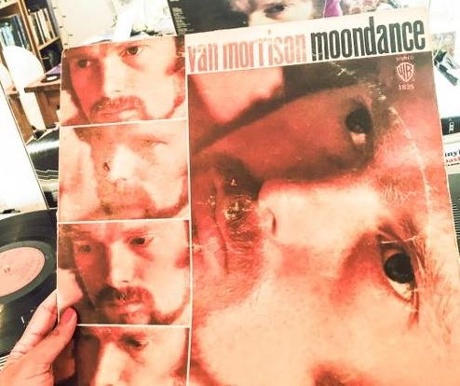
What does it mean to be truly moved? It’s something I’ve been thinking about as I moved home, listening to Van Morrison’s Moondance on vinyl while waiting with trepidation for the arrival of the man-and-van. “Smell the sea and feel the sky,” advises my favourite song on that album, Into the Mystic, about a sailor dreaming of returning home, a song filled with imagery of movement (a “bonnie boat”, sailing, flying, floating) and altogether more transcendental journeys (“Then magnificently we will float / Into the mystic”).
Floating into the mystic was the furthest thing from my mind as I helped pile my possessions out of a rented flat. I was as strong as the elderly man who finally arrived with his van, looking as if he was about to collapse at any moment.
As we drove through the city in the van, the Carpenters came on the radio, and my hitherto silent, morose companion suddenly livened up and turned loquacious, spilling out stories of his adventurous maritime youth sailing around the world as a deck boy. It seems that music can awaken such frozen memories, can shift the flotsam and jetsam of experience. Two strangers, we were kept company by mutual companions: from Simon and Garfunkel’s The Boxer to Pat Boone’s Speedy Gonzalez.
And so while moving home I’ve been thinking about the mysterious relationship between music and movement.
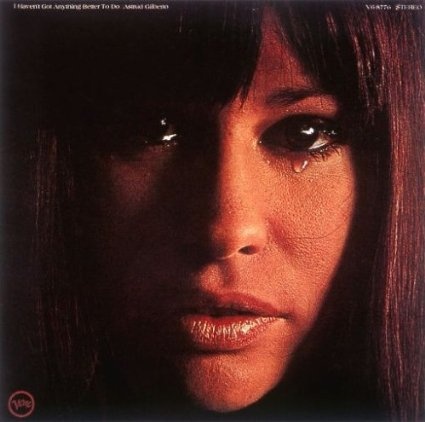
It’s the shortest songs that can take us on the longest journeys. One of the songs I’ve been listening to recently is just 2min 50sec long yet has wholly absorbed me. Trains and Boats and Planes was written by Burt Bacharach and lyricist Hal David; first recorded in 1965, there’s been a hit version by Dionne Warwick and it’s also known by its Spanish title Trenes, Barcos y Aviones. Hal David excels at creating miniature narratives, stories in songs. The version by Astrud Gilberto, from the album I Haven’t Got Anything Better to Do, first drew me in; the record cover shows the artist clearly moved, eyes welled up and a tear slipping out. (It’s by far the slowest, saddest of the versions; the others seem positively upbeat by comparison.) “Trains and boats and planes are passing by / They mean a trip to Paris or Rome / To someone else but not for me,” begins the song. It’s a slight movement within the music itself in Gilberto’s version, a dip at around 50 seconds into the song on the word “boat” when the singer is explaining how those trains and boats and planes “took you away, away from me”, that made me tear up. It seems to capture the song’s sadness, melancholically mining the gulf between a lover and their beloved, ending on something of a musical cliffhanger about whether the beloved will return “back home”. A mere fractional shift in sound can make the heart lurch, minute movements within the melodies trigger enormous emotional responses.
Then there are movements in music: take Brazilian bossa nova, which fused samba and jazz (alongside Gilberto and her one-time husband João Gilberto, I’ve also been listening to Antonio Carlos Jobim’s Wave). Bossa Nova evolved over time, changing particularly after the 1964 Brazilian coup d’état when optimism was shaken, lyrics growing more politicised, carefreeness and gentleness turning into anger, engaging with the plight of the poor, and giving way to protest songs and flavours of rock’n’roll. Turbulent times have sparked changes within musical forms themselves, as well as musical forms sparking shifts in society. Not only can music move us emotionally, but it can also move us to action such as the protest songs that fuelled political movements. (A fascinating way to observe the changing face of the feminist movement in music is inspecting record covers ranging from the Slits to Mary J Blige to Salt-N-Pepa and Beyoncé).
Last week, music took me on some actual physical adventures hunting for vinyl in record stores, discovering bargains by Billie Holiday and Nina Simone, but this week I have only been able to dream of adventures exploring record stores the world over, perhaps a trip to explore the new public library of 10,000 vinyl records in South Korea. But those times when I can barely lift a leaden limb, I can rely on music to transport me away, not even needing trains and boats and planes but a mere flick of the finger on a button.
There was once a time when I couldn’t move from the mattress, so low was my mood, so stone-still my inertia. It’s then that music swept in, snatches of song stirring something sleeping within, lifting the lethargy, shifting the stuck record of thoughts and reawakening the life force. So when even the wildest of horses couldn’t drag me out of bed, music could; music can get us up in the morning in the way no alarm clock can, and even dancing again, indefatigable. “Then magnificently we will float / Into the mystic”.
Recommended song: As it’s a Tuesday, may I also recommend listening to Ruby Tuesday by the Rolling Stones, which has been accompanying me while cat-sitting a cat called Ruby – it’s a song I’ve long loved and have been rediscovering while exploring the Stones’ back catalogue on vinyl. I could happily listen to it on repeat play all day, savouring its reminder to “catch your dreams before they slip away”.
Playlist: If Spotify floats your boat as well as vinyl, here’s a playlist of songs mentioned in this piece. At least a couple are bound to get you moving; if you’re feeling sluggish I’d recommend starting with will.i.am’s Madagascar version of I Like to Move It.