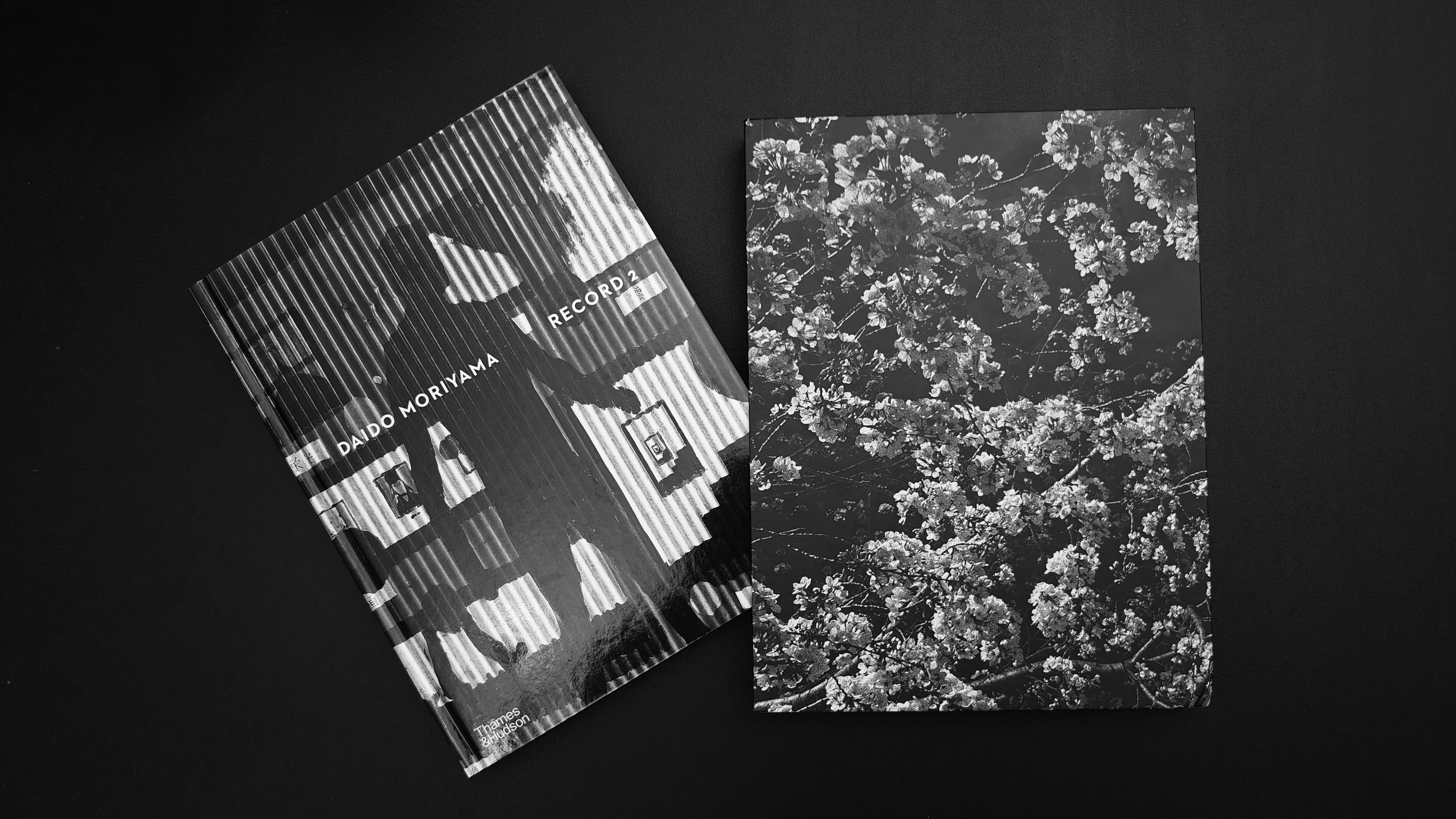

Opening Record 2 feels less like picking up a photobook – although it is, without doubt, one of the best photography books on street photography – and more like stepping inside Daido Moriyama’s ongoing dialogue with the world. This volume brings together the images and texts from issues 31–50 of Record – Moriyama’s long-running personal journal publication – and serves as the sequel to Record, the first collected volume gathering issues 1–30, published by Thames & Hudson in 2017. Seen together, these chapters form a vivid continuum, revealing how the act of daily looking became not only Moriyama’s method but his philosophy of shooting the streets of Japan.
To understand the book’s impact, it is worth remembering who Moriyama is and what he represents. A central figure in post-war Japanese photography, he rose to prominence in the late 1960s and became one of the defining forces behind the Provoke movement. His signature language of are, bure, boke (grainy, blurry, out-of-focus) fractured traditional photographic expectations and prioritised sensation over clarity. It was a radical, almost confrontational way of seeing, and it permanently shifted the vocabulary of street photography.
Collected here, the images from Record’s second run retain that spirit of immediacy. They feel urgent, instinctive, alive to the fleeting currents of city life in Moriyama’s homeland of Japan. Record 2 is not just a book of great street shots; it is a sustained immersion in Moriyama’s way of experiencing the world. A reminder that street photography can be as much about presence, movement, and feeling as it is about precision.
Publisher information
Publisher |
Thames & Hudson |
Publication date |
October 3, 2024 |
Language |
English |
Print length |
352 pages |
ISBN |
9780500027639 |
Format |
Hardback |
Dimensions |
8.5 x 1.3 x 11.3 inches |
Price and availability
Record 2 by Daido Moriyama, Mark Holborn is available in hardback from all major retailers, priced around $75 / £60; however, it is often on sale for much lower.
Review
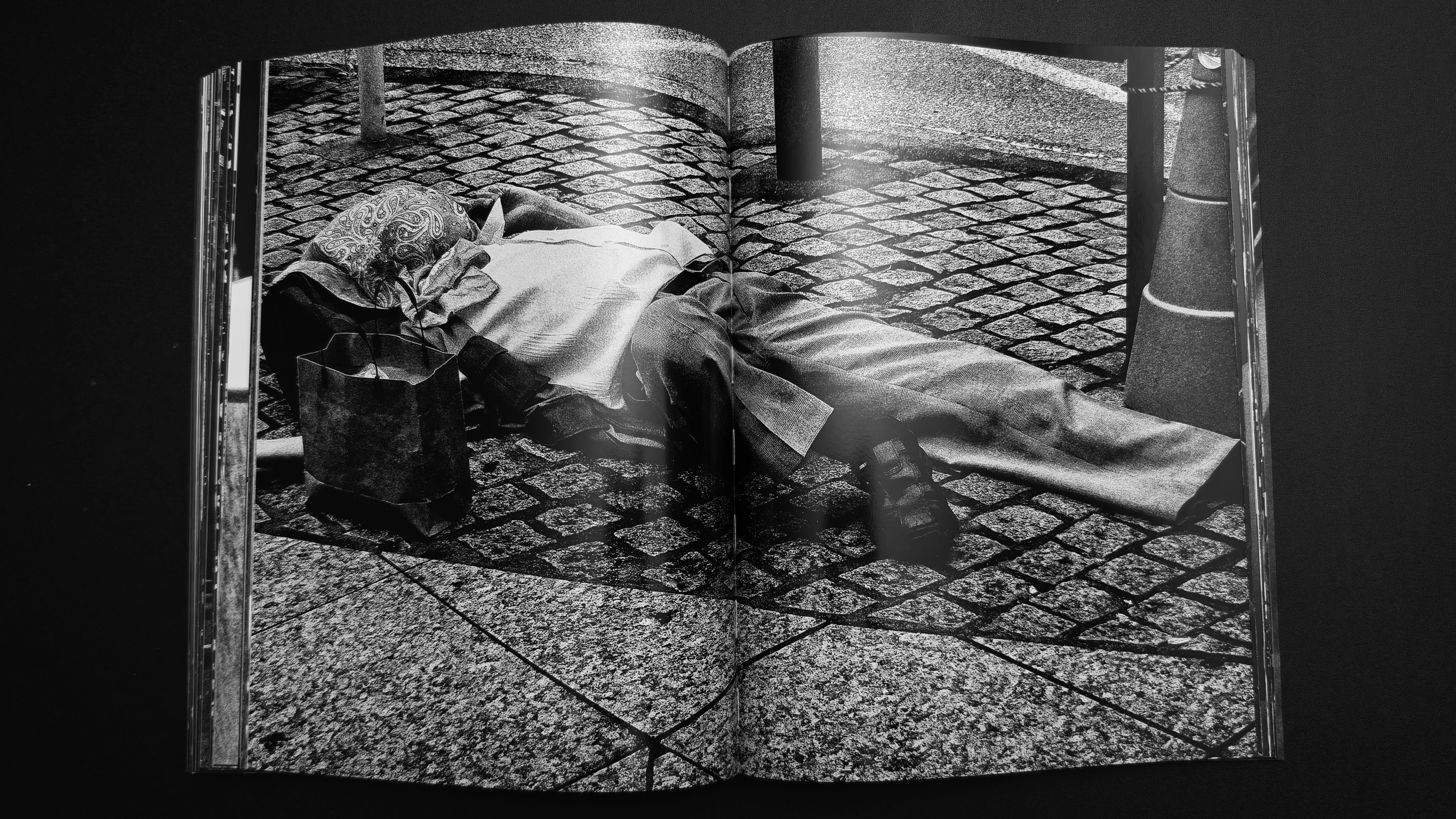
What immediately strikes me about Record 2 is its sheer intensity. Moriyama’s photographs aren’t organised around themes or linear narratives; they’re driven by rhythm. The rhythm of wandering, noticing, and shooting before thought has a chance to interfere. Each image either has the immediacy of something intercepted in motion or a small, intricate detail that would otherwise go unnoticed, yet is integral to the place.
The hallmarks of his visual language are present in full force. The high contrast. The fractured compositions. The blur that swallows detail and replaces it with atmosphere. These are not technical imperfections but creative choices, and in Moriyama’s hands, philosophical ones. His now-famous are, bure, boke (grainy, blurry, out-of-focus) style is less an aesthetic than a position on what photography can be. The world, as he presents it, is unstable, emotional, and flickering, and so the photograph should be too.
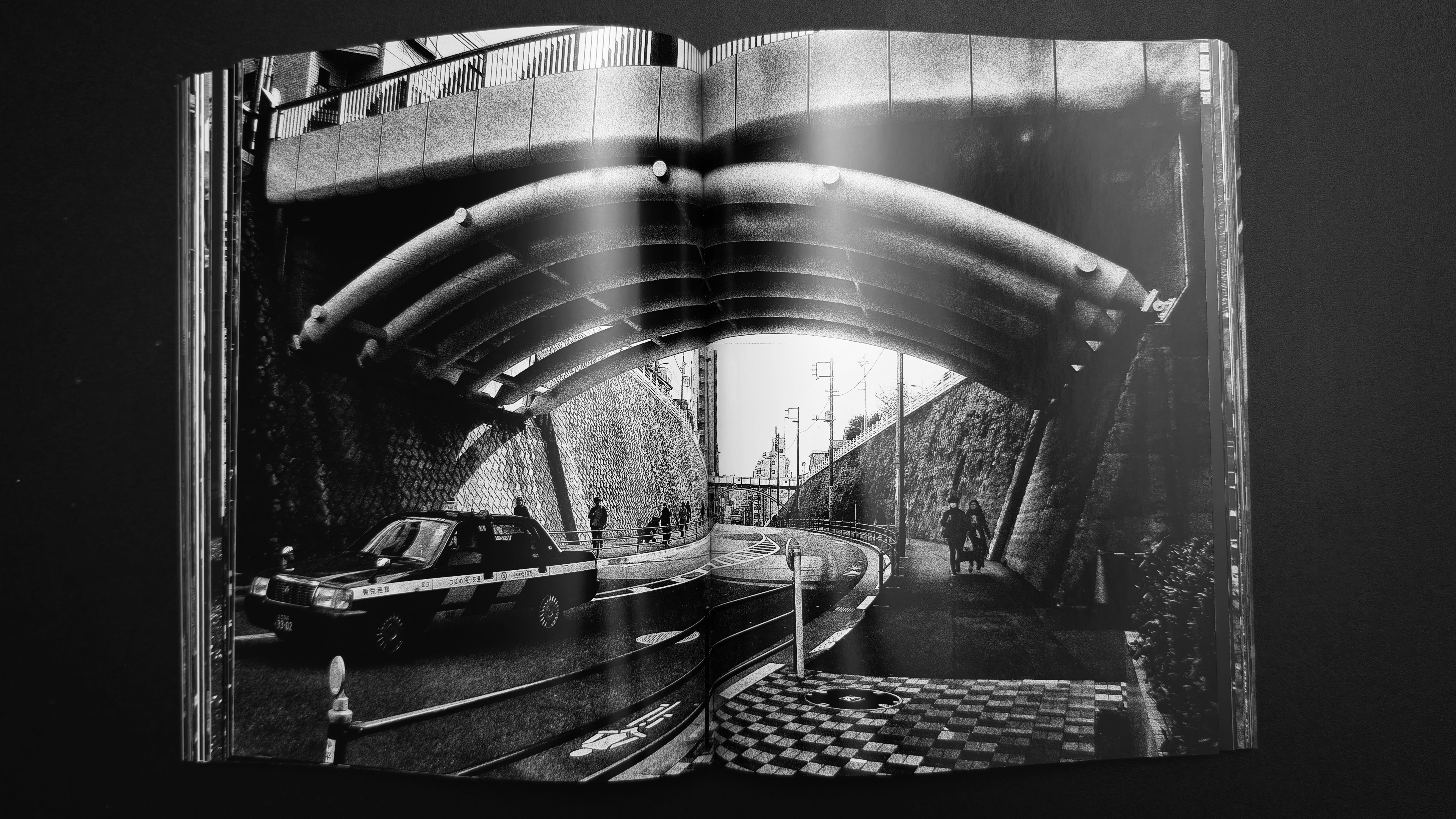
Despite the grain's rawness, blown highlights, and often indistinct forms, these images retain a surprising emotional clarity. Moriyama photographs the street not as a stage for isolated ‘decisive moments’, but as passing impressions. A blurred figure becomes a gesture, or a long shadow marks the passing of time. The impact comes not from what is literally shown, but from the way the scene is felt in that instant.
This is precisely where his influence on street photography becomes unmistakable. Long before the contemporary embrace of imperfection, Moriyama challenged the idea that technical clarity equates to artistic truth. He opened the door for photographers who prioritise instinct, atmosphere, and presence over conventional notions of sharpness or composition. Record 2 is charged with that energy on every page; a reminder that the street is defined by movement and mood, not precision.
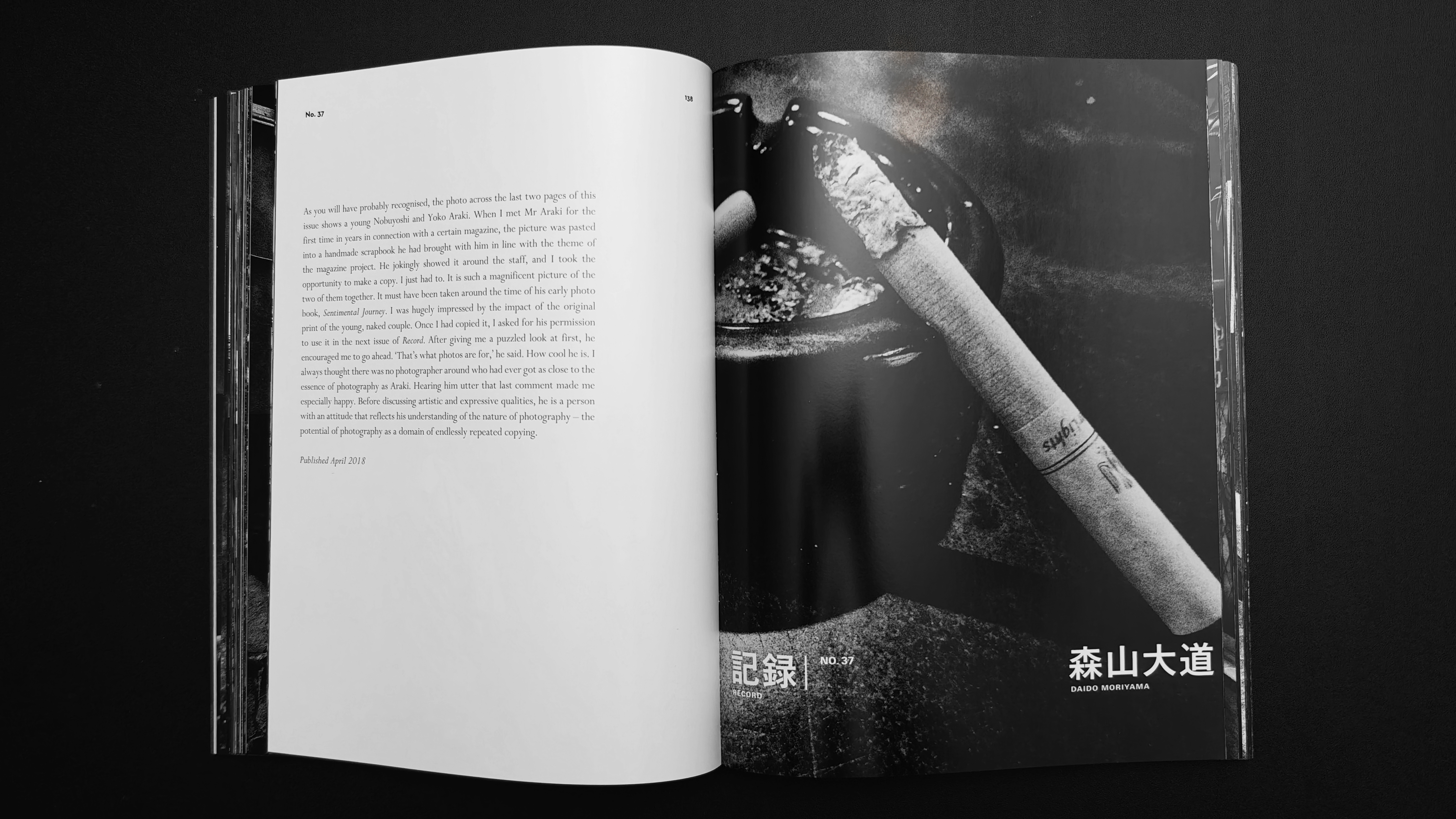
One of the most compelling aspects of this volume is how diaristic it feels. Record has always been Moriyama’s personal journal, a space where he responds intuitively to whatever pulls at his attention, and that sensibility comes through clearly here. The accompanying texts, spread throughout the book, add a further dimension: candid, reflective entries that illuminate how he thinks, what compels him, and why he continues to photograph with the same curiosity. For anyone interested in street photography, these fragments offer rare insight into one of the medium’s most influential living practitioners.
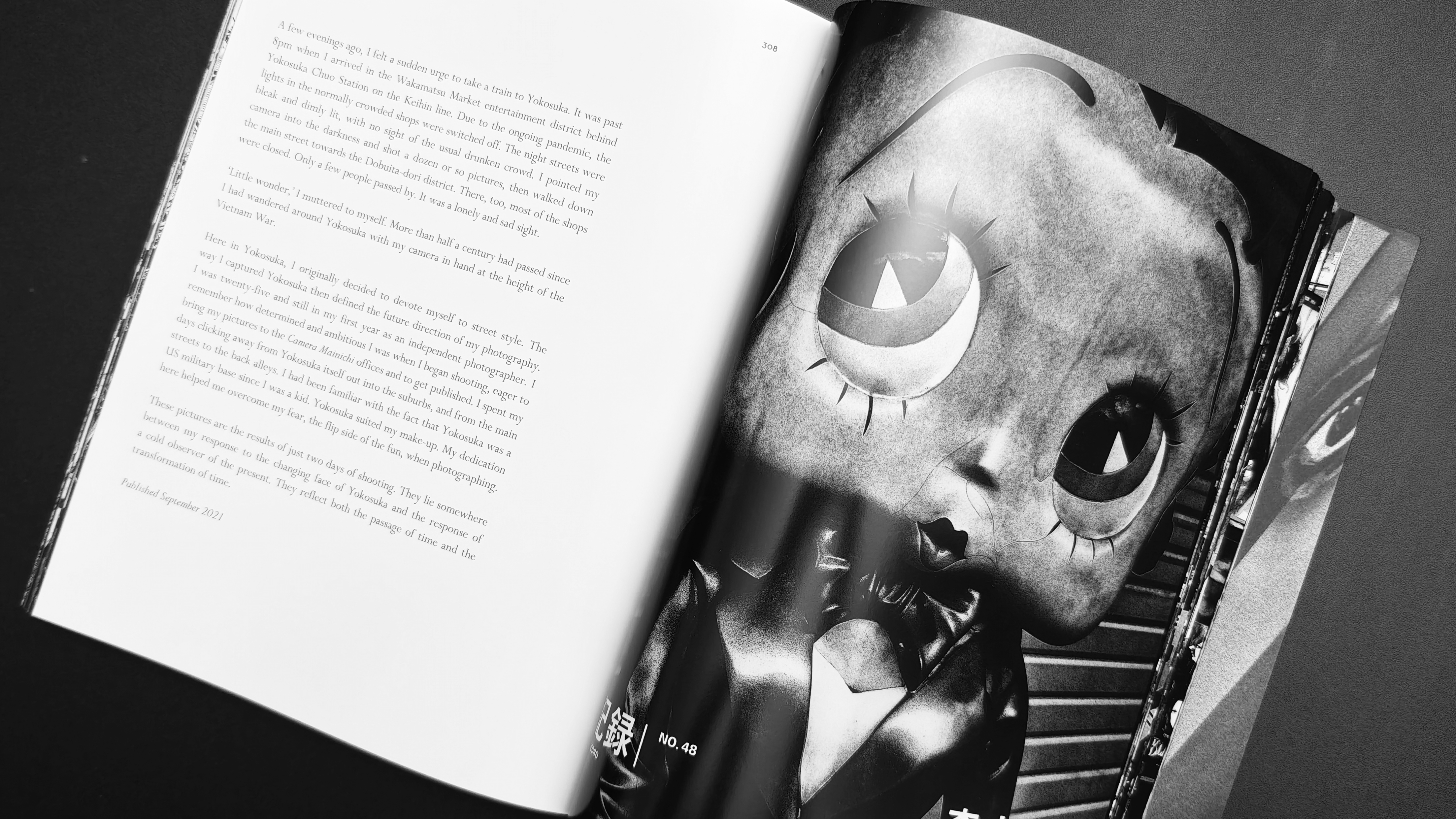
The production of the book matches the urgency of the images. The printing is rich and dense, pushing the contrast to a point where the photographs feel dynamic on the page. Full-bleed layouts heighten this immersion, giving the sense that each spread has been pulled directly from the street. There is no polish or smoothing of edges; the roughness is the point, a discipline unto itself. A hardback book presented in a slipcase, this is a beautiful object that I personally have been returning to time and time again.
A credit to Mark Holborn’s fantastic editing, taken as a whole, Record No. 2 reaffirms what makes Moriyama such a singular voice in photography. His pictures are not just seen; they are felt. And that is why, decades after he first picked up a camera, they continue to resonate with such force, more so now than ever.
Final thoughts
Record 2 is more than a continuation of Moriyama’s long-running journal; it’s a reminder of his profound influence on the evolution of street photography. Raw, restless, and emotionally charged, it demonstrates a way of seeing that resists categorisation. Moriyama trusts instinct over intention, sensation over clarity, and the result is a body of work that still feels ahead of its time.
For anyone interested in the history of street photography, the legacy of Provoke, or the expressive possibilities of the medium, this volume feels essential. It reinforces the value of photographing without hesitation, of letting the world pull you in and responding before the moment disappears.