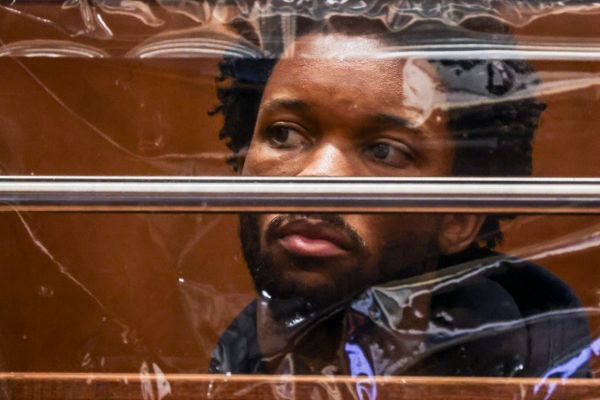
Thipyaporn Khempila was born blind. Diagnosed with glaucoma, she experienced complete loss of vision in her left eye and partial loss in her right eye.
A turning point came a decade ago when, thanks to her family and friends, she dared to leave the comfort of home and start a career in the non-profit sector. She is currently pursuing a PhD and working for the International Health Policy Program Foundation. She feels happy that her interests in communication and gender equality can benefit the general public.
"People with congenital or acquired disabilities don't want to burden anyone. Self-esteem is crucial to themselves and others. I am proud to have improved myself and contributed to society," she said.
According to the Department of Empowerment of Persons with Disabilities, as of June, there are around 2.3 million people with disabilities in Thailand. However, the National Statistical Office reports over 4 million, including non-registered individuals.
Currently, there remains a large gap between law and enforcement. People with disabilities are not always treated equally and are denied public participation.
Thipyaporn and others shared their experiences at an event earlier this month. It was organised to mark Disability Pride Month at Mahidol University's Ratchasuda College. As the month-long activity is held to raise awareness of disabilities, they redefine impairments as a mismatch between themselves and the surroundings to call for change.
Disabled by external barriers
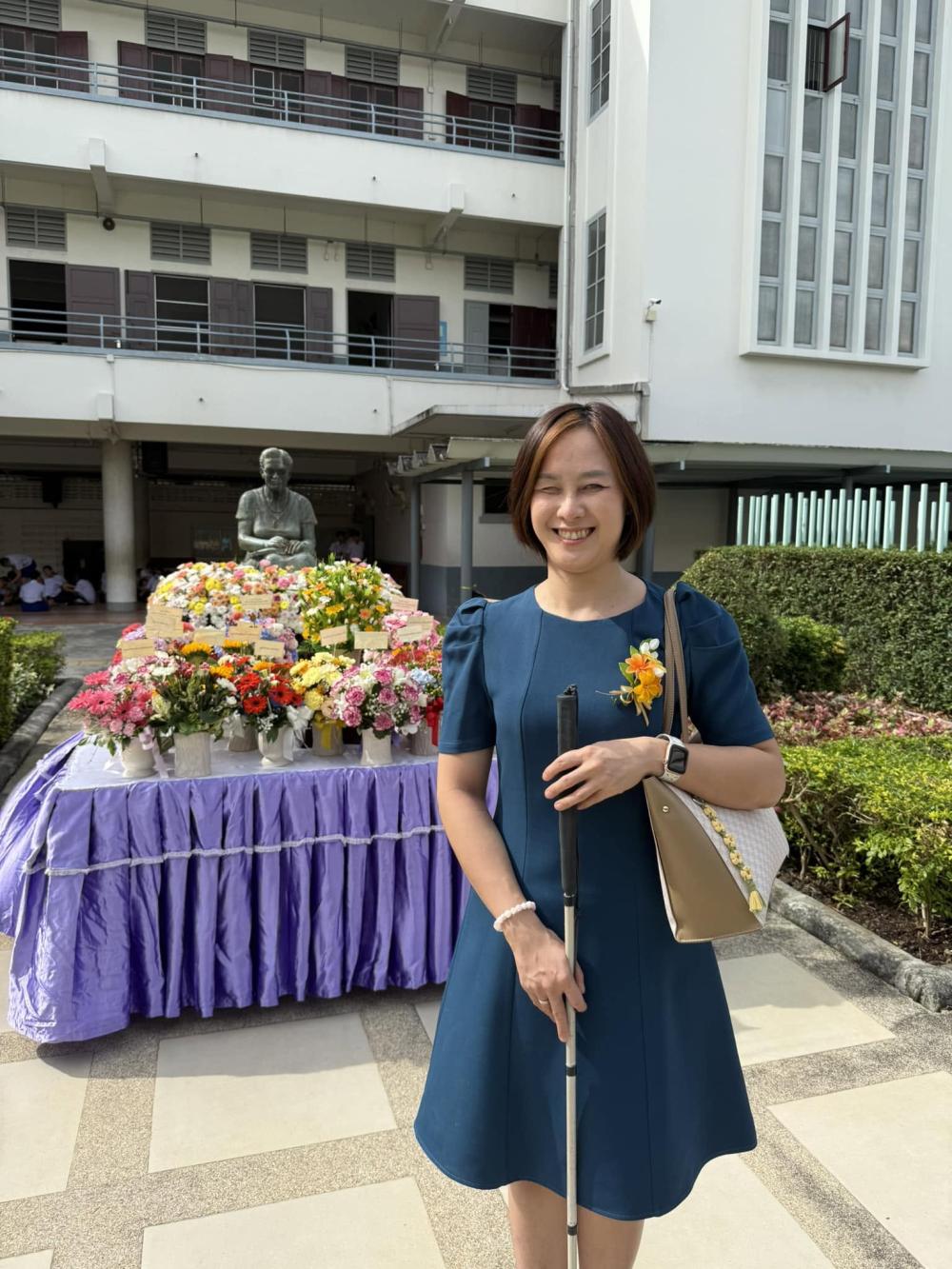
"I see disability as the result of an interaction between people with impairments and an unsupportive environment," said Thitapa Thanawasumongkol.
Thitapa acquired a mobility disability later in life. She thought it was "the end of the world" until she realised that she can make a difference in the lives of others. As the head of Vulcan Academy, she used her expertise to create a platform that promotes digital literacy by leveraging AI to empower people with disabilities.
"What if you are submerged, but cannot breathe like fish? Is it because you are disabled or you are not designed to live underwater? A person's limitations may suggest that a system itself is not inclusive," she said.
Issavara Sirirungruang, a lecturer at Mahidol University's Ratchasuda College, echoed the same view. Born partially blind, she struggled to blend in with classmates. Despite her poor vision, she kept writing in small-lined notebooks for the sake of conformity. It took her countless years to realise that she can redesign her life around challenges.
"Only when I studied abroad did I realise that I could be myself, although with additional support. I remember going to a supermarket. A staff member told me to take time packing groceries," she said.
Issavara said disability is often defined as a medical condition, for example, blindness, immobility or hearing loss, that needs treatment or at least alleviation.
While the impact is real, disability is influenced by physical, social and cultural barriers. Unsupportive environments should be tackled to allow equal participation in society.
"Disability should be seen in terms of human rights. It shouldn't be used as grounds for discrimination," she said.
Reframing disability
Although the Persons with Disabilities Empowerment Act of 2007 enshrines that all Thais enjoy the right to access public facilities, housing and transport, speakers complain of a lack of implementation, calling for government and private agencies to increase universal accessibility to ensure inclusion.
"It is a running joke in our community that if we survive in Bangkok, we can make it everywhere because all kinds of barriers are present here," said Thipyaporn.
Thitapa insisted that people with disabilities are right-holders rather than objects of charity.
"It is everybody's responsibility to promote inclusion. While disabled people should put themselves out there, non-disabled people should respect their counterparts. Mutual understanding will make society more inclusive," she said.
Issavara hopes to see the Convention on the Rights of the Persons with Disabilities, which Thailand ratified in 2008, translated into reality. It obliges participating states to take concrete steps to guarantee effective participation in all areas of life.
"People with disabilities are capable of making autonomous decisions, although some need additional support. However, they have the right to life. They should be treated on the basis of their capabilities and guaranteed full participation, for example, in employment," she said.
"A lot of them are educated and want to contribute to society."
Embracing diversity
By adopting the social model of disability, Issavara reinterprets impairment as an expression of human diversity. Having encountered those who suffered partial and complete loss of vision, she said self-acceptance is key to starting a new life.
"Once you can do that, you will be reborn. Nothing is stronger than our own mind. Go live fearlessly. When people realise that disability is diversity, they will rethink how to make society more inclusive," she said.
Thipyaporn said the social model of disability should be promoted in school. When people acquire impairments later, they will be better prepared.
"Everybody can experience disability. It is an aspect of a person's identity," she said.
For Thitapa, a growth mindset and safe space can help them develop potential. While a resilient attitude can prepare them for challenges, a safe space can make them comfortable to grow. Schools, workplaces and communities should ensure that they are involved in the decision-making process.
"We are human beings with differences, limitations, capabilities, strengths and weaknesses," she said.
"Society should embrace differences rather than fitting them into the same mould."