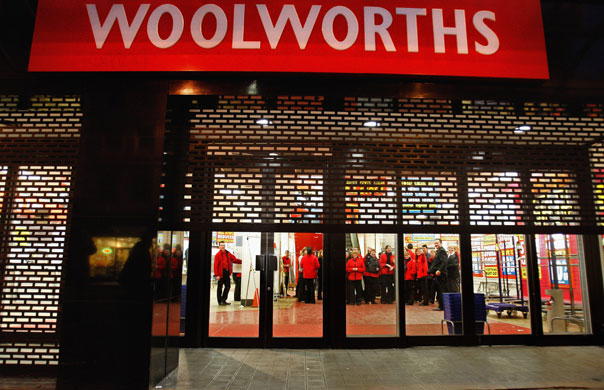
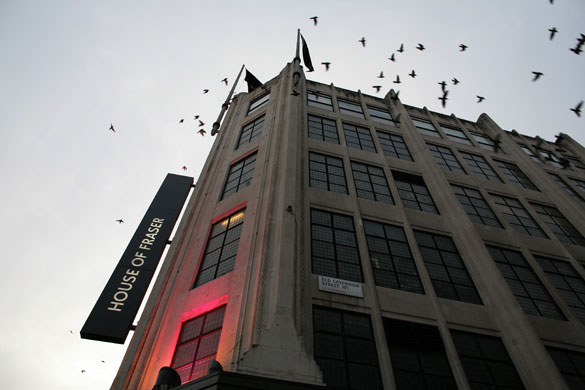
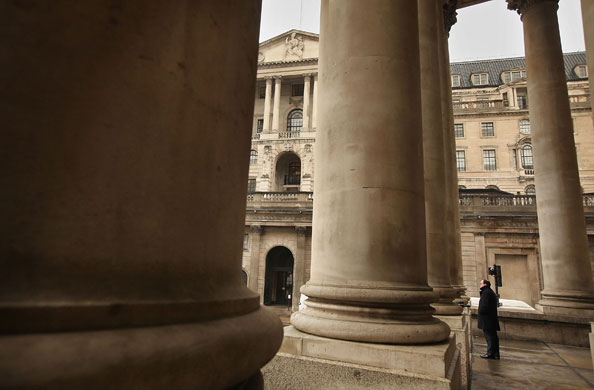
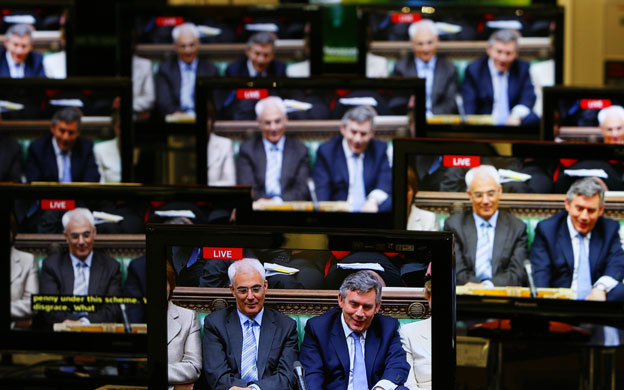
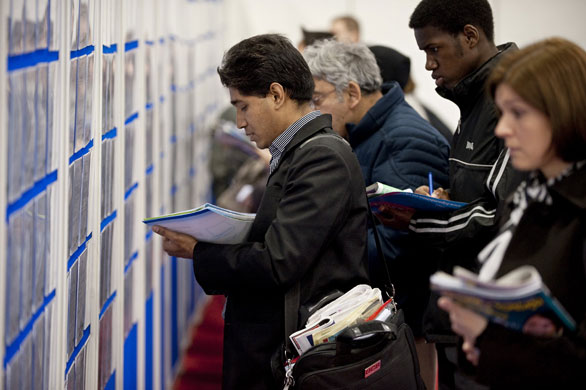
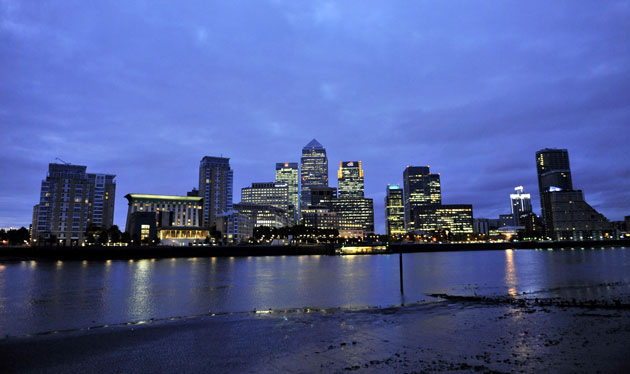
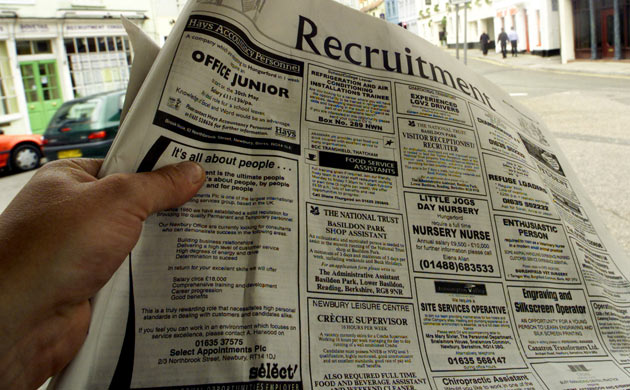
JanuaryBritain officially entered recession on 23 January with the news that the economy had shrunk through the last two quarters of 2008. It came amid a rash of bankruptcies, with Woolworths among the most high-profile retail victims. Photograph: Jeff J Mitchell/Getty ImagesFebruary The unemployment crisis picked up pace, with more job losses in the retail sector. Around 2,500 jobs were lost as Barratt Shoes went bust, and the high street was shaken by the collapse of Baugur - which owned House of Fraser and Hamleys.Photograph: Martin GodwinMarch The Bank of England cut UK interest rates to a historic low of 0.5%, and pledged to start creating money through a programme of quantitative easing. This unprecedented move came amid growing fears that Britain was on the brink of a 1930s-style slump.Photograph: Peter Macdiarmid/Getty Images
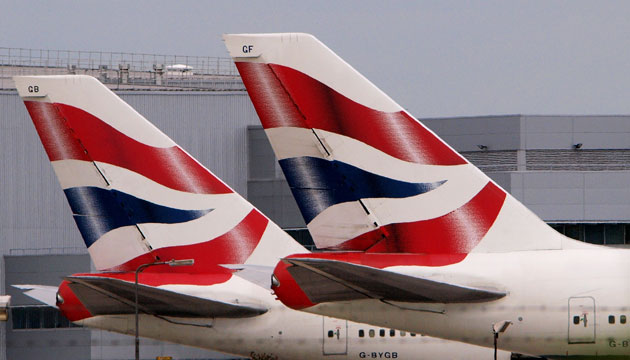
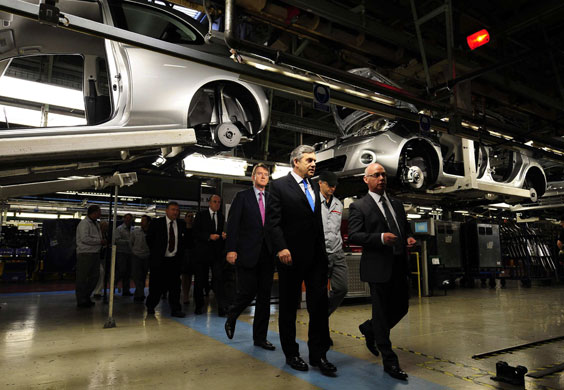
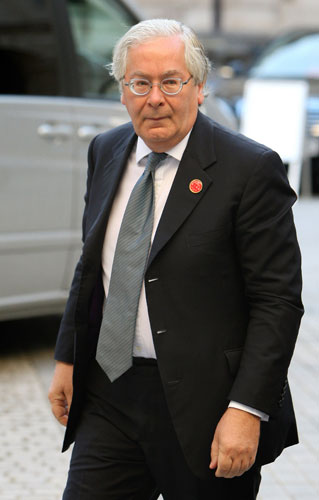
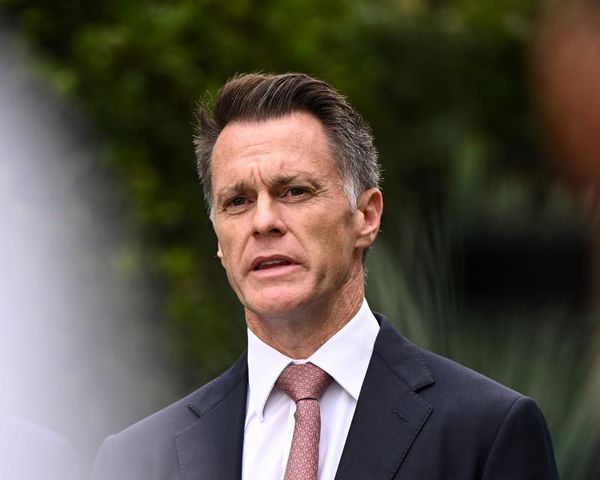
April Official data showed the recession deepened in the first three months of 2009. Alistair Darling tore up his economic forecasts in the budget, predicting that the UK economy would shrink by 3.5% in 2009. Some economists claimed he was still too optimistic. Photograph: David Moir/ReutersMay Unemployment hit 2.2 million after the biggest three-month rise in joblessness since 1981. Thousands protested against job losses on a march in Birmingham. And the Bank of England increased its quantitative easing programme to £125bn.Photograph: Ben Stansall/AFPJune There were some signs of green shoots in the UK economy, with industrial and services output both rising for the first time since 2008. But the OECD issued a warning over Britain’s “deteriorating” public finances. And at British Airways, staff were asked to work unpaid to help the airline recover from a £401m loss.Photograph: Max Nash/APJulyIndustrial and manufacturing output fell unexpectedly, dashing hopes that the economy grew in the second quarter of 2009. The reality - a 0.8% contraction between April and June - spooked stockmarkets and appeared to dash Gordon Brown’s hopes of a political fightback. Photograph: John Giles/PAAugustMervyn King came out fighting against the financial sector, blaming the banks for dragging the world into “a deep recession”. Insolvencies hit a record high, while the unemployment total rose to 2.435 million. Photograph: Dominic Lipinski/PASeptember A burst of optimism sent the FTSE 100 through the 5000 mark for the first time in 2009 after the NIESR thinktank calculated the recession probably ended in May. But the data was gloomier, with the construction industry shrinking for the 18th straight month, and unemployment nearing 2.5 million. Photograph: Tim Ireland/PAOctober: The British economy is mired in its longest recession on record, government figures showed. Unemployment is expected to rise further as the downturn runs its coursePhotograph: Graham Turner/Public Domain
Sign up to read this article
Read news from 100’s of titles, curated specifically for you.