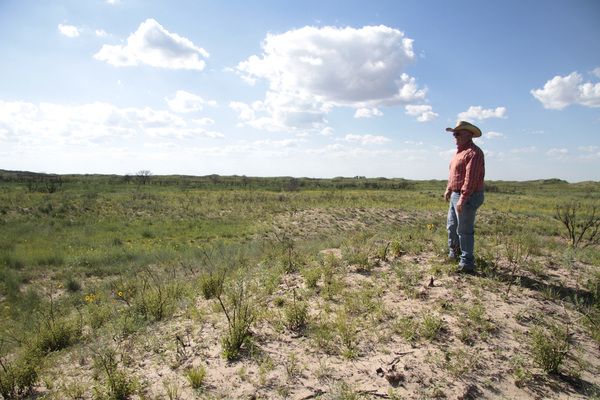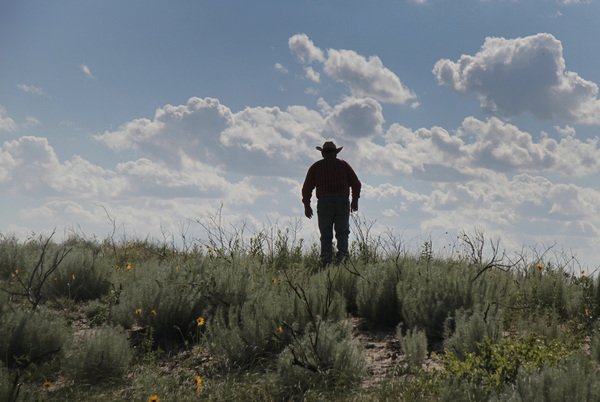
CLARK COUNTY, Kan. _ Mile after mile, ragweed and other plants brushed the sides of Greg Gardiner's pickup as he piloted pastures lined with sandy tracks engulfed in green. In places, jungles of wild sunflowers up to 5 feet tall grew where, three months ago, just sand and ash had stretched for as far as the eye could see.
"The first three weeks after the fire, it was a Sahara-looking mess," Gardiner said of the massive wildfire that raged across parts of Kansas in March. "We had days it looked like the fire had started up again, because the blowing sand and dirt was as thick as smoke. But this is what 11 inches of rain, in about two months, will do for you. It looks so much better, but we've got such a long ways to go."
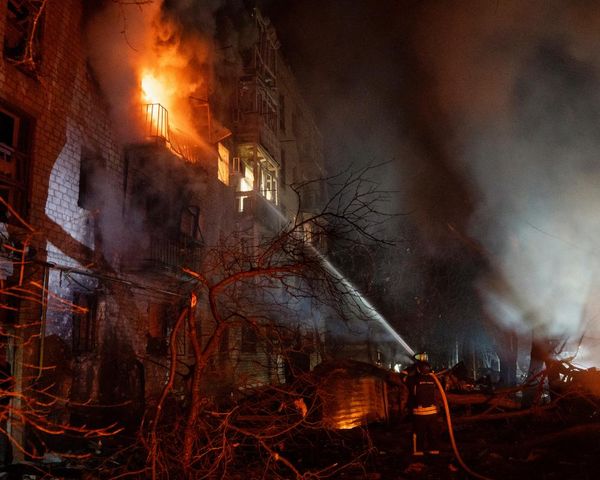
The fire that started March 5 in Oklahoma and spread north at 50 mph burned 600,000 acres of Kansas, making it the largest wildfire in state history. In Kansas, it destroyed more than 20 homes, forced the evacuation of Ashland and Protection and claimed the life of a truck driver who was overcome by smoke.
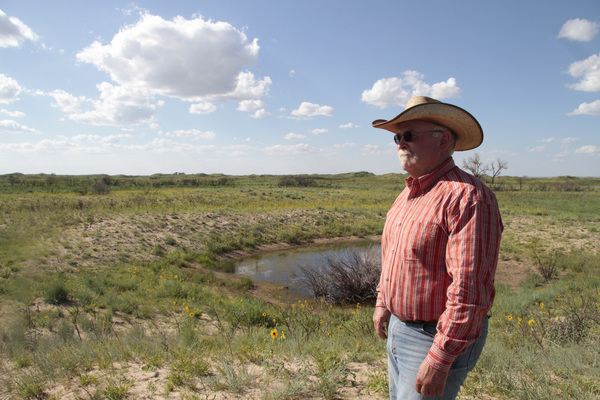
Area ranchers lost 5,000 cattle and more than 1,000 miles of fencing. Most of the ranches suffered more than $1 million in damages, much of it uninsured.
Gardiner and his brothers Mark and Garth had nearly all of their 48,000-acre ranch charred by the Starbuck wildfire.
They lost more than 500 adult cows, most with calves either newly born or soon to be born, valued at several million dollars. It's without question the largest natural disaster to befall the family, which has ranched and farmed in Clark County for more than 130 years.
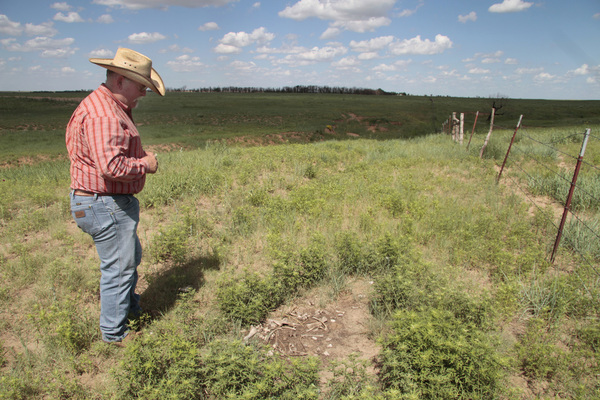
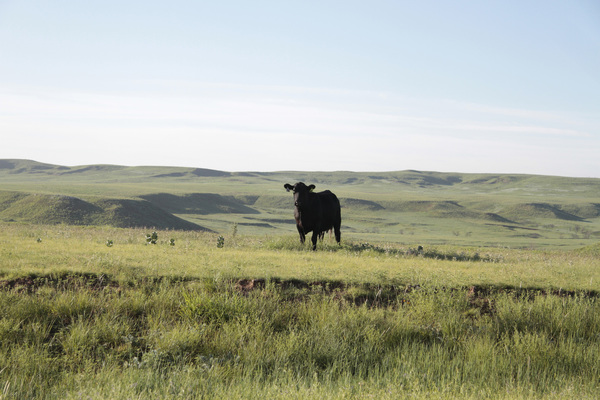
But, like most of the many ranches that burned, the Gardiner spread is healing. A few black cattle dotted their pastures, and the vegetation is growing by the hour. Still, Gardiner admitted that sometimes the task at hand can be overwhelming.
"Sometimes it hits you that you can't fix in six months what took generations to make," he said. "You take it day by day, and if that's hard, you take it sunrise until noon, and then noon until sunset. The next day, you start it all over again. You just keep working."
Randall Spare, an Ashland veterinarian, said that's the overriding attitude of the area. As well as the saver of herds, many ranchers see veterinarians as confidantes and counselors.
"People are working hard," Spare said. "But it's like Kendal Kay (president of a local bank) said, he's yet to hear anybody even hint that they're giving up. We all know this is going to take a lot of time and work."