Jane Eyre, Oliver Twist, Emma, Romeo and Juliet. What do all these titles have in common? Before you start analysing all these classics, let me tell you the answer is quite simple. They all have as a title the protagonists’ name. Instead, in the book I’m reviewing, the title is the name of a character who never physically appears in the story: Rebecca.
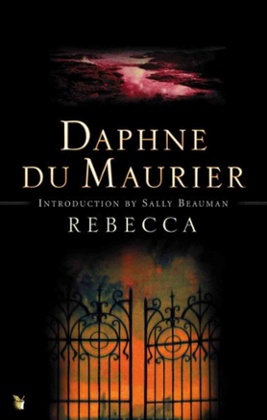
In the South of France, a young woman meets a man twenty years her senior, who is recovering after the tragic and sudden death of his first wife, Rebecca. After a whirlwind romance, he unexpectedly proposes to her, therefore making her the new Mrs de Winter. After their honeymoon in Italy, they happily go to Manderley, in Cornwall, Maxim de Winter’s estate. But their happiness doesn’t last long. On their arrival, waiting to greet them at the door is Mrs Danvers, the housekeeper, who won’t let the memory of Rebecca fade away.
It struck me that the protagonist’s first name is never mentioned, as she is referred to only as Mrs de Winter. Throughout the entire book, comparisons are frequently made between the first and the second wife. Rebecca was beautiful, popular and glamorous, while the present Mrs de Winter is plain, shy and naïve; Mrs Danvers adored the first wife, yet despises the second; and even the reader is never told the name of the second wife, but constantly reads the name Rebecca.
In my opinion, this book has one of the best villains in the whole of literature. Mrs Danvers is cold, mean-spirited, and prepared to do anything to drive the protagonist away from Manderley. Yet, even though she is such a despicable person, she was my favourite character in the book, because du Maurier’s description of her is perfect.
Even though this book was written in 1938, I think it will always be a classic.
• Buy this book at the Guardian Bookshop
Want to tell the world about a book you’ve read? Join the site and send us your review!