Mortgage rates have dipped to their lowest point in over a year, tempting many buyers back into the market. But before you rush to lock in a deal, one expert warns that lower rates don’t always mean it’s the right time to buy.
Find Out: How Much House Does $300K, $400K and $500K Buy You in Every State?
Read Next: How Middle-Class Earners Are Quietly Becoming Millionaires — and How You Can, Too
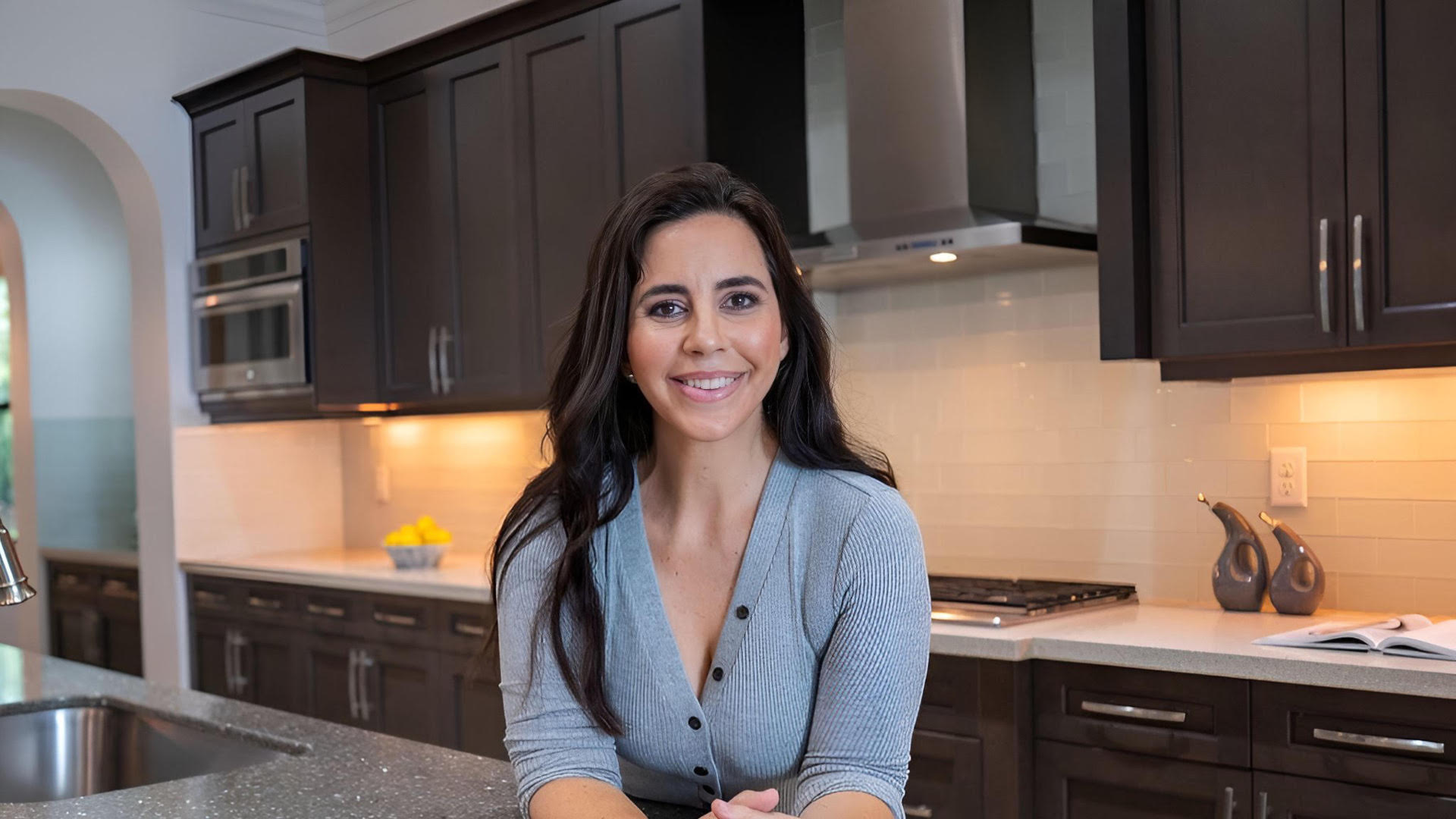
According to Sam DeBianchi LaViola, a Florida-based Realtor and former “Million Dollar Listing Miami” star, here are three signs you should wait.
You Lack Job Stability or Savings
Buying a home is a major expense, so you need to be financially prepared before making the move.
“If you’re considering changing career paths or feeling unstable with job security, then buying a home may need to be on the low end of the priority list,” DeBianchi LaViola said.
“Maybe you’ve got a solid job, but you like splurging and treating yourself — are you open to changing your lifestyle in order to put more money down or money towards a mortgage payment and homeownership expenses?”
If the answer is no, now is not the right time to buy.
Be Aware: I’m a Real Estate Agent: 7 Places To Avoid Buying a House in 2026
You Don’t Have a Financial Backup Plan
In today’s economy, your financial circumstances can change quickly. If you lost your job or lost money in a market downswing, would you still be able to afford your mortgage? If not, you should create a financial backup plan before committing to buying a home.
“Homebuying is like marriage, whereas renting is like dating,” DeBianchi LaViola said.
She recommended having six months’ worth of living expenses stashed in a high-yield savings account before even thinking about buying a home.
“These expenses include, but are not limited to, your monthly mortgage, taxes, insurance, groceries, property maintenance and your overall living expenses that keep you going,” DeBianchi LaViola said. “Nobody wants a worst-case scenario, but everyone needs to be prepared for it.”
Renting Still Makes More Financial Sense for You
Homeownership is often seen as a milestone that everyone should achieve, but the truth is that for some people, renting just makes more financial sense.
“Between a down payment of around 20% and closing costs between 2% and 5%, this can be a large out-of-pocket cost that puts you in a tight position — and this doesn’t include taxes, insurance, maintenance, etc.,” DeBianchi LaViola said. “Renting doesn’t have as many surprises, and there’s something to be said for consistency and predictability.”
Then there are factors that go beyond the finances.
“Homeownership doesn’t simply come down to whether you’re able to afford it or not,” DeBianchi LaViola said, “It also comes down to if you are truly ready to own a property and handle everything that comes with it, from the work and effort of owning a home to the expenses behind it.”
Even if you can afford to maintain a home, you may not want that extra responsibility. Bottom line: A lower mortgage rate can save you money, but only if you’re financially and personally ready for the responsibility of homeownership.
More From GOBankingRates
- 5 Reliable Cars That Will Have Massive Price Drops in Winter 2025
- The 5 Most Iconic (and Expensive) Celebrity Engagement Rings
- The Easiest Way to Pocket an Extra $250 -- Just for Doing Your Day-to-Day Shopping
- 6 Safe Accounts Proven to Grow Your Money Up to 13x Faster
This article originally appeared on GOBankingRates.com: Realtor: 3 Key Signs You Shouldn’t Buy a Home, Even With Falling Mortgage Rates