1989
As suggested by: littorally_stranded, olderiamthelessiknow, Excession77
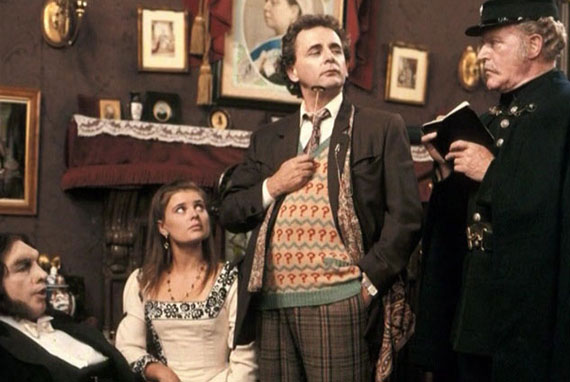
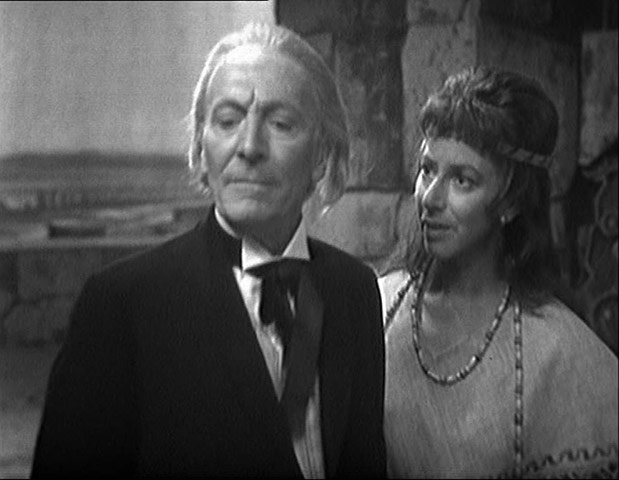
Writer Marc Platt was behind Doctor Who's incredibly complex Ghost Light storyline, from which a number of explanatory scenes were rumoured to have been edited out of the script, making the finer details of the narrative especially difficult to decipher upon first watch. It was also one of the few early plots to afford a significant amount of screen time to the Doctor's companion – in this case Ace, played by Sophie Aldred – as well a prime example of the seventh Doctor's more manipulative characteristics, with Sylvester McCoy revealing a much darker side to the Doctor than seen in previous incarnations Photograph: PR
1964
As suggested by: LizJR61, Nyder, whitehorsehill, toomuchcharlie
One of the earliest Doctor Who stories to explore the ethics of using time travel to rewrite history, The Aztecs sees inaugural Doctor William Hartnell transported to 15th-century Aztec-era Mexico. Story writer John Lucarotti had spent some time living in Mexico and this story is still credited with being one of Doctor Who's most historically accurate depictions of the past. Despite mistaken identities and an accidental marriage proposal, this is perhaps one of the bleakest, and yet also one of the best, Doctor Who storylines Photograph: PR
1973
As suggested by: aarthoor, TheElfishGene, felly10, kristinekochanski and others
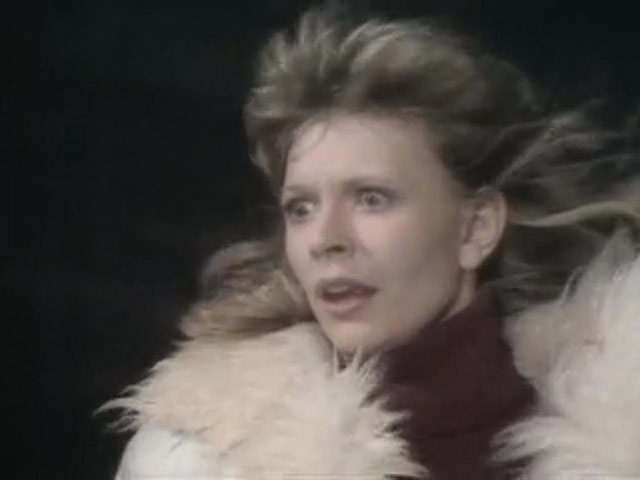
"I never thought I'd fire in anger at a dratted caterpillar, but…" Otherwise known as "the story with the giant maggots", The Green Death is also remembered for bringing about the utterly heartbreaking departure of companion Katy Manning (Jo Grant). Writer and producer Barry Letts's stories often included a moral message, and with ecological concerns providing a key theme, The Green Death is often considered to have been politically ahead of its time Photograph: PR
1972
As suggested by: mofo1, MistressG, vonZeppelin, discontented and others
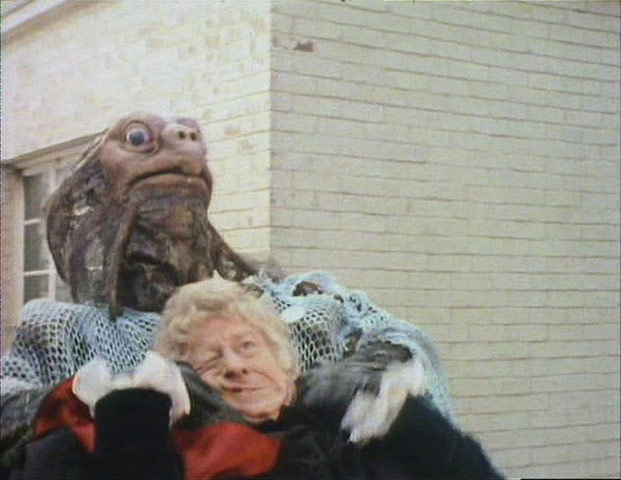
An ambitious and cinematic production brought this storyline to life, with speedboats, hovercrafts and a submarine all giving the absent Tardis a run for its money as the most impressive form of Doctor Who transport, and ensuring that the third Doctor's adventures remained as exhilarating as ever during his exile to Earth. This sea-based serial, scripted by Malcolm Hulke, also sees Roger Delgado return as the Master and even gives the Doctor the opportunity to “reverse the polarity of the neutron flow” Photograph: PR
2008
As suggested by: davison2, bopperle, annetteg, ID3466928 and others
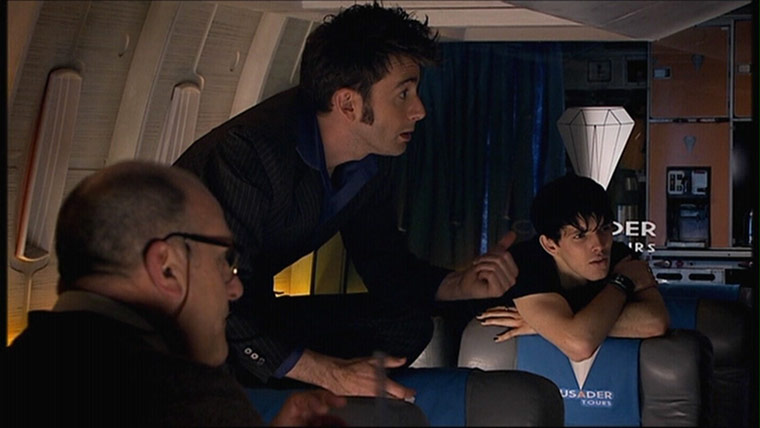
Trapped on board a kind of intergalactic coach trip, Russell T Davies's Midnight weaves a claustrophobic tale of blame and paranoia, unravelling David Tennant's usually cool and collected Doctor to reveal a rare, more vulnerable side. With a Doctor-heavy storyline that sees companion Donna Noble (Catherine Tate) sidelined by a spa trip, Midnight provides a contrast with the episode that followed it (Turn Left), in which the Doctor was almost entirely absent due to his death within the alternative reality of the narrative. It is also the first episode in which the 10th incarnation of the Doctor would hear the chilling, prophetic phrase, “He will knock four times” Photograph: PR
1975
As suggested by: aj1001, gavanelli, Mark Taylor, ghostwhistler and others
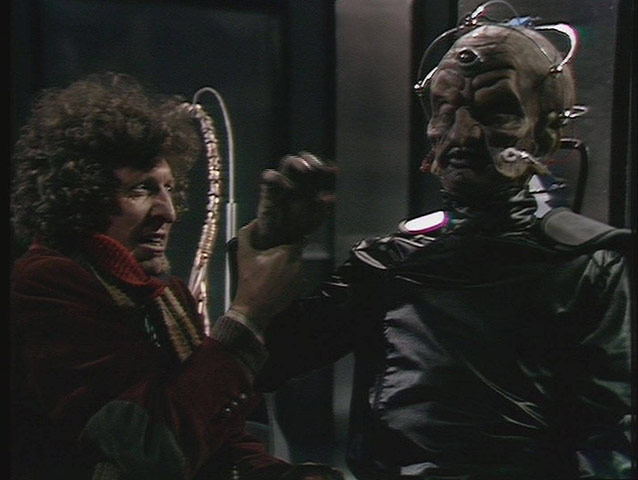
Famed for introducing Davros, creator of the Daleks, this origin story serves as a prime example of how Terry Nation sought to push his own story-writing boundaries. Fourth Doctor Tom Baker and his companions are transported to the planet Skaro for this six-part storyline in which the time-travelling trio are given the opportunity to prevent the creation of the Time Lords' greatest enemy. Despite remaining a favourite with fans, Genesis of the Daleks also reignited criticism from those who felt that Doctor Who storylines were too violent, with Mary Whitehouse describing the serial as “tea-time brutality for tots” Photograph: PR
1977
As suggested by: TimothyJN, spaycecopper, pepspotbib
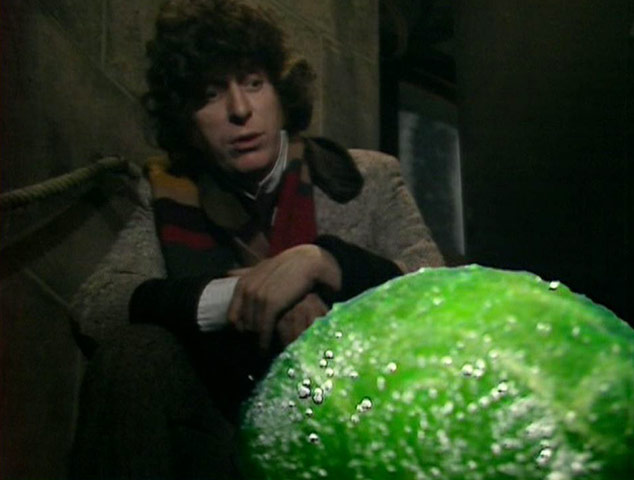
As the last-minute replacement for a vampire-themed serial, with filming forced to relocate from London to Birmingham due to studio engineering works, Horror of Fang Rock certainly had the potential to be little more than a makeshift washout. In reality, it was quite the opposite. Inspired by Wilfrid Wilson Gibson's 1912 poem, Flannan Isle, from which Tom Baker quotes, scriptwriter Terrance Dicks succeeds in building tension by refusing to reveal the identity of he monster until the story's final episode. This serial, in particular, also serves as testament to Doctor Who's overarching ability to create big scares on a tiny budget Photograph: PR
1970
As suggested by: angelamccann, trippster6, CrypticMirror, jae426 and others
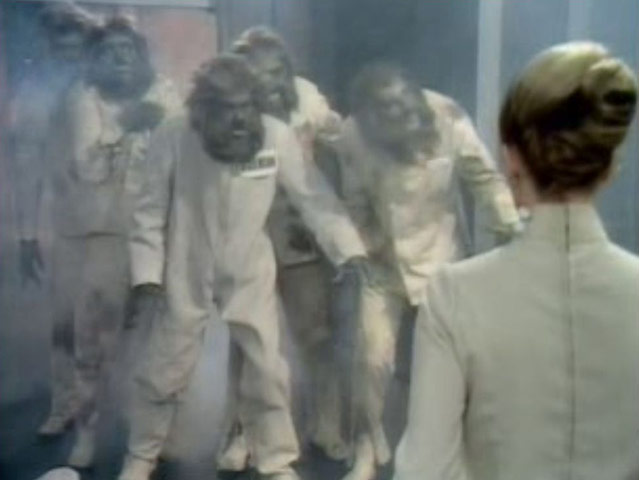
This seven-part serial took inspiration from the real-life Project Mohole of the 1960s, with a project to drill down through the Earth's crust resulting in the discovery of a toxic green slime. Meanwhile the Doctor (Jon Pertwee) is transported to a parallel universe where the UK is ruled by the dictator of a fascist regime, marking Doctor Who's first ever 'evil alternate world' storyline. Hammer Horror actress Kate O'Mara was the director's first choice for the role of Petra Williams, but despite this fact that he eventually cast his wife Sheila Dunn in the role, this particular storyline still sparks plenty of B-movie comparisons Photograph: PR
2006
As suggested by: Scheissegal, Pinkythedolphin, BearsandPears, toomuchcharlie and others
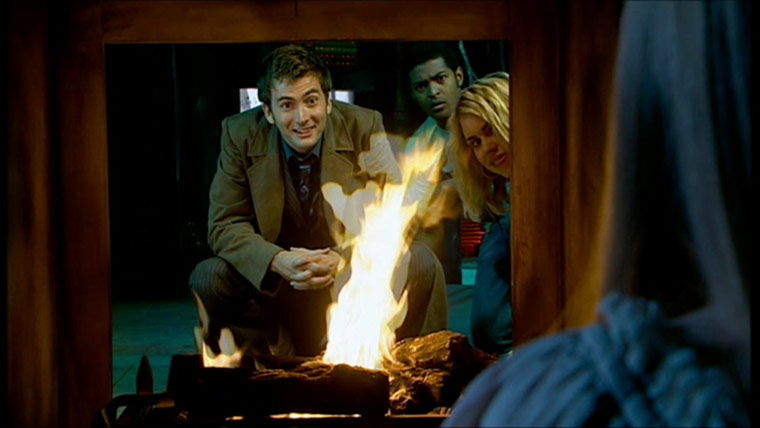
Russell T Davies is said to have had the idea of creating a Doctor Who love story while working with future Doctor David Tennant on the BBC drama series Casanova, although The Girl in the Fireplace is actually the only 2006 episode to be penned by Steven Moffat. As the Doctor, Rose (Billie Piper) and Mickey (Noel Clarke) are transported back to 18th-century France, they encounter Madame de Pompadour who, in a typically Whovian twist, is being stalked by clockwork androids – and yet still manages to become the first non-companion character to share a kiss with the Doctor Photograph: PR
1977
As suggested by: Terra_Infirma, Scorf, Matt_Probert, Tim Austin and others
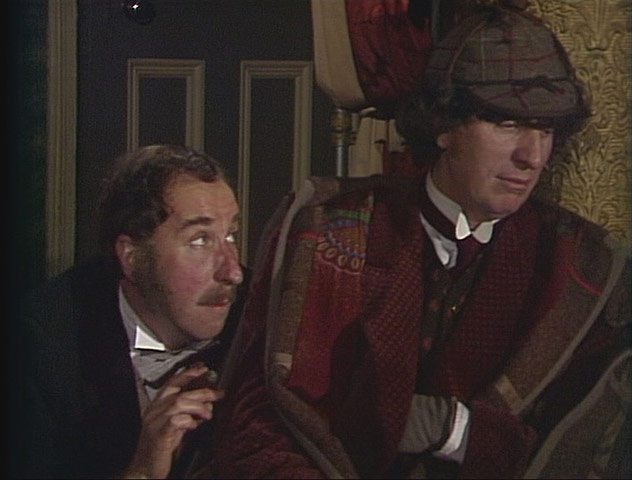
With the Doctor donning a deerstalker hat and tweed cape, it's easy to see why The Talons of Weng-Chiang is often compared to The Adventures of Sherlock Holmes. However, this final serial of the 14th season has come to be considered an example of classic Who. Talking dolls always tend to terrify and Mr Sin will have remained lodged in the minds of many – even if the realisation of the story's giant rat resulted in one of the Doctor Who's least convincing monsters Photograph: PR