Scandar Copti, Yaron Shani, 2009
Recommended by: indygene and dotbadi
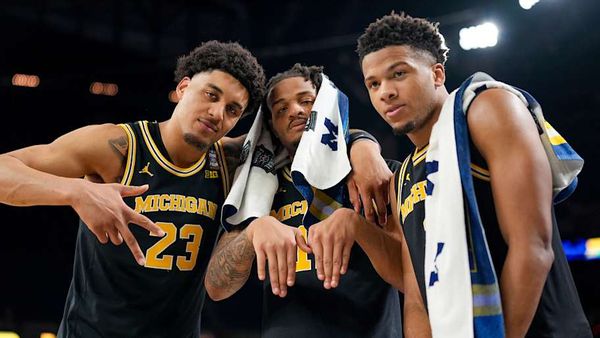
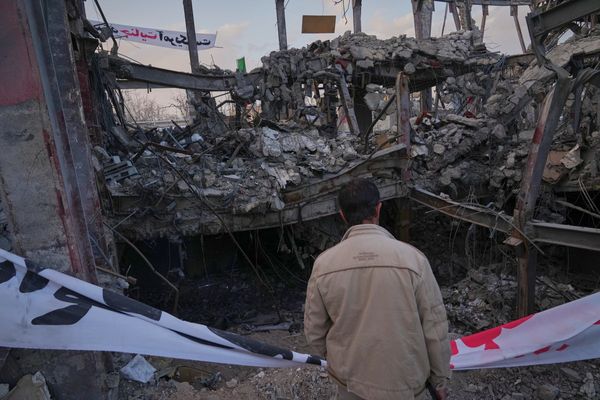
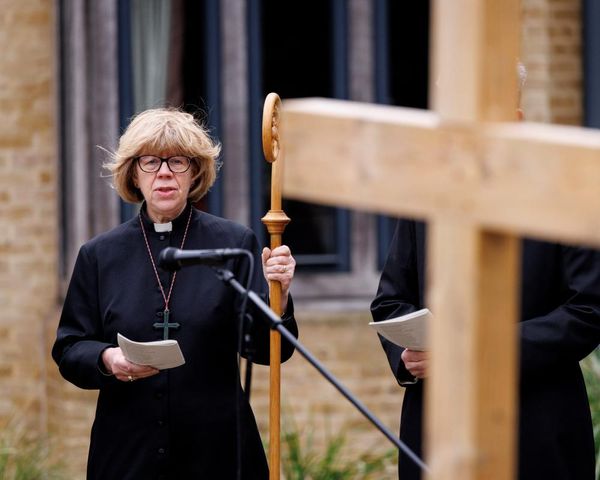
Israeli and Palestinian films were well-represented among our commenters, with many readers recommending features that referenced the conflict. The most popular choice was Ajami, an Israeli-Palestinian co-production, thanks to its brutal and nonpartisan depiction of everyday life in Tel Aviv. A hard-hitting but mesmerising watch Photograph: Moviestore Collection/Rex Features
Dorade Lahham, 1987
Recommended by Lizzay3j3
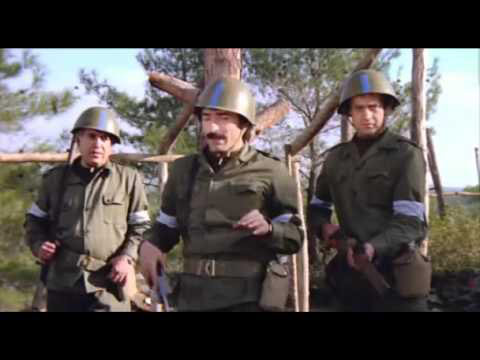
What does it mean to be Arab? In a corner of the world so blighted by war and with the issue of territory regularly rearing its head, it is perhaps unsurprising that so many of the films concern themselves with identity. Borders (Al-Hudoud) mocks the notion of Arab unity in an offering that is as relevant today as it was upon its 1982 release.
According to Lizzay3j3, it's "one of the best pieces of Arab cinema, reflecting so much on the issue of borders, citizenship, etc, in the Middle East. Particularly in Syria" Photograph: PR
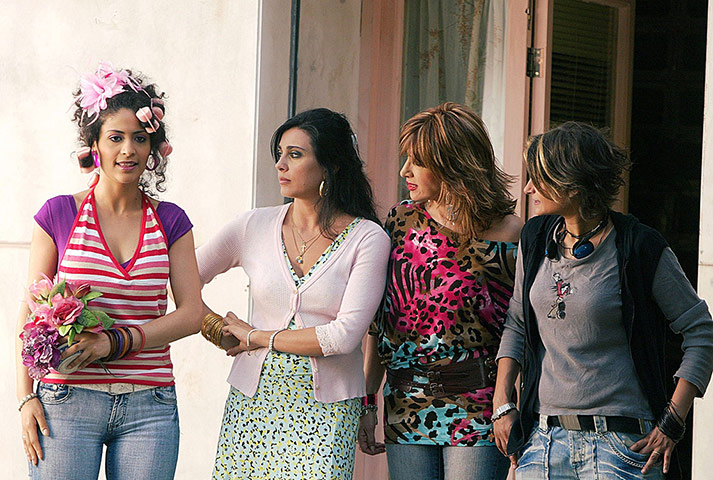
Nadine Labaki, 2007
Recommended by: ID0043978 and trimphone
ID0043978 champions the "delectable" Caramel, Nadine Labaki's 2007 debut. This Beirut-set feature won plaudits for its charming portrayal of friendship and solidarity and proved - long before Bridesmaids - that female-led vehicles could hold their own in the boys' club world of comedy Photograph: Everett/Rex Features
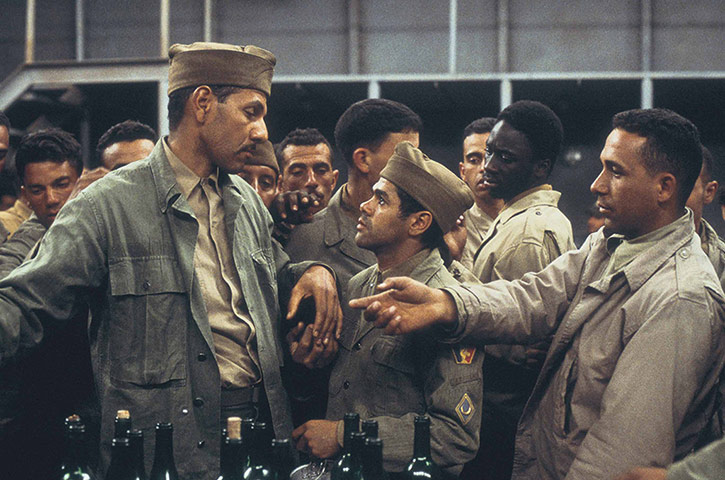
Rachid Bouchareb, 2006
Recommended by MakeBeerNotWar and Usini
This Oscar nominee details the discriminatory treatment towards North African soldiers, who had helped liberate France during the second world war, at the hands of the French soldiers they fought alongside. Its impact was so great that after watching a screening, Jacques Chirac, the then French, ordered back payments to surviving veterans Photograph: Moviestore Collection/Rex Features
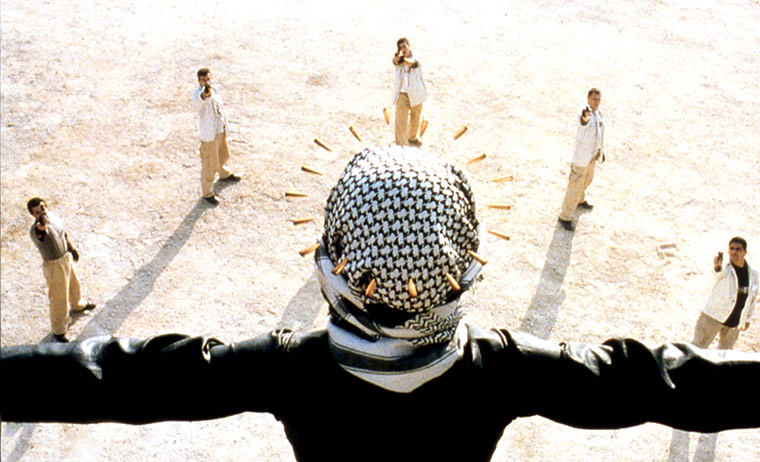
Elia Suleiman, 2002
Recommended by indygene
Elia Suleiman's name crops up again, this time for his debut. Contrasting with his later work, Divine Intervention eschews dialogue in favour of surreal sequences and a focus on cinematic techniques. This emphasis on style is striking, though it alienates some viewers, including GeraldEmerald Photograph: Everett Collection/Rex Features
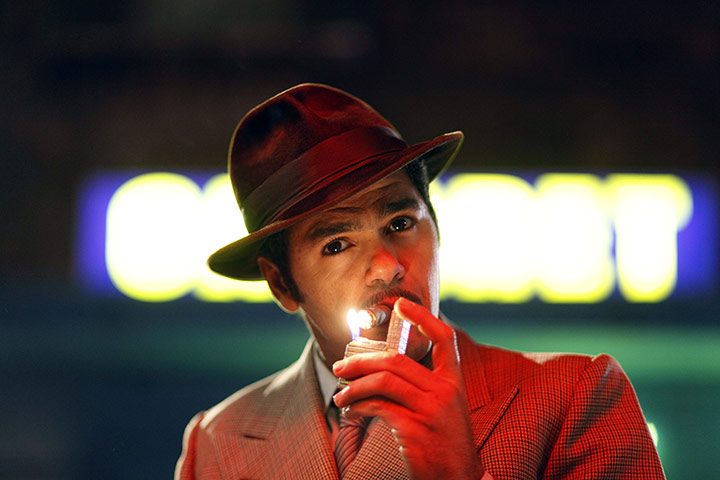
Rachid Bouchareb, 2010
Recommended by AFrenchMan and MakeBeerNotWar
Days of Glory's follow-up is touted by MakeBeerNotWar, while AFrenchMan believes it to be a superior film to its predecessor. Here, Rachid Bouchareb revisits the plight of North Africans, this time through the eyes of three brothers who struggle for Algerian independence. Bouchareb's fearless direction sheds light on a dark and oft-overlooked period in France's past - the bloody state massacre of Algerian protesters - in an unrelenting attempt to challenge to the 'official' history of the country Photograph: Everett Collection/Rex Features
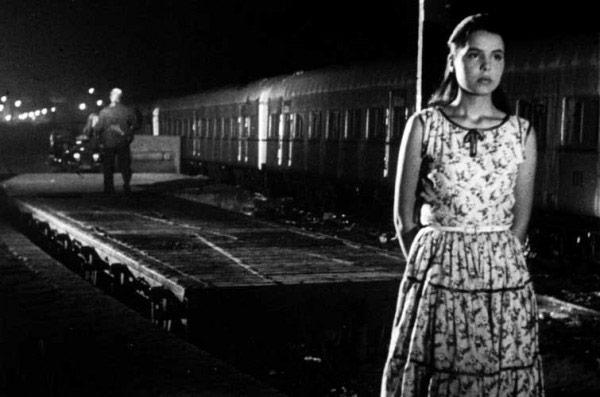
Youssef Chahine, 1958
Recommended by: cortexatmit and LuzAzul
Cortexatmit is perplexed by our failure to include Cairo Station, the tragicomic offering by Youssef Chahine. The celebrated Egyptian shocked audiences in the 50s with his violent depiction of a woman's death. It outraged the country's censors, too, who banned it due to the 'inordinate emphasis of erotic parts' and the 'hopeless' representation of social problems. Thankfully for cinephiles everywhere, the ban was overturned in 1970 and the film is now considered a classic. LuzAzul describes it as "the best ... Chahine ever made": no mean feat, considering his back catalogue spans half a century and launched the career of Omar Sharif Photograph: PR
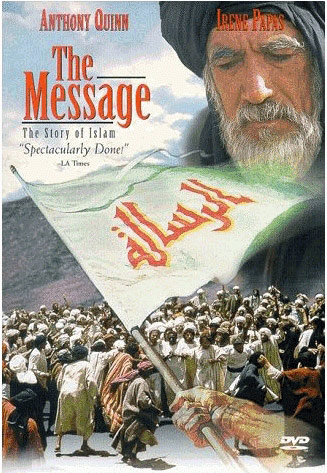
Moustapha Akkad, 1977
Recommended by: TheTrueFreeeThinker
This epic veers away from the comedic offerings that dominate the readers' suggestions, instead serving as a (somewhat heavy) introduction to early Islamic history. Failure to secure production money from Hollywood means that The Message was financed partly by the former Libyan dictator Muammar Gaddafi. Perhaps this explains its relative absence from western countries Photograph: PR
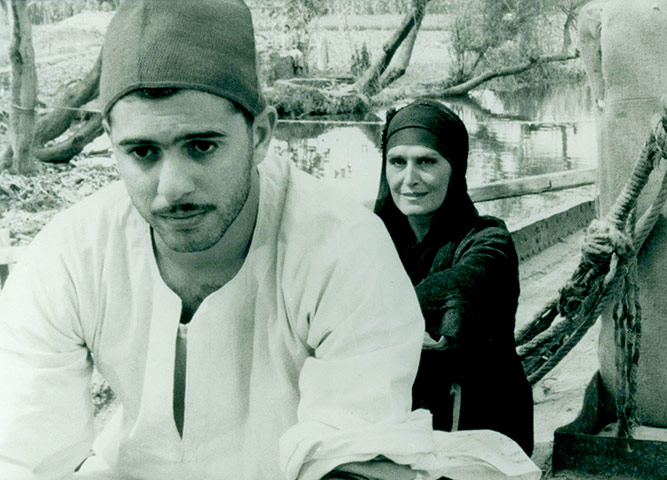
Youssef Chahine, 1986
Recommended by thebley
Youssef Chahine was a popular figure among commenters, the omission of the "Arab classic", The Sixth Day, outraging thebley. Considered in cinephile circles as one of Chahine's best works, this often overlooked comedy launched the acting career of Egyptian singer Dalida Photograph: PR
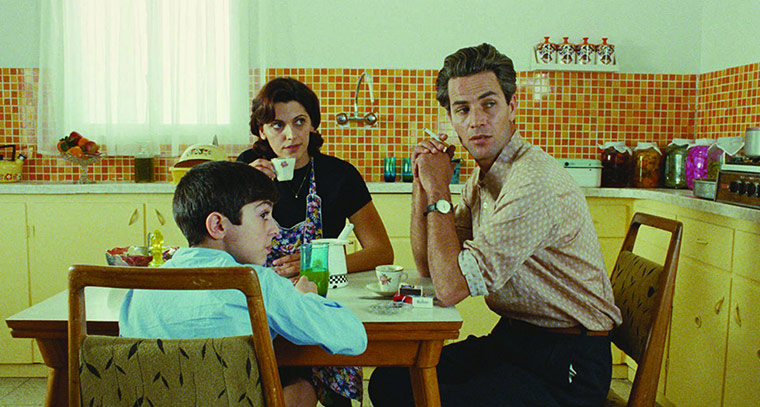
Ekia Suleiman, 2009
Recommended by: http://discussion.guardian.co.uk/comment-permalink/24934858
The creation and evolution of the Israeli state is not necessarily fertile ground for comedy yet the Palestinian film-maker Elia Suleiman manages to weave moments of absurd humour into The Time That Remains. The film offers more, however, than just biting satire; Suleiman's use of his father's diaries and his memories of his own childhood create a deeply personal account of life as an “Israeli-Arab” Photograph: Snap Stills/Rex Features