Get all your news in one place.
100’s of premium titles.
One app.
Start reading
The Guardian - UK
The Guardian - UK
World
Jaz Cummins

Readers' photos: water and sanitation – in pictures

Water: Flickr group reader
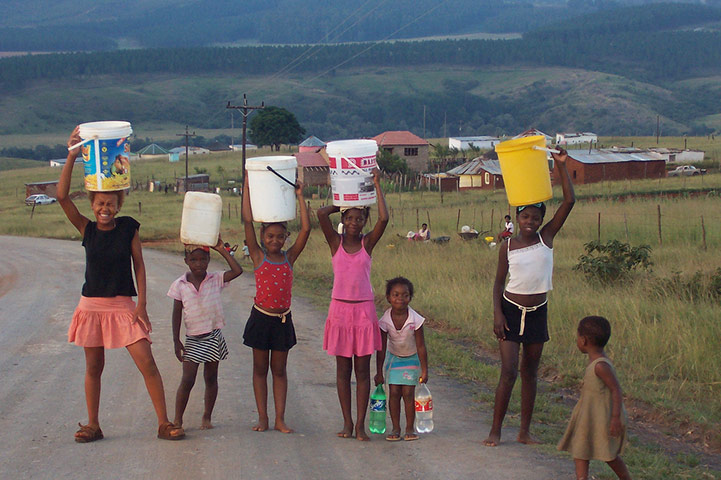
Girls carry water from a communal pipe in Mzimkulu valley, Kwazulu Natal, South Africa
Photograph: bridgetinnes/Flickr
Water: Flickr group reader
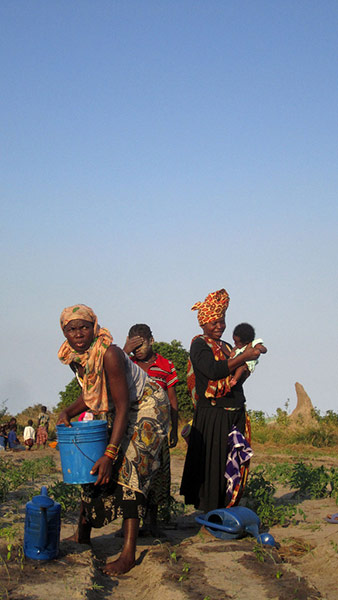
Women irrigate their crops in the village of Mapandi in Mozambique. They don't have access to energy for pumping water and therefore have to collect it from distance sources and irrigate their field by hand, which is both time-consuming and inefficient
Photograph: Jason Morenikeji/TCEC/RenewableWorld/Flickr
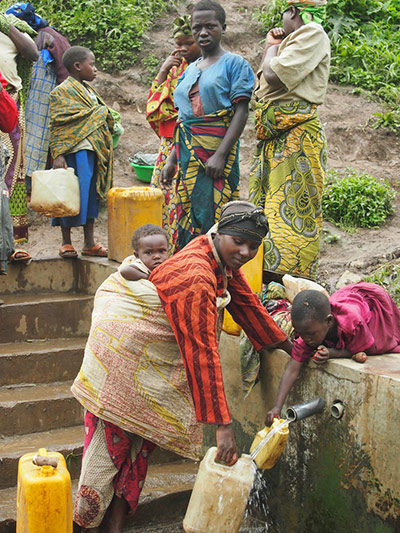
Water: Flickr group reader
Women in the east of the Democratic Republic of the Congo collect water from a protected spring, which prevents water contamination
Photograph: Caroline Gluck/Oxfam/Flickr
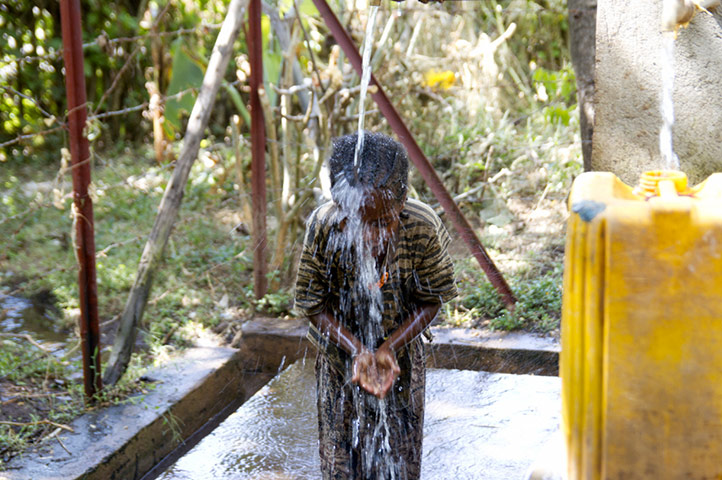
Water: Flickr group reader
A child at a clean water point in Benata, Ethiopia. Such facilities, part of ongoing work to build communities’ resilience, have reduced the impact of drought for many people
Photograph: Christian Aid Images / Flickr
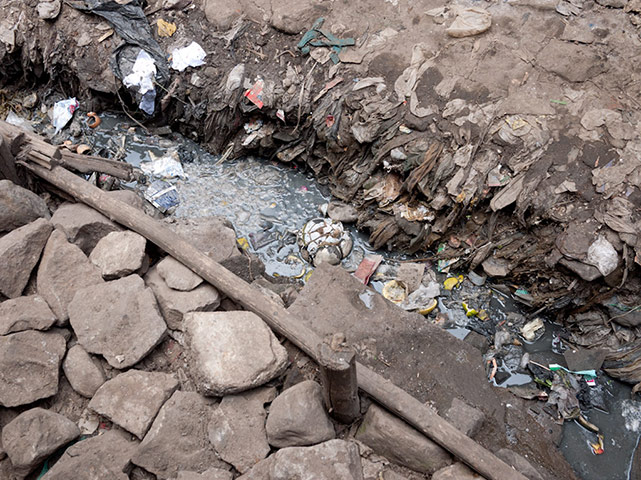
Water: Flickr group reader
Mathare, Nairobi’s oldest slum, is home to about 500,000 people. It lacks water and sanitation services, making diseases such as diarrhoea and typhoid common
Photograph: Christian Aid / Flickr
Water: Flickr group reader
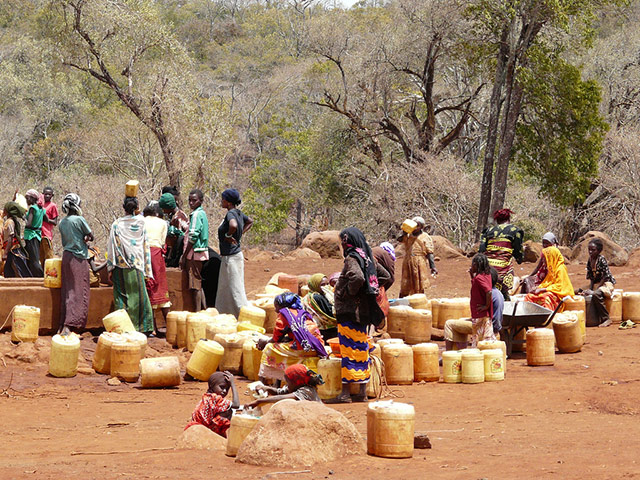
Women collect water in Dadaab refugee camp in Kenya, where 300,000 Somali refugees live, many of whom have been there for 20 years. The population relies on cattle and agriculture and has therefore been severely affected by the drought
Photograph: Pino Gonzalez/Doctors of the World UK
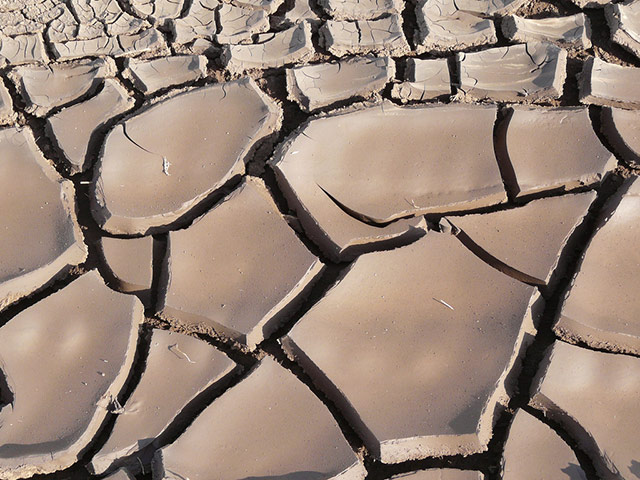
Water: Flickr group reader
Dry ground, in Dadaab refugee camp, Kenya. Meeting medical needs is a struggle because the influx of refugees has caused increased demand
Photograph: Pino Gonzalez/Doctors of the World UK
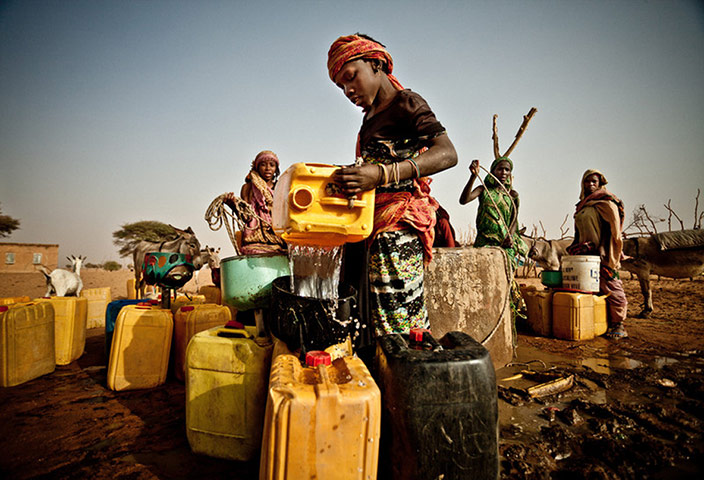
Water: Flickr group reader
Fari Awade draws water from a well in the community of Natriguel, Mauritania. A combination of low rainfall and water levels, poor harvests, lack of pasture, high food prices and a drop in remittances from migrants is pushing many areas in west Africa towards a serious food crisis. In Mauritania, Oxfam is working closely with pastoralist communities, providing cattle feed, cash transfers, refurbished wells, water and sanitation programmes, and a co-op vegetable gardens programme for 1,300 women
Photograph: Pablo Tosco/Oxfam
Water: Flickr group reader
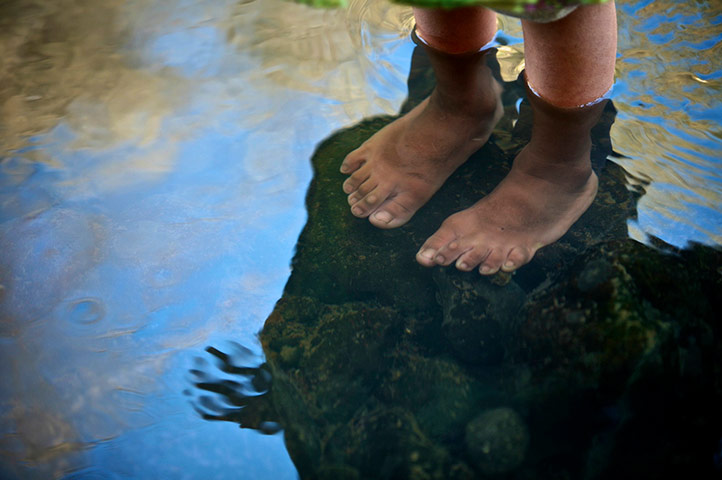
A girl stands in a river in Sipacapa, Guatemala. Independent tests show the river has been poisoned by the Canadian-owned Marlin goldmine, which has been accused of causing environmental damage and adversely affecting the local population's health
Photograph: Sean Hawkey / Flickr
Water: Flickr group reader
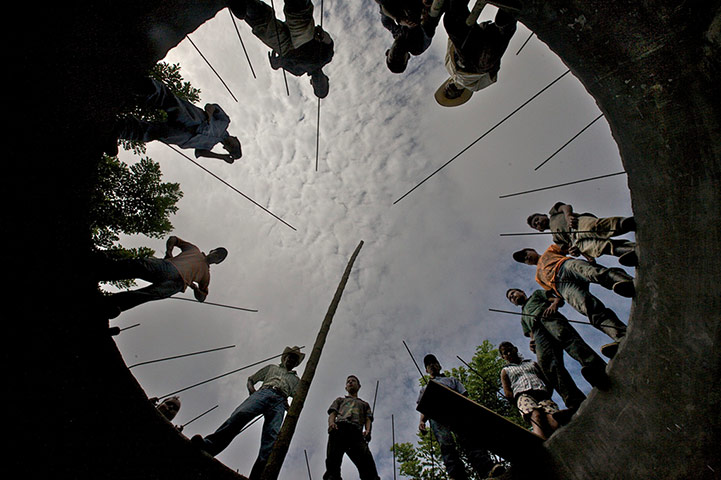
Workers stand at the edge of a water tank in Buenos Aires village, Santa Barbara, Honduras
Photograph: Sean Hawkey / Flickr
Water: Flickr group reader
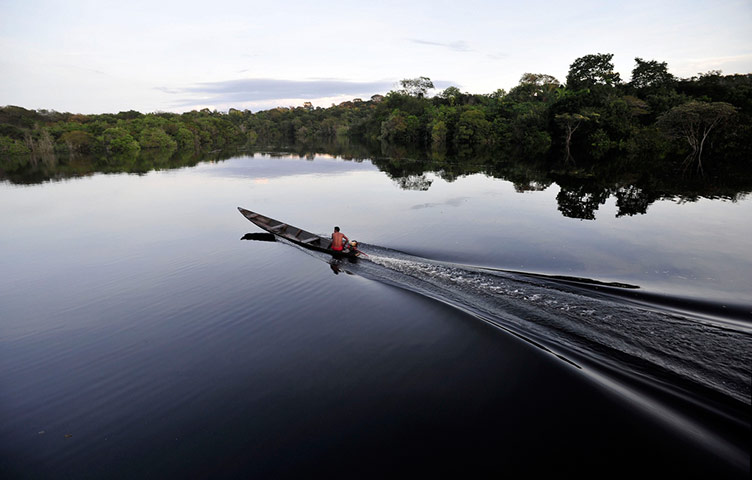
Dawn on the border of the Juma reserve in the Brazilian Amazon
Photograph: Neil Palmer/CIAT/Flickr
Water: Flickr group reader
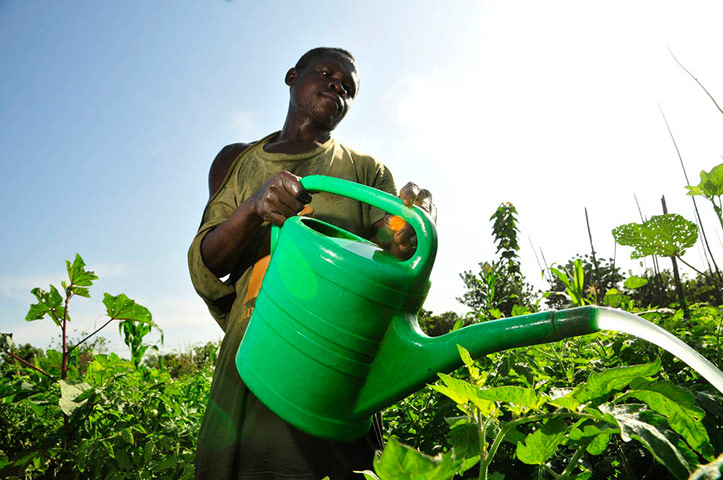
A vegetable farmer with his watering cans in Ghana's Upper West region, which has suffered failed rains and rising temperatures
Photograph: Neil Palmer/CIAT/Flickr
Water: Flickr group reader
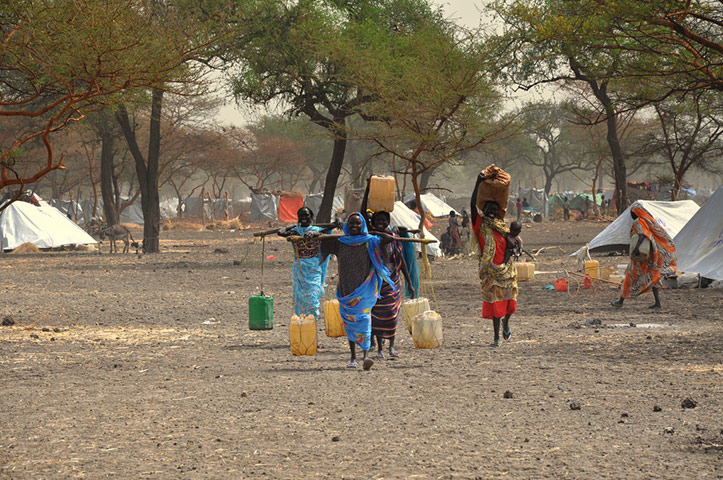
In Jamam camp, South Sudan, women spend several hours a day collecting water, often standing in baking heat. Since the start of 2012, nearly 30,000 refugees from the conflict in Sudan’s Blue Nile region have arrived in Jamam, a village in the remote Upper Nile state. Oxfam’s team in South Sudan is providing clean water, public health services, and sanitation in the new camp and its environs
Photograph: Alun McDonald/Oxfam/Flickr

Sign up to read this article
Read news from 100’s of titles, curated specifically for you.
Already a member? Sign in here
Related Stories
Top stories on inkl right now
One subscription that gives you access to news from hundreds of sites
Already a member? Sign in here
Our Picks
Fourteen days free
Download the app
One app. One membership.
100+ trusted global sources.