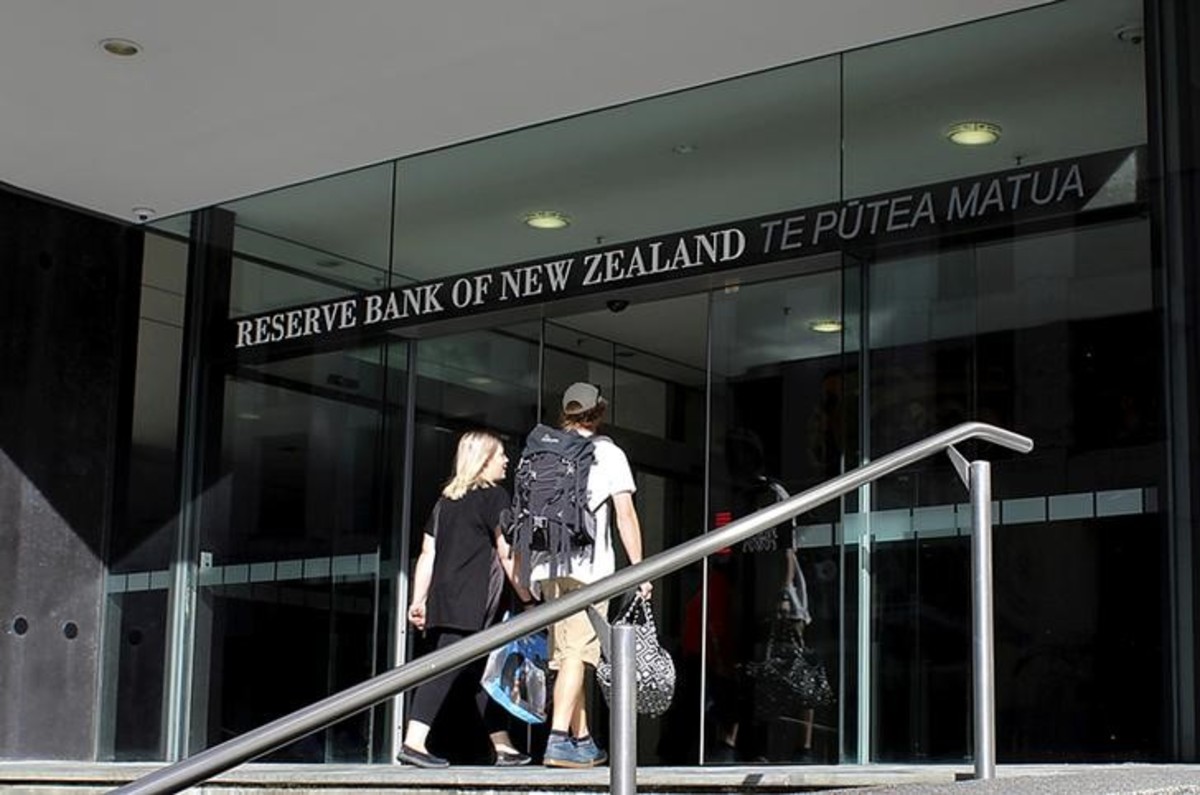
WELLINGTON (Reuters) - New Zealand's central bank said on Thursday there were "significant net benefits" in using debt-to-income (DTI) limits to cool the housing market, suggesting policy makers remain keen to defuse systemic risks from high mortgage debt.
The conclusion was reached in a consultation paper seeking feedback by Aug. 18 from stakeholders on how these macroprudential limits could curb risks associated with high debt-to-income lending.
The Reserve Bank of New Zealand has been lobbying the government for months to get permission to add DTIs to its macroprudential arsenal. But house price growth has slowed down in recent months and the central bank has said even if the tools were available, they wouldn't use them right away.
"The Bank considers that DTI limits could be a useful option in the future," the RBNZ said in an emailed statement, adding that it "would not implement a DTI policy in current market conditions."
Finance Minister Steven Joyce said the debt-to-income restrictions would represent a "significant intervention" in the housing market.
"It's important that all interested parties have their say during this consultation period," he said in an emailed statement.
New Zealand's housing market has soared more than 50 percent in value over the last decade, raising concerns that high mortgage debt could pose a systemic risk in the event of a sharp downturn in property prices.
The RBNZ already requires investors to make a 40 percent downpayment on investment properties, after ramping up loan-to-value restrictions (LVR) in 2016. The measures have helped slow the rate of house price growth in recent months, but the central bank has said any resurgence in prices could be a worry.
In March this year the International Monetary Fund echoed the policy makers' concerns around rapidly rising house prices in New Zealand, saying high levels of household debt tied up in property pose systemic risks.
New Zealand's national household debt-to-income ratio stands at 168 percent, above most other OECD member countries, according to an IMF report in May.
Recent data showed house price growth slowing in April and the house market growing at its most sluggish pace in two years in May.
The central bank said the debt-to-income restrictions would not necessarily be targeted at investors or contain specific DTI ratio levels.
"The DTI limit would be expected to be a speed limit, as with LVRs, so that banks are able to deal with borrowers that appear to be special cases," according to the consultation paper.
"The limit would apply to standard residential mortgages. This includes some loans secured by residential mortgage that fund businesses, but not some larger business loans."
(Additional Reporting by Charlotte Greenfield; Editing by Jane Wardell & Shri Navaratnam)