New Zealand's central bank has a "genuine neutral bias" amid improving domestic demand, an assistant governor told Reuters on Thursday, but is open to reviewing that position if the economic hit from the coronavirus epidemic worsened.
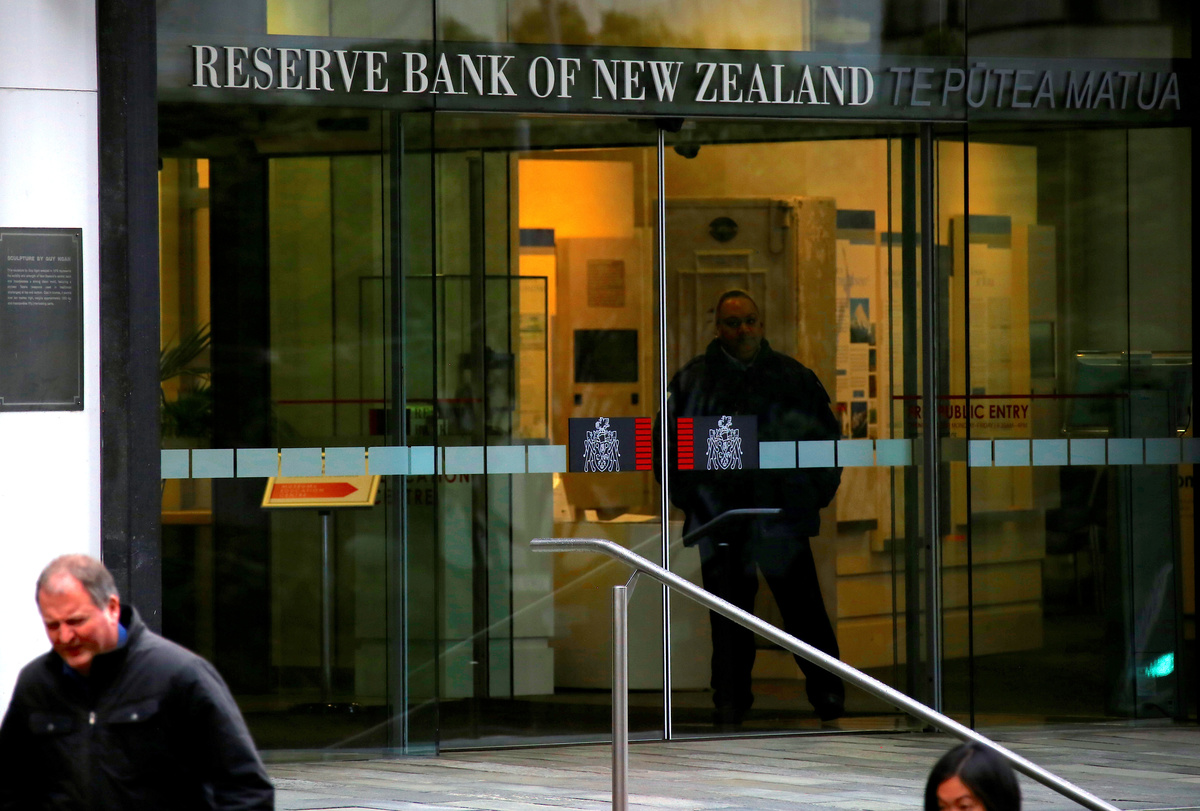
The Reserve Bank of New Zealand (RBNZ) held rates at a record low on Wednesday, but sounded more confident on the economic outlook and dropped previous references to the chance of future cuts, sending the local currency soaring.
Assistant Governor Christian Hawkesby said in an interview that last year's rate cuts were working, and rates would stay low to meet employment and inflation targets and fend off near-term risks from the coronavirus.
"I would describe us as having a genuine neutral bias, but also a real openness to review that position in light of developments," Hawkesby said when asked about how markets seemed to read the RBNZ decision as reducing the odds of another cut.
"That's why we tried to be very transparent about what assumptions we were making about coronavirus, for example, because that enables the market to understand what we have factored in and if things play out differently then our projections and our positions will evolve," he said.
Conditions that could prompt a re-assessment of the outlook include an extension in travel restrictions or a wider spreading of the virus, added Hawkesby, who is also the RBNZ's general manager of economics.
RBNZ has forecast a 0.3 percentage point hit to first quarter economic growth due to the virus.
Aside from the coronavirus risk, he said the labour market was expected to soften this year after the economy lost momentum in 2019, which maintained the need for monetary stimulus.
RBNZ said it expects economic disruptions due to coronavirus to last about six weeks from the introduction of travel restrictions on Feb. 2. That would be close to the RBNZ's next rate decision on March 25, which would allow the central bank to assess whether more policy stimulus was needed, Hawkesby said.
The RBNZ cut rates by 75 basis points last year. Governor Adrian Orr said earlier on Thursday that monetary stimulus was working, with the labour market tightening, business confidence lifting and core inflation getting closer to the RBNZ's target.
Hawkesby said monetary and fiscal stimulus promised by the government is also driving RBNZ's forecasts.
The government started the year with a NZ$12 billion ($8 billion) infrastructure spending pledge.
"That's really what lifts growth up to around that 3%," Hawkesby said.
(Reporting by Praveen Menon and John Mair; Editing by Sam Holmes)