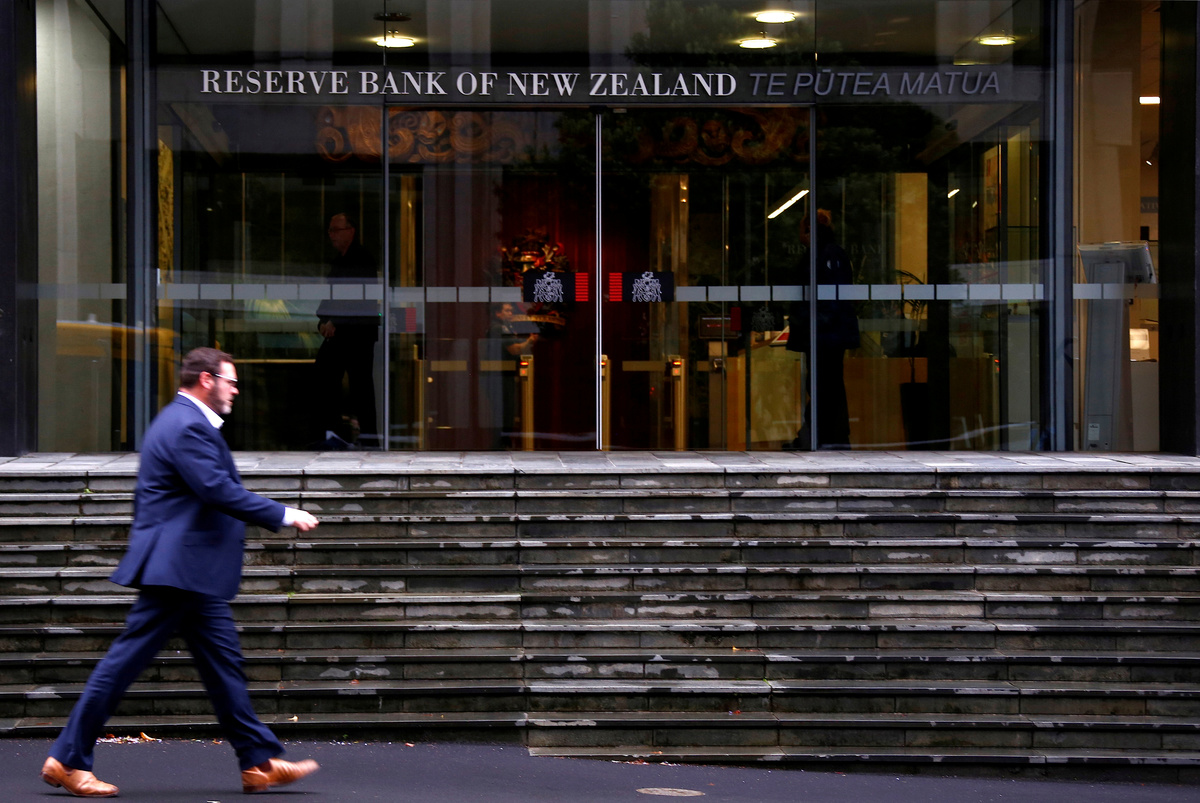
WELLINGTON (Reuters) - New Zealand's central bank said on Tuesday that its proposal to hike capital requirements for banks would only have a marginal effect on lending rates, and the impact on economy would be negligible in the long term.
The capital raising, which would take place over the next five years, may lead to higher funding costs for banks which may then increase lending rates, Reserve Bank of New Zealand (RBNZ) Deputy Governor Geoff Bascand said.
"Higher lending rates can dampen investment and lead to lower potential output," Bascand said in a speech at Victoria University in Wellington.
But he said the impact on lending rates would be marginal, amounting to little more than noise in the short term, and added it will likely be drowned out by wider economic factors.
Bascand said this could lead to a fall in long-term gross domestic product of around 0.17 percent.
"We think that’s a small price to pay for reducing the risk of a crisis, and the economic and social chaos that accompanies it," he added, as more capital at banks would make the financial system more stable.
Speaking to reporters on Friday, Bascand said if a tightening in financial conditions from such fundraising is accompanied by tepid inflation and slow employment growth, the RBNZ could eventually consider easing policy from the current record lows.
The comments sent the New Zealand dollar lower that day as traders feared it signalled lower interest rates.
The RBNZ has proposed raising the minimum percentage that must be held by all banks, a move that could require the top four lenders to raise NZ$20 billion ($13.53 billion) in new capital.
RBNZ is proposing to increase total minimum capital that banks need to hold from the current 10.5 percent to 18 percent for the top four banks and 17 percent for all other banks.
Within this proposed increase, it has suggested to increase the minimum capital requirement for ‘Tier 1’ capital – a form of higher quality capital – from 8.5 percent to 16 percent for the top four and to 15 percent for all others.
Bascand said banks in New Zealand on average already operate with approximately 12 percent of capital, so the proposed increase "not be as large as it appears on the surface".
The consultation period for this capital requirement proposal was extended last month to May 3 from March 29. Bascand said the feedback to the proposal has been mixed, with some calling it "radical".
(Reporting by Praveen Menon; Editing by Kim Coghill)