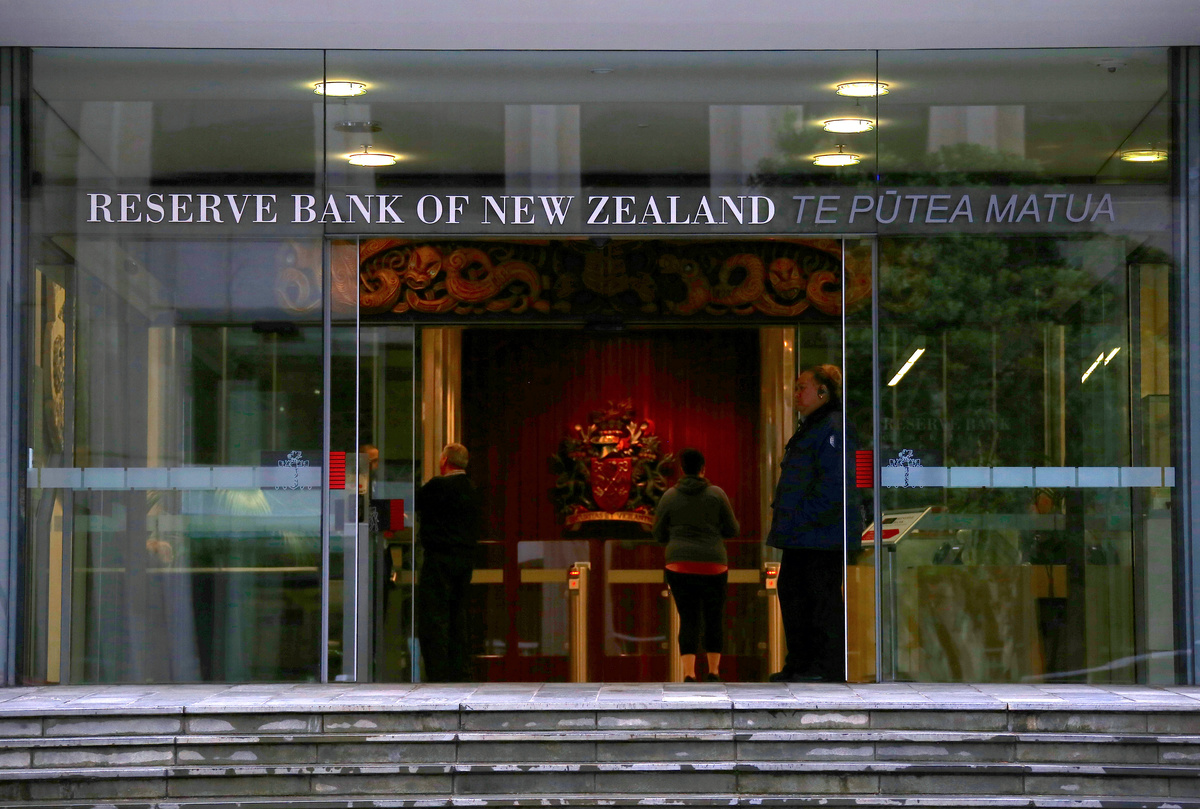
WELLINGTON (Reuters) - The Reserve Bank of New Zealand's (RBNZ) surprise decision to keep rates on hold will give time for monetary stimulus to work its way though the economy, and the bank could act in February if needed, Deputy Governor Geoff Bascand, said on Thursday.
On Wednesday, the RBNZ held rates at a record low of 1%, surprising the majority of economists polled by Reuters who had forecast a cut, sparking a sharp rally in the New Zealand dollar <NZD=>.
Senior bank officials on Thursday said the bank had already adopted a very stimulatory level of monetary policy by slashing rates by a shock 50 basis points in August before staying put in its September decision.
"We basically made a call as a committee to bide our time for now and see how that plays out," Bascand told Reuters in an interview. "We get to make another decision in February but if we need to, we can move rates there."
Relatively good employment figures, strong commodity prices and a resurgent housing market had offset easing growth at home and a softer global economy, he said.
Markets had largely priced in a cut on Wednesday due to softer inflation expectations, pessimistic business confidence and the bank's starkly dovish stance in August.
Despite the more than 1% jump in the New Zealand dollar on Wednesday, Bascand said the drop this year in the currency was providing support to the small, open trading economy.
"In a longer term sense, we are still down 2-3% on where we were a year ago. The exchange rate is a useful cushion against a deteriorating world trade outlook and helps to keep our export returns up," he said.
In addition to economic data and international conditions, Bascand said the bank would factor in its decision on lifting bank capital, due to be announced on Dec 5, into its next decision in February.
The bank has proposed doubling the top banks' capital ratio to 16% to reduce risks in case of a major financial shock. Some economists have said that could put upward pressure on lending rates, while reducing GDP growth and asset prices, and prompting a lower official cash rate.
Bascand said the RBNZ was still making a final decision on the amount and timing of the increase in capital requirements.
"We don't think the total interest rate impact of our proposals will be that extensive," he said.
(This story refiles to correct typographical errors in paras 10, 11)
(Reporting by Charlotte Greenfield and Praveen Menon. Editing by Lincoln Feast.)