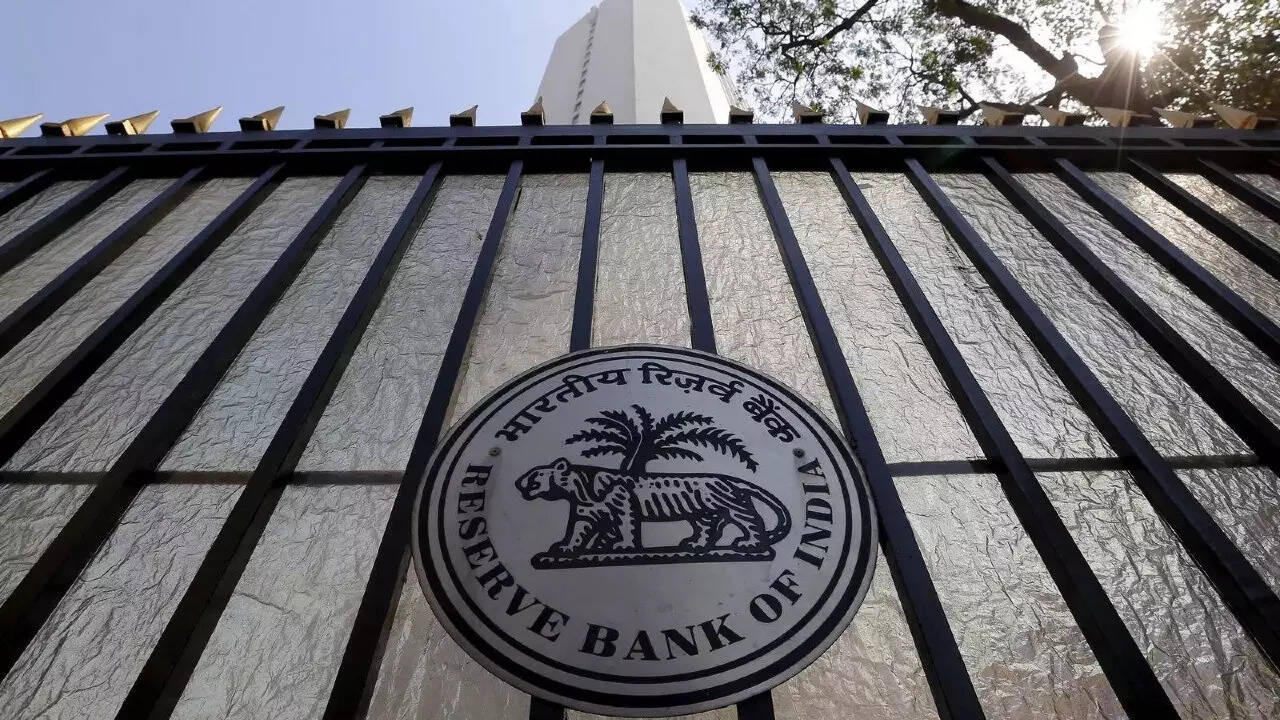
NEW DELHI: The Reserve Bank of India on Wednesday hiked the limit on the amount of recurring transactions that can be made sans additional factor authentication (such as OTP) via e-mandate to Rs 15,000 from Rs 5,000 currently.
This means auto-transactions up to Rs 15,000 will no longer require customers to authenticate such payments manually with one-time password (OTP).
The move will help customers make higher-value transactions such as education fees, insurance premium payments etc. using their debit or credit card without an additional factor of authentication like an OTP.
"The framework for processing of e-mandate based recurring payments was introduced by the Reserve Bank, keeping in mind the benefits of convenience, safety and security to the users. Under this framework, over 6.25 crore mandates have been registered in favour of a large number of domestic and over 3,400 international merchants. To further facilitate recurring payments like subscriptions, insurance premia, education fee, etc. of larger value under the framework, the limit is being enhanced from Rs 5,000 to Rs 15,000 per transaction. This will further leverage the benefits available under the framework and augment customer convenience," said RBI governor Shaktikanta Das in a statement.
"With pre-paid payment instruments and card transactions gaining traction, the RBI’s move in hiking cap on e-mandate for card recurring payments is a big one. A win-win for both: banks and customers as the proposed enhanced limit will empower customers to stay in control of their own recurring payments" said Murlidharan Srinivasan, head of payments , APMEA region, FIS.
The future transaction experience for customers will be hassle-free as recurring payments of high values up to Rs.15,000 will not need an additional factor authentications (eg. OTPs), after registration.
" Additionally, e-mandate with the increased cap for recurring payments will become a standard for making many common payments from rent to receivables, various maintenance payments and possibly embed into emerging IOT functions" added Srinivasan.