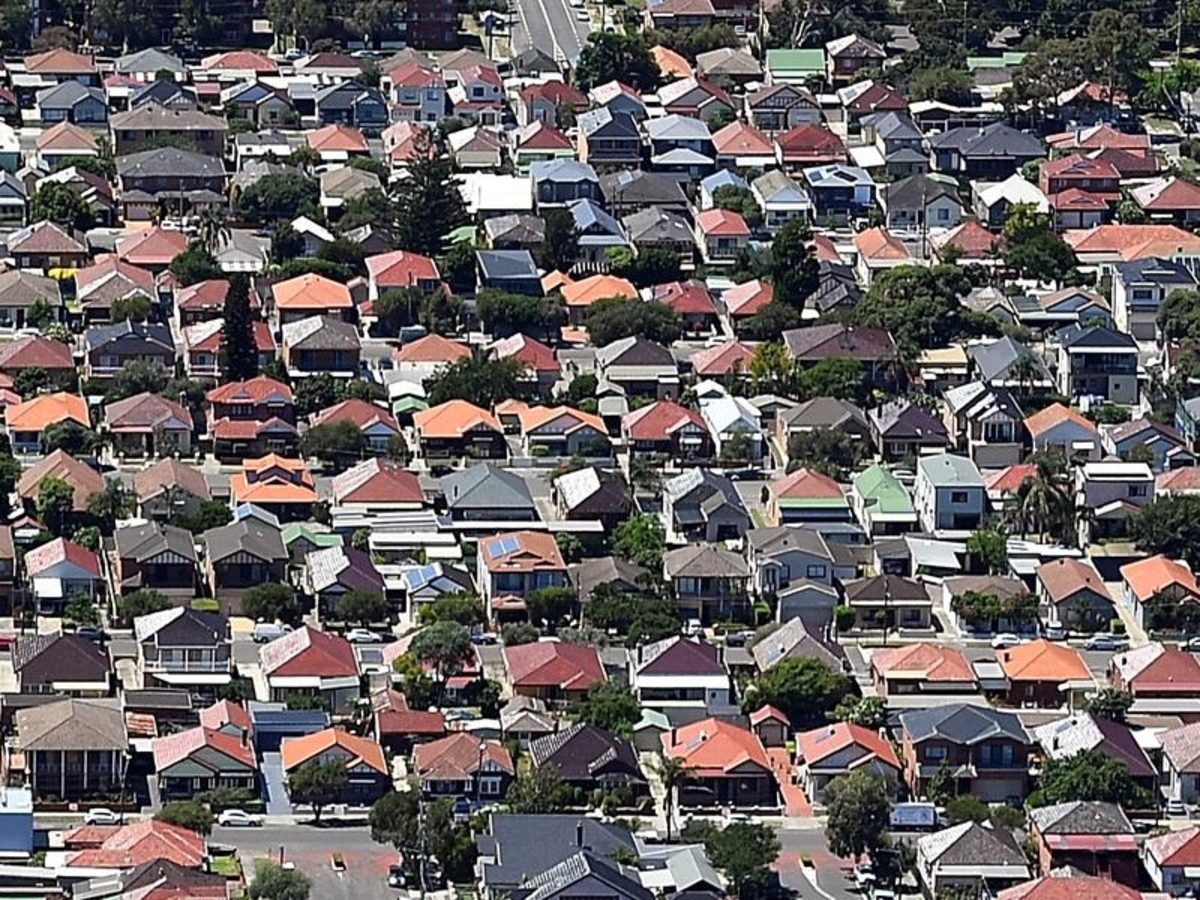
New housing loans struck a new record high in March with over half of these going to property investors.
The Australian Bureau of Statistics said new loan commitments rose by 5.5 per cent in March to a record $30.2 billion.
The value of loans to investors soared by 12.7 per cent to $7.8 billion, the largest monthly increase since July 2003.
Owner occupier home loans rose by 3.3 per cent to $22.4 billion, although demand from first home buyers declined 0.9 per cent in the month.
The data came the day after figures suggested the boom in house prices was starting to come off the boil as affordability pressures start to kick in.
The Reserve Bank and other regulators have been keeping a watchful eye on developments in the housing market, concerned that a house price bubble could see a relaxation in leading standards.
Even so, last week's subdued inflation figures ensure the RBA will not be changing its view on the interest rate outlook any time soon.
The central bank is holding its monthly board meeting on Tuesday where it is more than likely to keep the cash rate, and other key policies, at a record low 0.1 per cent.
RBA governor Philip Lowe is expected to reiterate that interest rates will not rise until inflation is back in the two to three per cent target band, an event it does not see happening until 2024.
At this stage, and with the consumer price index posting an annual rate of 1.1 per cent in the March quarter and underlying measures of inflation equally benign, it would appear Dr Lowe's prediction is on the money.
Other ABS data showed the trade balance of goods and services shrank by over $2 billion in March to $5.6 billion.
This was the result of a two per cent drop in exports, while imports rose by four per cent.
Meanwhile, confidence among Australians failed to gain the major lift that has been associated with the end of snap COVID-19 lockdowns around the country in the past.
The weekly ANZ-Roy Morgan consumer confidence index - a pointer to future household spending - rose just 0.3 per cent despite the end of Perth's latest brief lockdown.
Confidence among the people of Perth did rise 1.3 per cent, but this was a much smaller response than after its January lockdown.
ANZ head of Australian economics David Plank said this was possibly because another few cases had since emerged.
"The bad news out of India has the city and country somewhat on edge," he said.
However, among the survey's sub-indices, confidence around current financial conditions rose 2.2 per cent.
"This gain could be a result of the announcements made about the budget, such as additional funding for childcare," Mr Plank said.
Treasurer Josh Frydenberg announced a $1.7 billion childcare package at the weekend when the confidence survey was being conducted ahead of his May 11 budget.