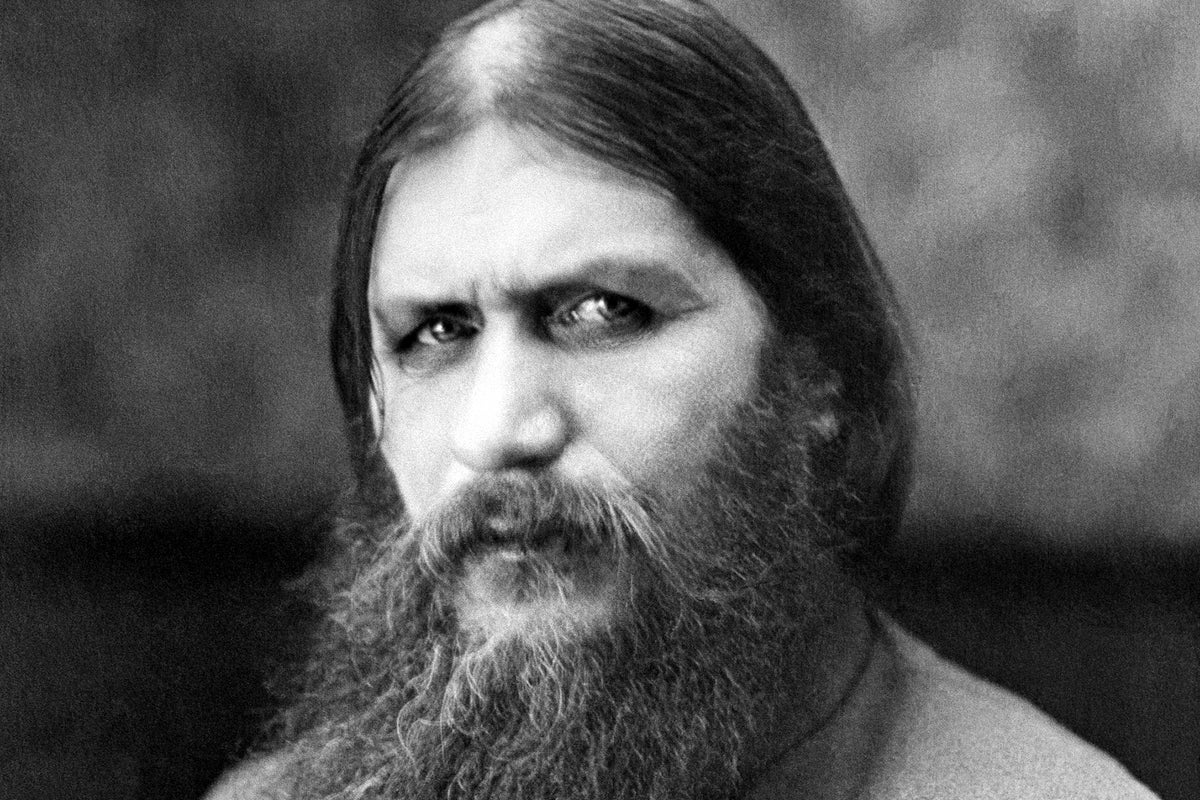
Grigory Rasputin has long occupied a peculiar corner of the historical imagination. In popular culture he appears as a kind of pantomime villain: a hypnotic monk with burning eyes, drunkenly staggering through the palaces of St Petersburg while manipulating a feeble Tsar and seducing half the Russian aristocracy. Antony Beevor’s brilliant new biography, Rasputin: And the Downfall of the Romanovs, sets out to disentangle the man from the legend.
What emerges is not only the story of one extraordinary individual, but also a deeply felt portrait of a ruling dynasty so frightened, isolated and dysfunctional that it placed its faith in a wandering Siberian mystic.
Rasputin’s story begins far from imperial splendour. He was born in 1869 in the bleak Siberian village of Pokrovskoe, a settlement on the banks of the River Tura where mud, timber houses and livestock defined the landscape. His father, Efim, was a poor but hardworking peasant who farmed, fished and occasionally drove carts along the post road linking Tobolsk and Tyumen. Nothing about Rasputin’s early life suggested he would one day become the most notorious man in Russia.
As a young man he was remembered locally as a drinker and troublemaker rather than a prophet. Yet in his late twenties something changed. Following a period of religious crisis – possibly connected with the deaths of several of his children in infancy – Rasputin underwent what he described as a spiritual awakening. He abandoned ordinary village life and set off across Russia as a wandering pilgrim, or strannik. These itinerant holy men roamed the empire’s roads in search of divine revelation, living off charity while visiting monasteries and holy sites.
During these years, Rasputin developed the peculiar theology that would define his later notoriety. He believed that sin and redemption were inseparable: one had to experience temptation before achieving true repentance. Unsurprisingly, this doctrine proved remarkably convenient when dealing with female admirers.
What Rasputin undeniably possessed was charisma. Numerous witnesses described the unsettling effect of his presence. His pale face, long hair and penetrating eyes gave him an almost hypnotic quality. One aristocratic observer later admitted that she felt simultaneously “attracted, repelled, disquieted and reassured” in his company. It was this curious magnetism that eventually carried him from Siberia to the centre of imperial power.
His arrival in St Petersburg occurred at a moment of deep vulnerability within the Romanov family. Tsar Nicholas II, though personally charming, was catastrophically unsuited to rule. Timid, indecisive and stubborn in equal measure, he possessed neither the temperament nor the imagination required to govern a vast and increasingly unstable empire.
His wife Alexandra was even more problematic. Intensely shy and fiercely religious, she disliked the glittering society of the Russian capital and withdrew increasingly into the private world of the imperial family. Her overwhelming anxiety centred on her only son, the Tsarevich Alexei, who suffered from haemophilia. The slightest injury could cause life-threatening internal bleeding.
Into this atmosphere of dread stepped Rasputin. On one early occasion the young Alexei suffered a painful haemorrhage after injuring his leg. Court doctors were helpless. Alexandra summoned Rasputin, who prayed beside the child’s bed. By the following morning the swelling had subsided and the fever had vanished.
For the Empress this was nothing less than miraculous. Rasputin had saved her son. Doctors later suggested that Rasputin’s calm presence may simply have relaxed the boy, lowering his blood pressure and slowing the bleeding. But Alexandra had already reached a different conclusion: Rasputin was God’s instrument on earth.
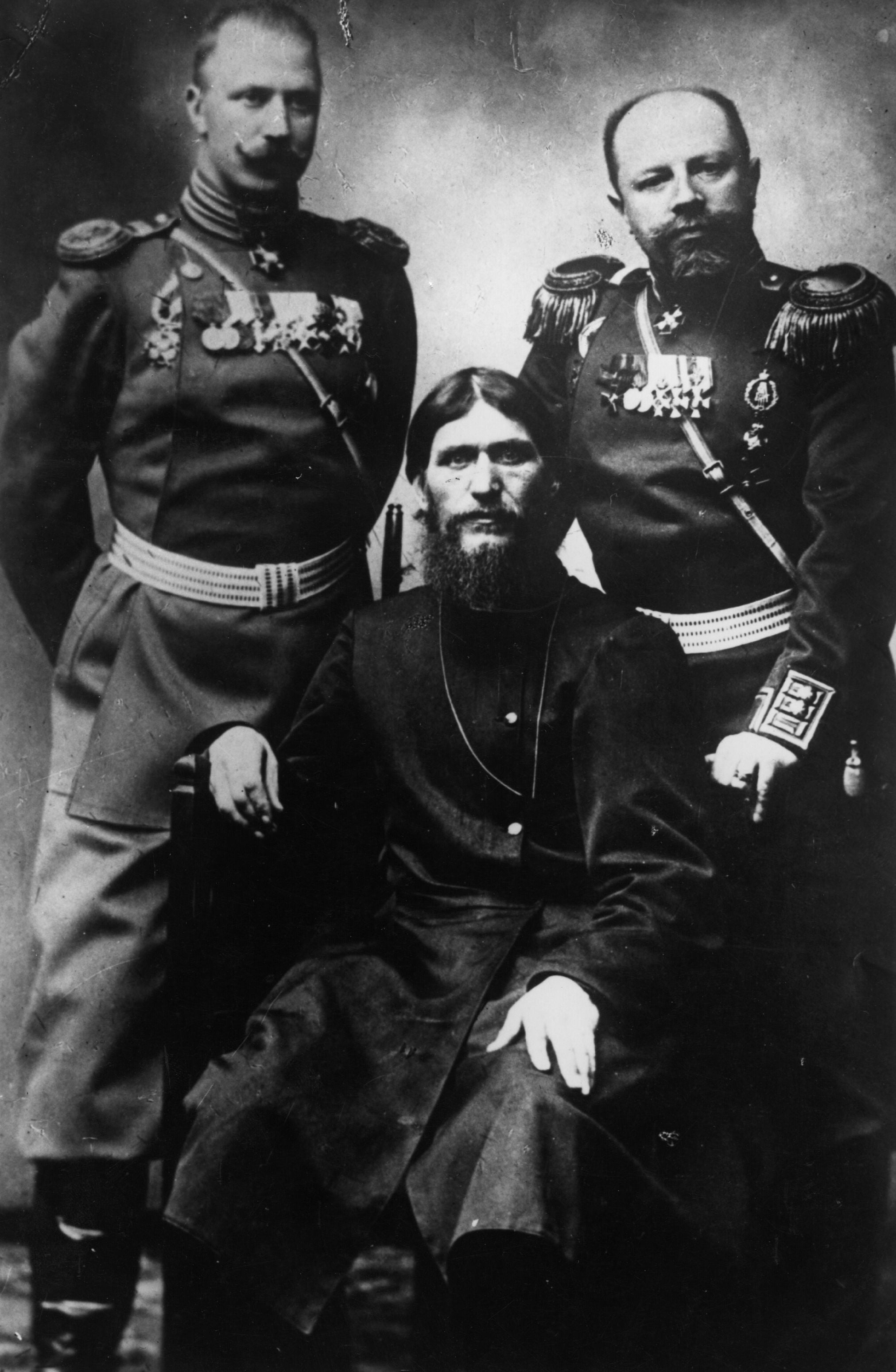
The most dramatic episode came in 1912 during a hunting trip to Spała in Poland. Alexei suffered a catastrophic internal haemorrhage. His fever rose, he drifted in and out of consciousness, and the imperial family prepared for the worst. Rasputin, contacted by telegram, replied with a message insisting that the boy would live and advising doctors not to interfere excessively. Soon afterwards the bleeding stopped. From that moment Rasputin’s authority at court became absolute. Alexandra’s faith in him, one palace official observed, would “never weaken”.
Beevor approaches this familiar story with the instincts of both a military historian and a detective of archives. He builds his account from a rich mix of memoirs, eyewitness testimony and the recollections of ministers, courtiers and investigators who later tried to unravel the Rasputin phenomenon.
The book does not overturn the broad outline of Rasputin’s life, which has been well documented for decades, but Beevor does sharpen several conclusions. He shows convincingly that Rasputin’s actual political influence has often been exaggerated, while the rumours about him – the gossip about debauchery, corruption and treason – proved far more politically destructive than anything he actually did. In other words, Rasputin’s real power lay not in the decisions he made but in the scandal his presence created.
The consequences were extraordinary. Rasputin – an ill-educated peasant from Siberia – now had regular access to the imperial family. Petitioners queued outside his apartment. Society ladies sought his blessing. Politicians attempted to win his favour. His advice, sometimes delivered through the Empress herself, began to influence ministerial appointments.
Rasputin did little to discourage the growing mythology around him. Indeed, he often encouraged it. On one occasion he boasted of making aristocratic women strip naked and wash him in a bathhouse as an act of spiritual humility. Whether this actually happened is less important than the fact that such stories spread like wildfire.
By the First World War Rasputin had become the most hated man in Russia. The political atmosphere in Petrograd was poisonous. Government ministers came and went with bewildering speed. Newspapers mocked the situation as “ministerial leapfrog”: within 15 months Russia cycled through four prime ministers, three foreign ministers and five interior ministers.
Rasputin was widely blamed for these changes. In reality, Beevor shows, the picture was more complicated. Alexandra herself drove many appointments, judging officials largely by whether they were loyal to Rasputin. Individuals were classified simply as “Ours” or “Not Ours”.
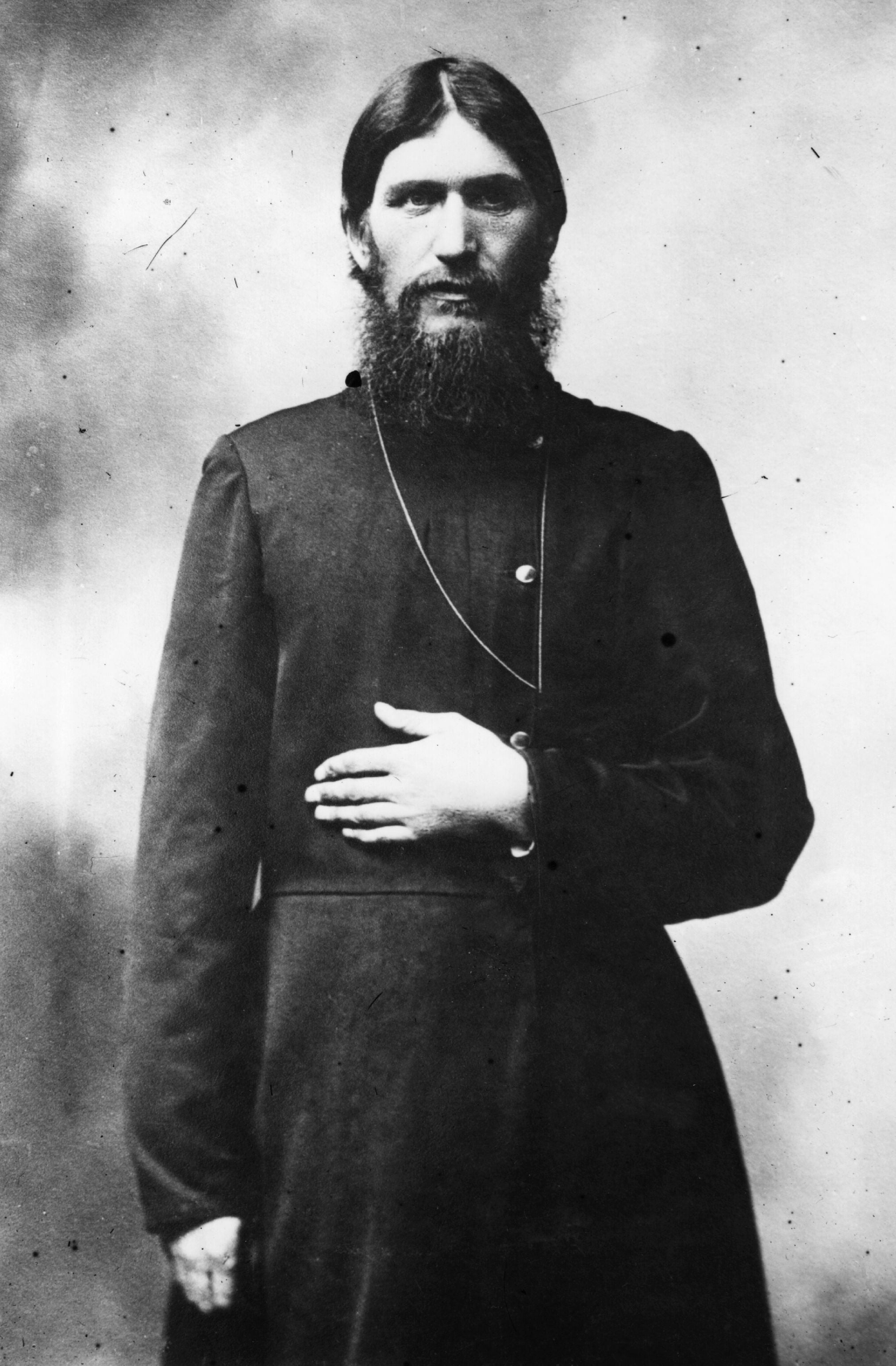
But perception mattered more than reality. The belief that a debauched mystic was running the Russian government fatally undermined confidence in the monarchy. Eventually members of the aristocracy decided Rasputin had to die.
The conspirators included two of the most glamorous men in Russia: Prince Felix Yusupov, heir to an immense fortune, and Grand Duke Dmitry Pavlovich, the Tsar’s cousin. Their plan was simple: murder Rasputin and thereby save the Romanov dynasty.
The killing itself has passed into legend. Rasputin was lured to Yusupov’s palace on the Moika Canal late one December night in 1916. According to the famous – and probably exaggerated – account, he was first fed cakes laced with cyanide. When the poison failed to work, Yusupov shot him. Rasputin staggered to his feet and attempted to escape into the snowy courtyard, where he was shot again before finally being thrown into the freezing Neva.
If the conspirators believed they had saved Russia, they were badly mistaken. Rasputin’s death changed nothing. Within three months the Romanov dynasty collapsed in the February Revolution. A year later Nicholas II, Alexandra and their children were murdered by the Bolsheviks.
Beevor’s central argument is that Rasputin was less the cause of the Romanov collapse than its most visible symptom. The empire was already rotting from within – weakened by military disaster, administrative incompetence and social unrest. Rasputin simply embodied the decay.
In that sense, the real story is not Rasputin himself but the frightened and dysfunctional court that embraced him. Alexandra’s desperate faith in the peasant mystic revealed the extent to which the Romanov regime had lost confidence in its own institutions.
Beevor’s biography is at its brilliant best when exploring these contradictions. Rasputin emerges neither as the demonic puppet-master of legend nor as an innocent holy man. Instead he appears as something far more interesting: a deeply flawed human being whose charisma, opportunism and mysticism collided with a collapsing political system.
The result is a fantastic, vivid portrait not only of Rasputin but of the twilight of imperial Russia. And if the story sometimes reads like dark political farce – a drunken peasant advising an empress while ministers tumble from office – that is because, as Beevor demonstrates so convincingly, it very nearly was.
The sad truth about Richard Osman and the Christmas books that will sell (and those that won’t)
Stop hating on boys – a new generation is taking back control of the manosphere
Doomsayers warn about a post-lit society – here’s why they are wrong
13 of the best new books to read this March, fiction and non-fiction