BOGOTA, Colombia _ Hugo Cuellar was walking home from the wake of a murdered colleague with his young daughters last weekend when he was approached by two men on a motorcycle. Without saying a word, they shot the 50-year-old community leader in the stomach and fled.
Although the bullet ripped through Cuellar's pancreas and large intestine, he was one of the lucky ones: He lived.
Over the course of four days, at least five community leaders have been murdered and attempts have been made on the lives of at least three more, according to Colombia's nonprofit Permanent Committee for the Defense of Human Rights. Since January, 70 leaders have been targeted and murdered, the group said.
None of the cases has been resolved, but many fear the victims are part of a larger struggle over a peace deal with the country's largest guerrilla group, the Revolutionary Armed Forces of Colombia, or FARC.
The victims have mostly been rural organizers, land rights advocates and people who have campaigned in favor of the peace deal. In the public's perception, they're associated with the left and attacking them is an attack on the viability of peace accords that hope to end the nation's half-century of conflict, said Sen. Ivan Cepeda, a vocal advocate for the deal.
"The argument that we have right now is with the extreme right in this country that wants to keep peace from happening," he said, during a protest in front of the attorney generals' office. "They want to keep the (peace) deal from being approved and implemented."
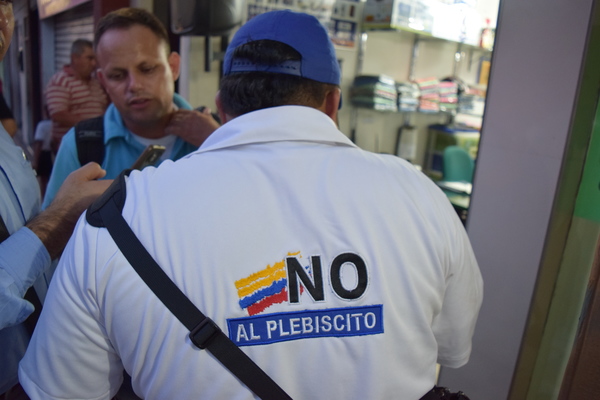
Critics of the agreement fear it's too lenient on guerrilla commanders and puts the nation at risk by giving them a path to political power.
Marcha Patriotica, a leftist political movement loosely aligned with the FARC, says 124 of its members have been killed since 2011 and that not a single case has been resolved.
President Juan Manuel Santos Tuesday ordered stepped-up protection for community leaders and called the attacks against them "dramatic evidence" of the risks of not "implementing the peace deal."
But the spike in violence comes as a peace deal seems imminent. A revised accord will be presented to congress on Wednesday and is expected to be signed by Santos and FARC leaders this week.
Under the deal, guerrilla commanders accused of serious crimes can avoid jail time if they confess, provide reparations to their victims and complete five to eight years of "effective restriction of freedom," which entails being confined to geographic areas about the size of a neighborhood or small village. They'll also be able to run for office while they're serving those sentences.
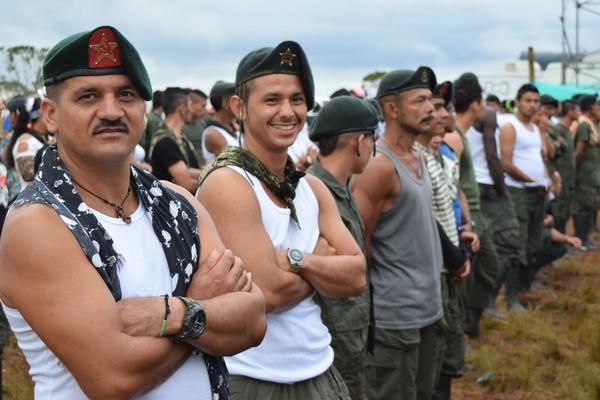
The administration sees those concessions as the price for bringing the 52-year-old guerrilla group into the civilian fold. And Santos was awarded the Nobel Peace Prize in October for his efforts.
Even so, the initial accord _ hammered out during almost four years in Havana _ was narrowly defeated by voters on Oct. 2. And while the government has been in intense negotiations to make changes to the initial proposal in an effort to appease the deal's critics, not everyone's happy with the new pact.
Late Monday, opponents accused the administration of end-running voters by trying to ram the deal through congress without some of the key modifications they had been proposing.
"The agreement between the government and the FARC has barely been retouched from the version that was rejected by (voters)," said former President Alvaro Uribe, one of the most powerful critics of the deal.
For many in Colombian politics, the recent spate of killings seem depressingly familiar. In the 1980s and 1990s, anywhere from 1,000 to 3,500 members of the Union Patriotica party were assassinated.
That political group drew followers from across the left, but its primary purpose was to give the FARC, which had signed a ceasefire at the time, a vehicle to participate in politics. In the succeeding years, however, UP members were indiscriminately murdered, including presidential candidate Jaime Pardo in 1987. The cease-fire collapsed, the FARC resumed fighting, and most of those murders were eventually pinned on right-wing paramilitary groups.
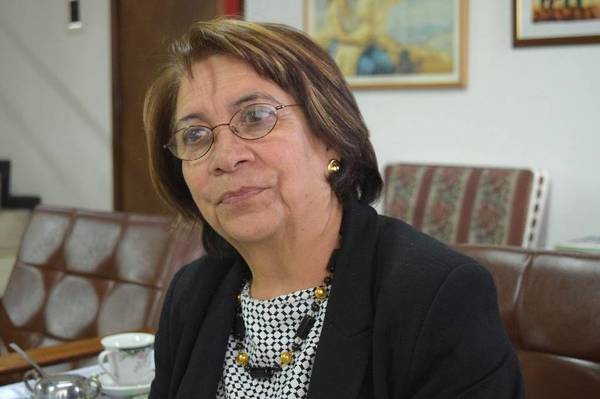
Aida Avella, the president of Union Patriotica, had to flee the country in 1996 after her motorcade was attacked with a rocket launcher. But she recently returned to Colombia.
"I had to bury hundreds of my colleagues back then, and last week I felt like I was back in the 1980s and 1990s," she said. "Every day we've been getting news about people being killed, disappeared, shot at. I feel like history is repeating itself."
The FARC have acknowledged that they're worried about being murdered once they re-enter civilian life, and the peace accord has provisions for their security. In a communique this week, the group called the spate of killings part of a larger "genocide against social leaders and farmers."
While threats and murder attempts have been widespread, the epicenter of the recent violence has been San Vicente del Caguan, in central Colombia.
The area was once a guerrilla stronghold but has also seen the presence of criminal gangs that arose from the ashes of paramilitary groups that began demobilizing in 2003. In San Vicente, those groups now go by such names as "Aguilas Negras" and "Autodefensas Gaitanistas."
On Nov. 18, the body of Erley Monroy, a member of the local farmers association and Marcha Patriotica, was found near an army barrack. That same day, Didier Losada Barreto, another rural leader, was murdered in his house.
Then, on Nov. 19, as Hugo Cuellar was walking home from Monroy's wake with his 6- and 14-year-old daughters, he was shot by two men on a motorcycle, said his sister, Irma Cuellar.
"They followed him all the way home on the motorcycle and then shot him," she said. "And then they pointed at the girls but the gun didn't go off."
"Everybody here is terrified," she added, "because nobody knows who did this."
Avella and others say there are clear indications that these are politically motivated murders. Somos Defensores, a nonprofit that monitors violence against community leaders, says 24 percent of all recent cases of aggression have clear ties to "paramilitary" groups.
However, the mayor of San Vicente del Caguan, Humberto Sanchez, insists there's no connection between the murders in his community and no proof that politically motivated groups are operating in the area.
"I don't know why people would make that up," he told El Tiempo newspaper about the paramilitary speculation. "In San Vicente de Caguan, there are no paramilitary groups."
He said Monroy was likely killed by disgruntled neighbors.
However, Avella, the Union Patriotica president, said the intentions of the murders are clear.
"What they're trying to do is derail the peace process," she said. "And we can't let them do that."