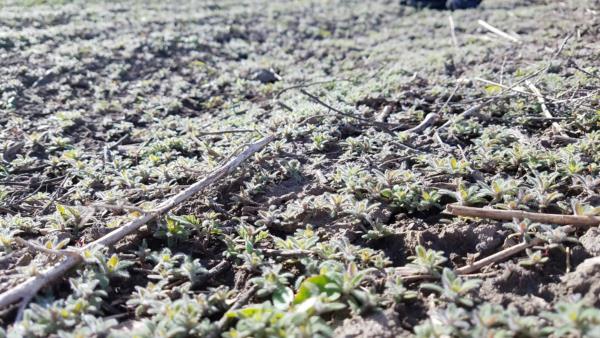
Crop-killing weeds are spreading across farmland in the United States, posing a significant threat to agricultural productivity. This alarming phenomenon can be attributed to the declining effectiveness of agricultural chemicals that were once used to control weed growth. As these chemicals lose their potency, farmers are faced with a major challenge in maintaining the health and yield of their crops.
Weeds have long been a nuisance for farmers, competing with crops for resources such as sunlight, water, and nutrients. In the past, herbicides proved to be an effective solution for weed control. However, over time, many weed species have developed resistance to these chemicals, rendering them less and less effective.
One particularly troublesome weed is Palmer amaranth, also known as pigweed. This aggressive weed has spread rapidly across the southeastern and midwestern states, infesting millions of acres of farmland. Once a field is contaminated with Palmer amaranth, it can be extremely difficult to eradicate. The weed grows at a remarkable rate, producing thousands of seeds that can survive in the soil for years, leading to persistent infestations.
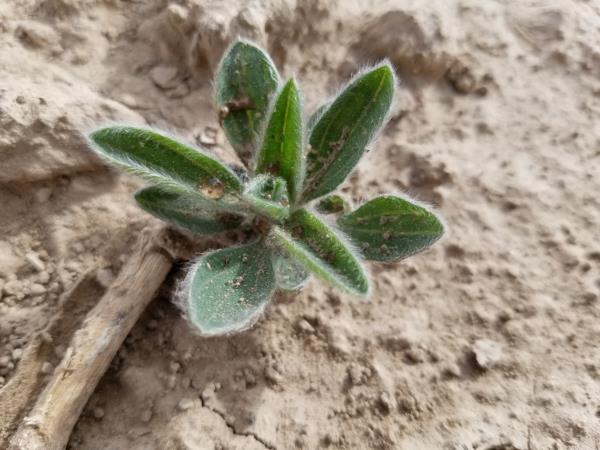
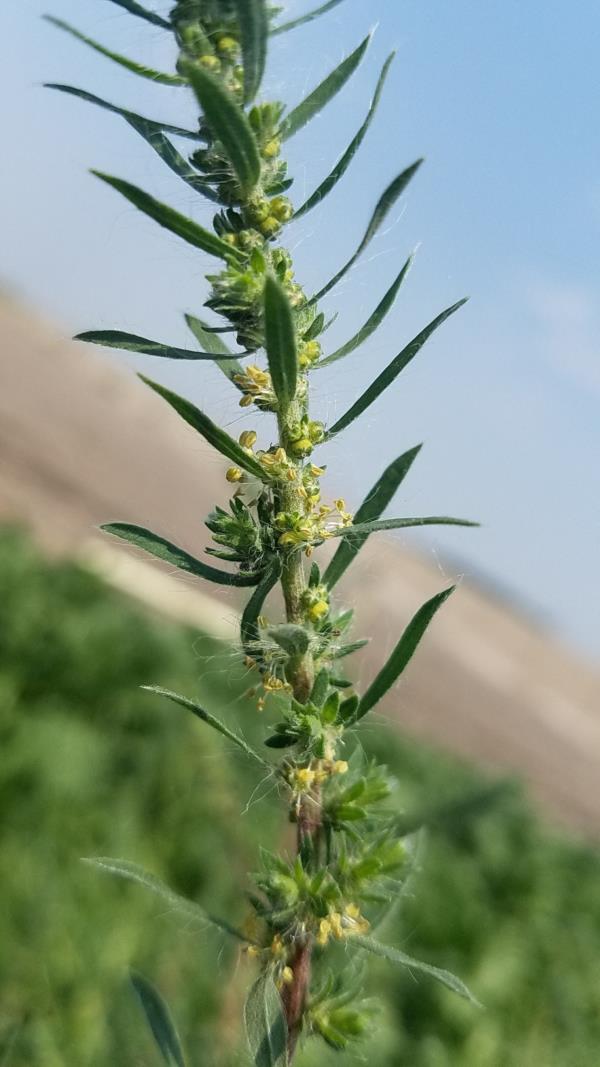
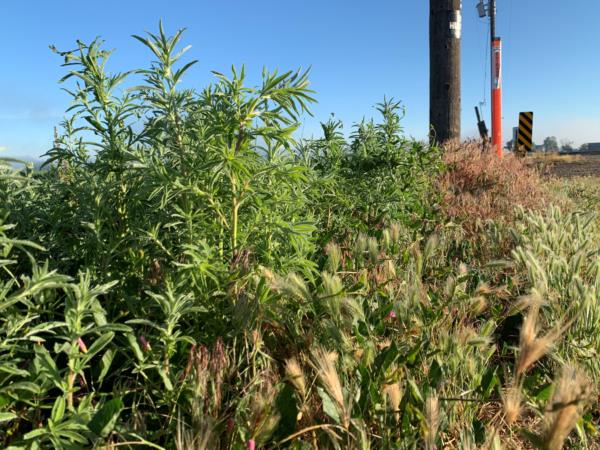
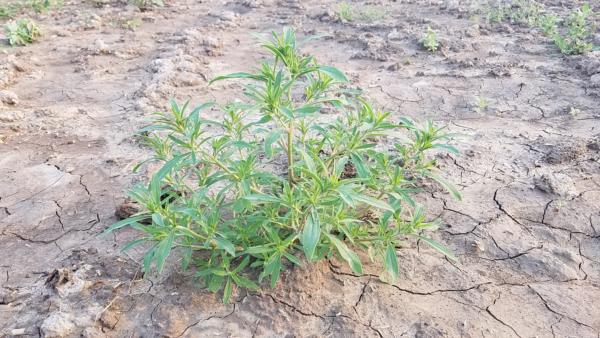
The emergence of herbicide-resistant weeds is a result of overreliance on a few select chemicals for weed control. Farmers have used these chemicals extensively, increasing the selection pressure on the weed populations and driving the evolution of resistant traits. In some cases, weeds have even developed resistance to multiple herbicides, making it even more challenging to control their growth.
To combat this issue, experts stress the importance of adopting an integrated approach to weed management. This involves implementing a combination of cultural, mechanical, and chemical strategies to prevent and control weed growth. Crop rotation, tillage practices, and the use of cover crops can help disrupt the weed life cycles, reducing their overall populations.
In addition, the use of alternative herbicides and the development of new weed control technologies are crucial for staying ahead of resistant weeds. Researchers and agricultural companies are working diligently to discover and develop novel herbicides that can effectively target these problematic weed species. Genetic engineering and the introduction of herbicide-resistant crop varieties are also being pursued to provide farmers with more options for weed control.
However, while new solutions are being explored, it is vital for farmers to prioritize proactive weed management strategies. This includes monitoring fields regularly, identifying and removing weeds before they have a chance to reproduce and spread. Timely and targeted herbicide applications can still be effective, but it is essential to rotate chemicals and properly manage their usage to limit the development of resistance.
The spread of crop-killing weeds across US farmland serves as a wake-up call to the agricultural industry. It highlights the importance of sustainable weed management practices and the need to reduce reliance on a single method for weed control. By adopting integrated approaches and embracing innovation, farmers can better protect their crops and preserve long-term productivity in the face of weed resistance.