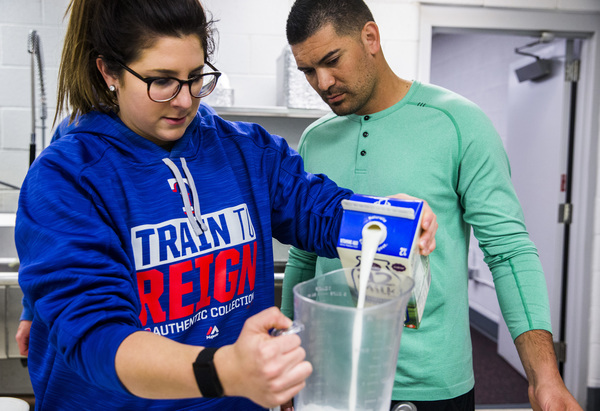
SURPRISE, Ariz. _ We take you now to a moist, crisp spot at the very front of the Rangers battle to create a competitive edge on the field.
It is called: "The produce aisle."
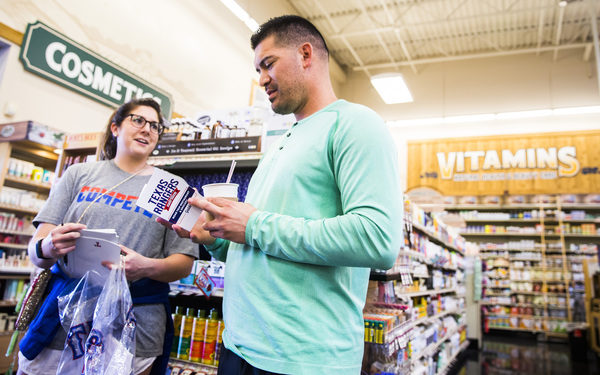
That is not a euphemism. It is an actual produce aisle of a local grocery store, piled high with heads of cauliflower, bunches of broccoli and spears of asparagus. In the midst of this vegetable cornucopia Stephanie Fernandes, wearing a Rangers' "Train to Reign" hoodie, is discussing with a handful of players, mostly from the minor leagues, optimal leafy-green intake to boost workout recovery. A few moments later, she will do a dissertation on juices and a virtual power point on pasta.
The shopping trip is just one step in the Rangers' attempt to optimize nutrition to enhance performance. Just as teams have taken a deeper interest in analyzing statistics, teams are diving into sports science for an edge. Many clubs, the Rangers included, have conducted studies on fatigue and maximizing the benefits of "efficient" sleeping.
The Rangers, however, may be on the leading edge when it comes to emphasizing nutrition education.
"We are trying to maximize player performance through good nutrition," said Director of Operations Matt Vinnola, who, along with Fernandes, built the nutrition program from the ground up. "It may be something hard to get measurable on it, but we are trying to improve nutrition and recovery so that maybe we can reduce DL days and increase performance."
"Maybe a guy gets 30 starts instead of 27, maybe he gets 500 plate appearances instead of 450. We won't say we have it all figured out, but we are trying to create something."
The Rangers hired Fernandes at the start of 2016 and made her what is believed to be the first full-time nutritionist on the staff of a major league team. The rest of baseball wasn't far behind. In the most recent round of collective bargaining negotiations, MLB and the Players Association agreed clubs must at least retain a dietitian on a consulting basis to help with meal plans. For Vinnola, that only reaffirmed the Rangers were onto something.
The Rangers' plan seems to go deeper though. It isn't just about what's available in the clubhouse after the game for them. They are trying to change the culture of nutrition for the entire organization from the minor leagues up.
On this trip, Fernandes will answer questions about how to achieve the best protein-to-sugar ratio when buying cereal. She will encourage players to throw healthy snacks in the cart for a sampling later on, though maybe the cookies-and-cream granola wasn't exactly what she had in mind.
She will shove nutritional guides into the hands of players, which include a grocery-buying guide and hints for healthier options at some eateries in Surprise and places they are liable to encounter on the road in the minors.
"Chipotle," says relieved Class A catcher Chuck Moorman, "now that's what I'm talking about."
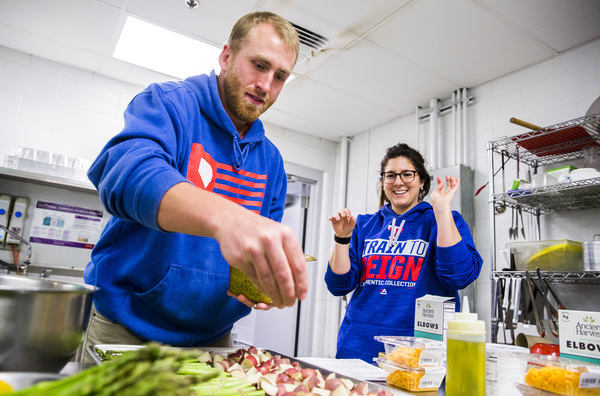
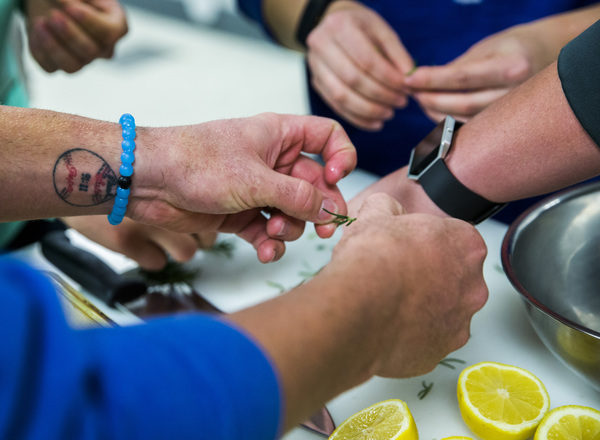
And she will hand out recipes for the dinner they are about to cook: Simple garlic chicken with rosemary roasted potatoes and asparagus (because the players kind of flinched at brussels sprouts). They will also make a healthier version of macaroni and cheese, using Greek yogurt instead of heavy cream.
Eddie Gamboa, a 32-year-old grown man unafraid to face major league hitters with a 65-mph gimmick pitch called the knuckleball, hesitantly takes the recipe sheet, looks at and sheepishly says:
"This looks like a foreign language to me," the 10-year minor league veteran says. "The only thing I ever made in the minors was cereal."
Fernandes tosses a clove of garlic into the shopping cart.
"Boom," she says with understated exuberance. "You got this."
.jpg?w=600)