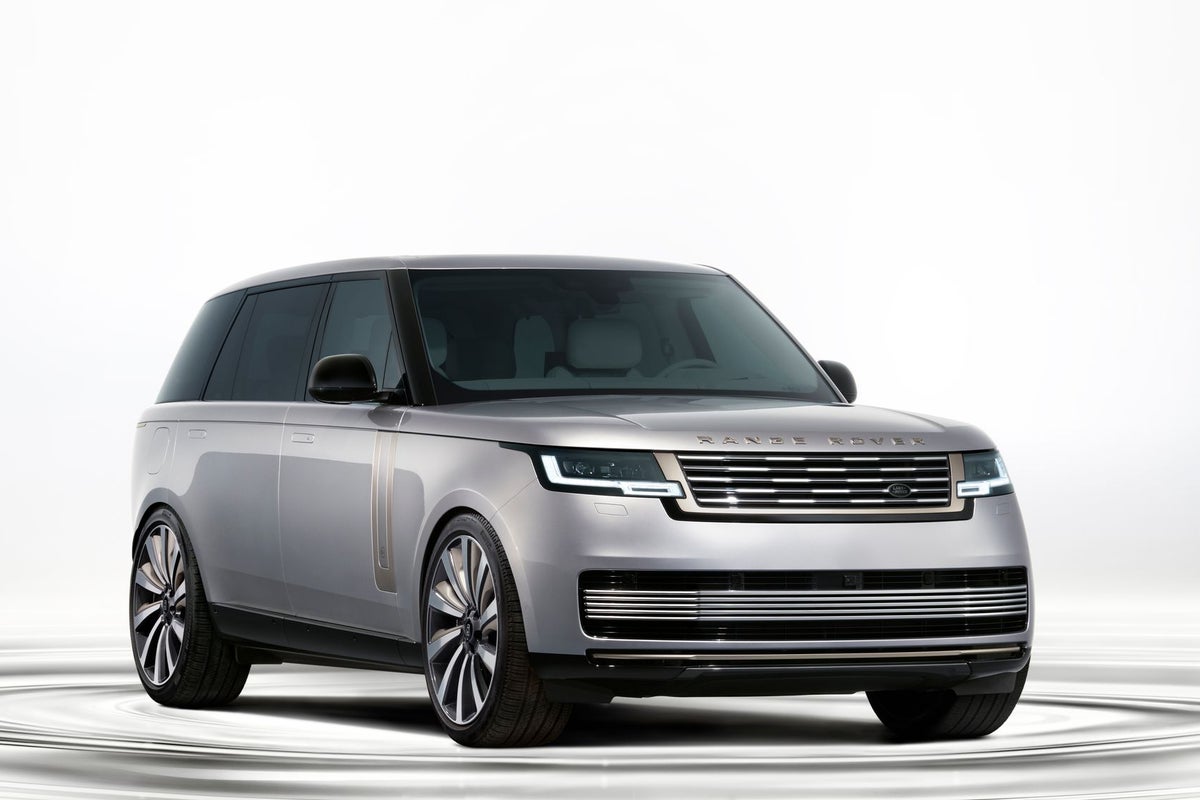
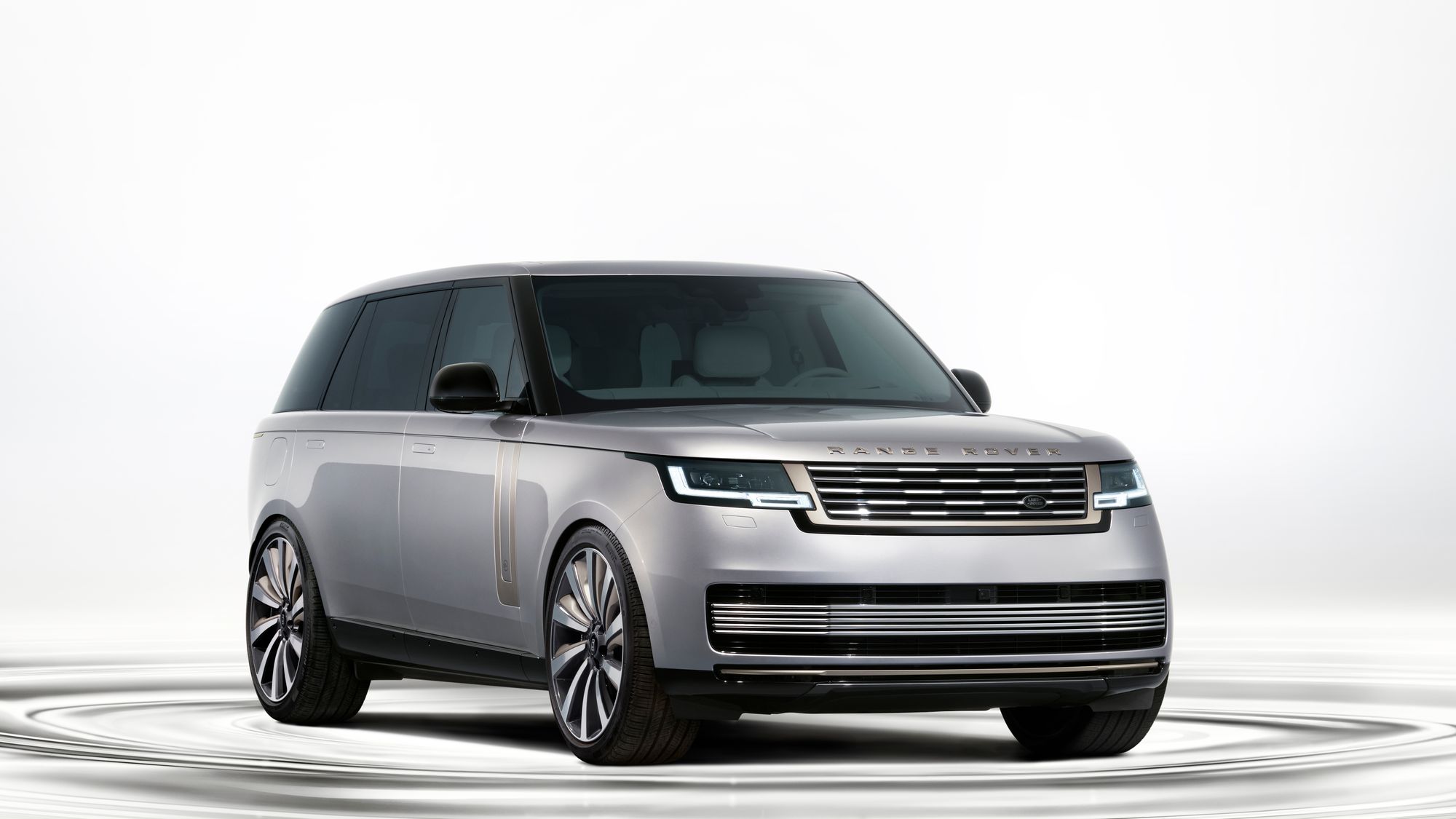
Range Rover has just pulled the covers off what might be its most attention-grabbing model yet – and it’s not the paint, the price or even the badge that steals the show.
The new SV Ultra is built around a world-first in-car audio system that promises to turn every journey into something closer to a live performance, using technology that’s never been fitted to a production car before. It’s all part of a wider push to redefine what luxury feels like in a Range Rover, with electrified power and invitation-only buying process while a fully electric version waits in the wings.
This is a car that’s been designed as much around sound as it has around style or performance. At its heart is a brand-new audio system developed with UK firm Warwick Acoustics, making its debut here before filtering down elsewhere. And it’s not just another ‘premium’ stereo with a fancy badge on the speaker grilles – this is a completely different way of producing sound inside a car.
Instead of traditional speakers that rely on cones, magnets and voice coils, the system uses ultra-thin electrostatic panels. These are just a millimetre thick and work by moving a charged membrane between two plates to create sound across their entire surface. The result is a cleaner, more natural reproduction of music that mirrors how we hear sound in real life – I’ve listened to it and it’s a giant leap for in-car audio.
In simple terms, rather than lots of separate speakers trying to stitch sound together from different parts of the cabin, each panel delivers a wide range of frequencies from a single point. That means everything arrives at your ears at the same time, which helps preserve the detail and timing of the original recording. It’s also incredibly quick to respond – far faster than conventional systems – which should make music sound sharper and more lifelike.
Range Rover has gone all-in on the idea, fitting 21 of these electrostatic panels around the cabin. They’re tucked into headrests, seatbacks and even the roof lining, creating what the company describes as a “concert hall” effect. The idea is that every seat gets its own personal listening space, rather than just blasting sound from the front doors.
Because the panels are so thin and light, designers have been able to put them pretty much anywhere. That opens up the possibility of sound coming from above and around you, rather than just from the usual speaker locations. Warwick Acoustics says this creates a much bigger sense of space, with sound seemingly coming from far beyond the cabin, rather than right next to your ears.
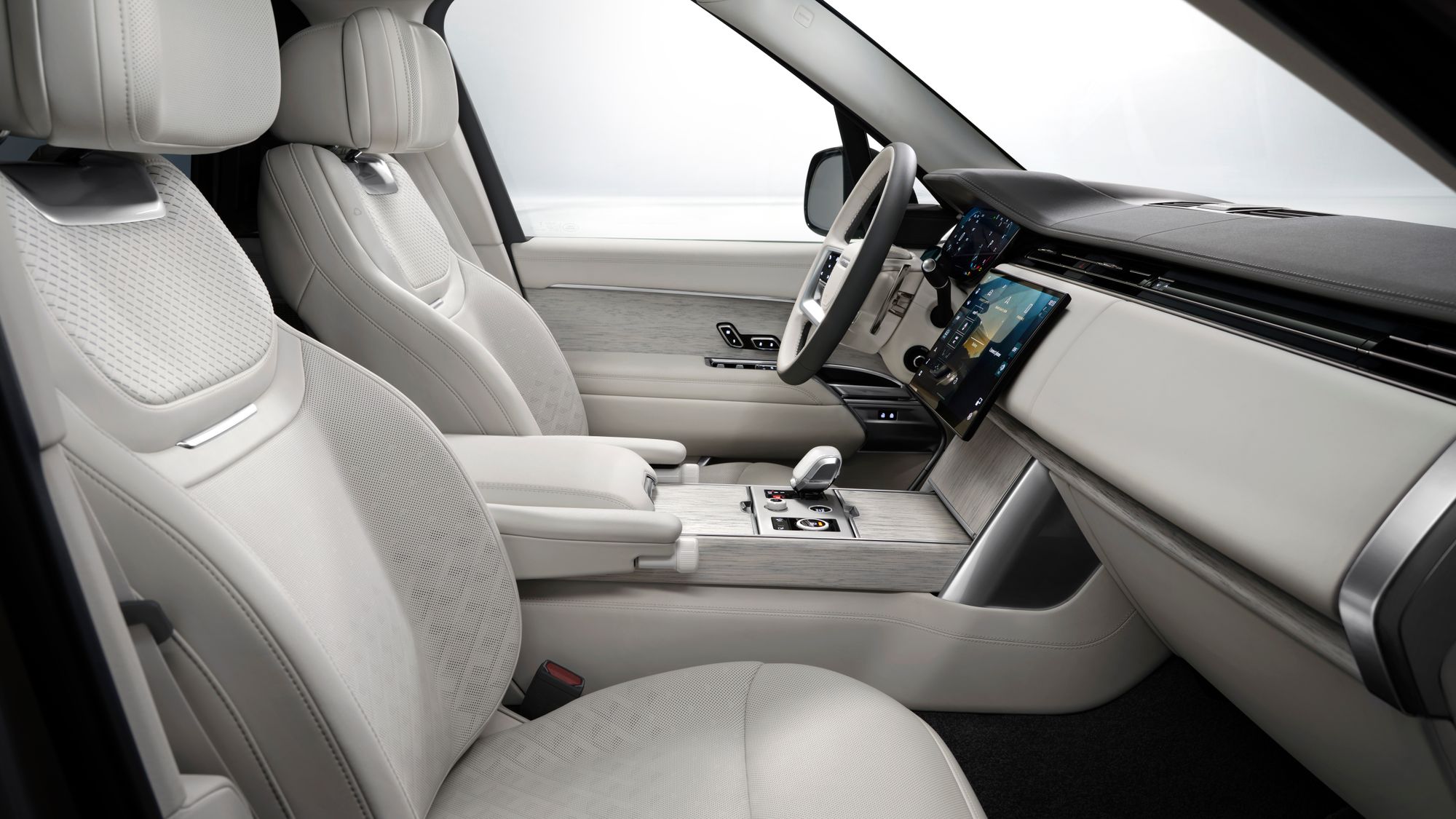
There’s more to the Range Rover SV Ultra than just listening, though. The audio system works alongside Range Rover’s Body and Soul Seats and something called the Sensory Floor. Between them, they add vibrations through the seats and even the floor, so you don’t just hear the music – you feel it too. The seats use software to analyse whatever you’re playing and convert it into subtle pulses, while transducers under the floor mats extend that effect further through the cabin.
It’s all tied into a series of wellness programmes, with modes designed to help you relax or focus. Whether that actually turns your commute into a spa session remains to be seen, but it’s a clear sign of how far in-car entertainment has moved on.
Beyond the headline-grabbing audio, the SV Ultra sticks to what Range Rover does best. The exterior gets a new Titan Silver finish that uses real aluminium flakes to give it a liquid-metal look, while subtle chrome and satin details lift the overall feel. Big, 23-inch wheels complete the picture.
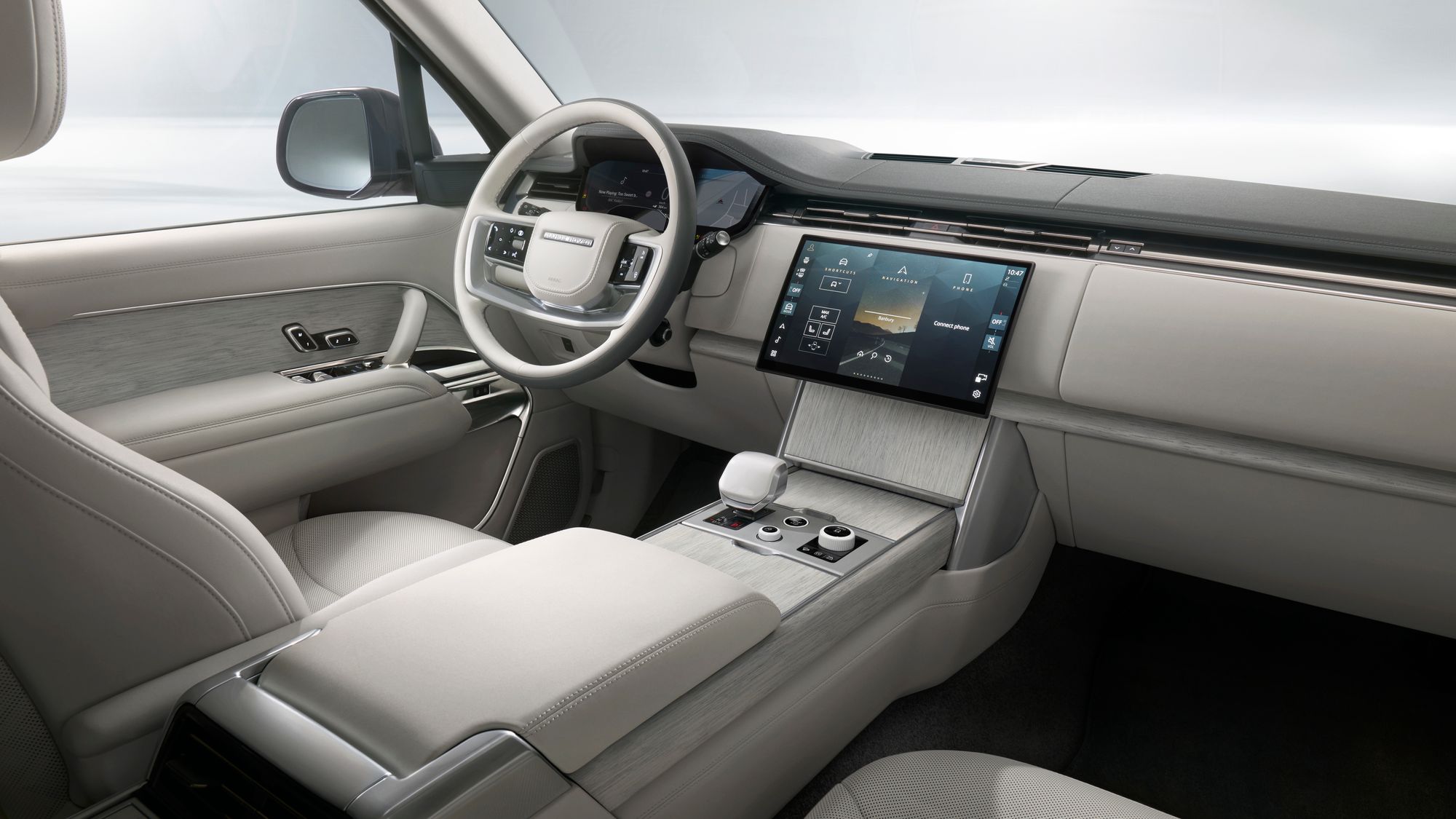
Inside, it’s all about calming, carefully chosen materials. There’s a new two-tone theme with colours called Orchid White and Cinder Grey, plus a leather-free option using material from Ultrafabrics. The seats feature a laser-cut pattern, while a new rattan palm veneer runs across the cabin, adding a bit of texture without shouting about it. It’s all very restrained, but that’s the point.
Under the skin, the SV Ultra will be offered with a choice of powertrains, including a P550e plug-in hybrid with an electric range of around 69 miles and JLR’s P540 V8 engine. The plug-in option is likely to be the one most buyers focus on, blending electric driving capability with the long-range reassurance that still matters in a car like this.
And then there’s the fully electric version, which is still to come. Range Rover says it’s on the way later this year, although it’s already been a long time coming. Having driven an early version last year, it’s clear the brand is taking its time to get things right.
If you’re wondering how much the SV Ultra will cost, you’ll have to wait – but don’t expect it to be cheap, probably in the region of £200,000. What we do know is that it’ll be offered by invitation only, aimed squarely at Range Rover’s most loyal and well-heeled clients.
That makes it less about outright sales numbers and more about showcasing what the brand can do. And on the evidence here, that now includes turning your car into something that feels a lot like a high-end listening room on wheels.
I’ve been in Volkswagen’s new electric Polo, here are the full details
Jaecoo 7 is selling fast – but should you really buy one?
Should you choose a plug-in hybrid or a fully electric car? Here’s my expert view
Jaecoo 7 is selling fast – but should you really buy one? Here’s my view as an EV expert
The Freelander is back – and I’ve had a look around
Inside the motor show where AI, robots and fierce competition are redefining cars
Chinese newcomer Lepas reveals the L4 EV heading for the UK – and I’ve been in it