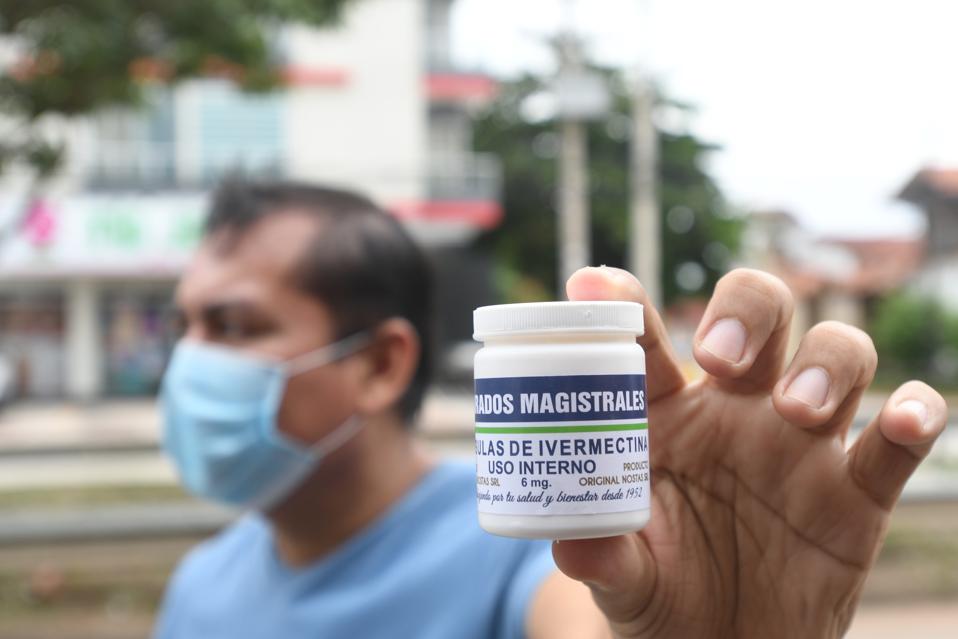
Soon after a June 2020 laboratory-based Australian study showed that the anti-parasitic drug can block replication of the coronavirus in a laboratory setting, sales of ivermectin went through the roof. In Brazil alone, 12 million packages of ivermectin were sold in early months of the pandemic, all in efforts to treat Covid-19 infections. This was at a time where no treatment was fully understood nor developed, vaccines were in the nascent stages of investigation, and the world was seeing hospitals overrun and morgues filling trucks where hospitals had no place to hold the deceased. In parts of Brazil, over 90% of Covid-19 patients in intensive care units had taken ivermectin as their first-line therapy.
Results from a double-blind, prospective, randomized placebo-controlled clinical trial of the impact of ivermectin therapy in the early stages of Covid-19 infections compared to placebo therapy was published in this week’s New England Journal of Medicine. This type of study is of the highest level of significance when it comes to a research endeavor. “Double-blind” means that neither the researchers nor the participants know which intervention they are receiving. “Prospective” means it’s looking forward, and is being carried out in real-time, as opposed to “retrospective,” where a study reviews events that have already occurred. “Randomized” simply means that study participants are randomly assigned to either treatment; they cannot pick which to receive, nor can the investigators assign given treatments to the participants. “Placebo-controlled” means that some receive the active medication, and others receive an inactive, or inert, medication, commonly referred to as a “sugar pill.”
The study group included adult patients from 12 cities throughout Brazil, where ivermectin has been widely embraced and utilized since the early months of the pandemic. Inclusion criteria in the study required that a patient be over age 18 years, has had an active, symptomatic Covid-19 infection for seven days or less, and has at least one risk factor for severe infection, such as diabetes, high blood pressure, immunosuppression, cancer in the prior six months, obesity, or age over 50. The trial was carried out between March and August 2021, and those who had received one or more vaccines against Covid-19 were able to participate as well.
In the group of patients who presented with acute Covid-19 infections, 679 were randomly assigned to receive ivermectin for three days, and 679 were randomly assigned to receive placebo for three days. They then looked at how many patients in these groups required treatment in either an emergency department or hospital.
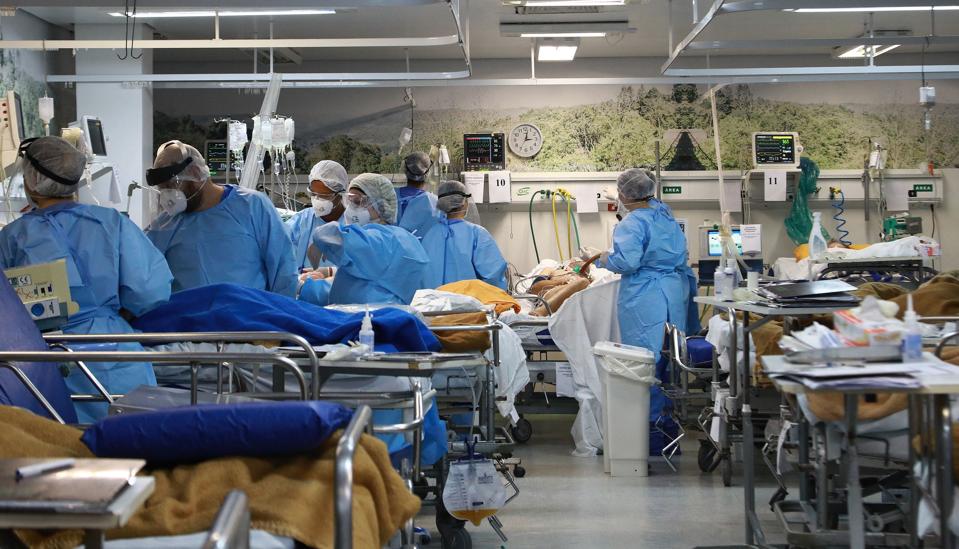
Of the patients in the group who received ivermectin, 100 (15%) required emergency room or hospital care. Of the patients who received the placebo, 111 (16%) required emergency room or hospital care. The authors concluded that “the administration of ivermectin did not result in a lower incidence of medical admission to a hospital or prolonged emergency department observation for Covid-19 among outpatients at high risk for serious illness.”
Clinical trials aside, ivermectin has been a source of social media hype, political polarization, and one of the defining lines between “vaxxers” and “anti-vaxxers.” It has been touted as a life-saver by some, and a sham medicine meant to be used in the world of farm animals, not humans, by others. William C. Campbell and Satoshi Omura shared the 2015 Nobel Prize in Medicine and Physiology for their work on the anti-parasitic drug ivermectin. Now when we hear that drug’s name, political leanings, Joe Rogan, and other social media battles come to mind. It is, indeed, an incredible medication when used appropriately. This current trial provides more evidence that when used to treat Covid-19, it does nothing.