Understanding the Unique Challenges of North Carolina's Climate and How Preventative Care Protects Your Investment
When you own or manage commercial property in Raleigh, North Carolina, your building's roof represents one of your most significant investments – and one of your most vulnerable assets. While it's easy to adopt an "out of sight, out of mind" approach to commercial roofing, this reactive mindset can cost Raleigh businesses thousands of dollars in avoidable repairs and operational disruptions.
According to The Flat Roof Specialists, Raleigh's #1 commercial roofing company, North Carolina's unique climate creates specific challenges for flat roofing systems—making regular maintenance essential, not just recommended, for protecting your property and bottom line.
The Hidden Costs of Neglected Commercial Roofs in Raleigh
Many business owners don't realize the true cost of deferred roofing maintenance until they're facing an emergency situation. A small leak that could have been repaired for a few hundred dollars can quickly escalate into tens of thousands in damage when it compromises insulation, creates mold issues, damages inventory, or disrupts business operations.
Consider the typical progression: a minor membrane separation allows water infiltration during a spring thunderstorm. That water seeps into insulation, reducing its effectiveness and increasing energy costs. Over time, moisture creates ideal conditions for mold growth, potentially triggering health concerns and liability issues. Interior ceiling damage becomes visible, requiring costly repairs to both the roof system and interior finishes. Meanwhile, your business may need to relocate operations or close sections of your facility during repairs.
What started as a $500 repair has now become a $15,000 problem – or worse.
North Carolina's Climate: A Perfect Storm for Roofing Challenges
Raleigh's climate presents a unique combination of conditions that put commercial roofing systems under constant stress throughout the year:
Summer Heat and UV Exposure: With temperatures regularly exceeding 90 degrees from June through September, Raleigh's intense summer sun beats down on commercial roofs for months. This prolonged UV exposure and thermal stress can cause roofing membranes to become brittle, crack, or separate at seams. Dark roofing materials absorb significant heat, creating thermal cycling that expands and contracts roofing materials daily.
Severe Thunderstorms and Heavy Rain: North Carolina averages over 40 inches of rainfall annually, with summer bringing intense thunderstorms that can dump several inches of rain in short periods. These heavy downpours test drainage systems and can quickly identify any weak points in your roofing membrane. Poor drainage leads to ponding water, which accelerates membrane deterioration and creates additional weight stress on roof structures.
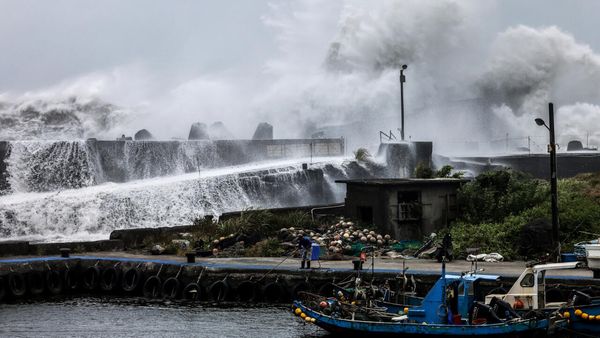
Hurricane Season Threats: From June through November, Raleigh faces potential impacts from Atlantic hurricanes and tropical storms. Even when major storms don't make direct hits, the remnants can bring high winds and torrential rainfall that expose any existing vulnerabilities in commercial roofing systems. Wind-driven rain can penetrate even small openings, and flying debris can puncture or damage roofing membranes.
Winter Freeze-Thaw Cycles: While Raleigh doesn't experience harsh northern winters, the region does face freeze-thaw cycles that create their own challenges. Water that has penetrated even minor cracks or seam separations can freeze overnight, expand, and worsen the damage. These cycles repeat throughout winter, turning small issues into major problems.
High Humidity: North Carolina's humidity levels remain elevated year-round, creating conditions where any moisture that penetrates roofing systems has difficulty drying out. This persistent moisture accelerates deterioration of roofing materials and creates ideal conditions for mold and mildew growth.
What Comprehensive Commercial Roofing Maintenance Includes
Effective commercial roofing maintenance goes far beyond a quick visual inspection from the ground. Professional maintenance programs should include:
Detailed Membrane Inspections: Trained technicians thoroughly examine all roofing membrane surfaces, looking for signs of cracking, blistering, punctures, or separation. They check seam integrity throughout the system, as seam failure represents one of the most common sources of commercial roof leaks.
Drainage System Evaluation: Proper drainage is critical for flat commercial roofs. Maintenance inspections evaluate all drains, scuppers, and gutters to ensure they're clear of debris and functioning properly. Technicians identify areas of ponding water – standing water that remains on the roof more than 48 hours after rainfall – which indicates drainage problems that need correction.
Flashing and Penetration Assessment: Roof penetrations – including HVAC units, vents, pipes, and skylights – represent vulnerable points where water can enter. Maintenance inspections carefully examine all flashing around these penetrations, looking for signs of separation, cracking, or deterioration that could allow water infiltration.
Fastener and Attachment Review: For mechanically attached roofing systems, technicians inspect fasteners and plates to ensure they remain secure and aren't creating vulnerable points. Loose or corroded fasteners can allow membrane uplift during high winds.
Interior Inspections: Professional maintenance doesn't stop at the roof surface. Technicians should also inspect interior ceiling areas below the roof for signs of water staining, moisture, or damage that might indicate hidden leaks not yet visible from above.
Detailed Documentation: Quality maintenance programs include photographic documentation of roof conditions and detailed reports that track the roof's condition over time. This documentation proves invaluable for warranty purposes, insurance claims, and long-term capital planning.
The Economics of Preventative Maintenance
The financial case for regular commercial roofing maintenance is compelling. Studies consistently show that proactive maintenance extends roof life by 50% or more compared to reactive repair approaches.
Consider a commercial roof with an expected 20-year lifespan without maintenance. With a professional maintenance program, that same roof can easily provide 30+ years of reliable service. For a roof replacement that might cost $150,000, the additional 10 years of service life represents $15,000 per year in delayed replacement costs – far more than the typical annual maintenance investment of $1,000-$2,000.
Beyond extending roof life, maintenance delivers other financial benefits:
Reduced Energy Costs: Well-maintained roofing systems with intact insulation perform more efficiently, reducing heating and cooling costs. A compromised roof can increase energy consumption by 20-30%.
Lower Insurance Premiums: Some insurance providers offer reduced premiums for commercial properties with documented maintenance programs, recognizing the reduced risk of claims.
Preserved Property Value: Commercial properties with documented roofing maintenance command higher values and are more attractive to potential buyers or tenants.
Avoided Business Disruption: Emergency roof repairs often require closing sections of facilities or relocating operations. Preventative maintenance helps avoid these costly disruptions.
Extended Warranty Coverage: Many roofing manufacturer warranties require documented regular maintenance. Neglecting maintenance can void warranty coverage, leaving property owners fully responsible for repair costs.
Seasonal Maintenance Considerations for Raleigh Commercial Properties
Different seasons bring different priorities for commercial roofing maintenance in Raleigh:
Spring Maintenance Focus: After winter, spring inspections should assess any damage from freeze-thaw cycles, check for debris accumulation, and prepare drainage systems for the heavy spring rains that often affect the region. Spring is an ideal time to address minor repairs before summer's intense heat makes some roofing work more challenging.
Summer Preparation: Before summer's peak heat arrives, maintenance should focus on ensuring reflective coatings are in good condition and checking seam integrity, as thermal stress will test any weak points throughout the coming months.
Fall Storm Readiness: Pre-hurricane season inspections help identify and address vulnerabilities before major storms arrive. Fall maintenance should include clearing drainage systems of leaves and debris and securing any loose materials or equipment on the roof.
Winter Weatherization: Before freezing temperatures arrive, maintenance should ensure all penetrations and flashing are properly sealed and that drainage systems are clear to prevent ice dam formation.
Emergency Roofing Services: When Prevention Isn't Enough
Despite the best preventative maintenance efforts, emergency situations can still arise. Severe storms, unexpected equipment failures, or sudden structural issues can create urgent roofing problems that require immediate professional response.
When roofing emergencies occur, time is critical. Every hour that water infiltrates your building can exponentially increase damage and costs. Emergency roofing services should include:
Rapid Response: True emergency services mean technicians available 24/7, not just during business hours. Storm damage doesn't wait for Monday morning, and neither should your roofing contractor.
Temporary Stabilization: Emergency responders should first focus on stopping active water infiltration through temporary repairs or tarping, preventing further damage while permanent solutions are planned.
Damage Assessment: Once the immediate crisis is stabilized, thorough assessment helps determine the full extent of damage and develop appropriate repair strategies.
Insurance Documentation: Emergency service providers should document damage thoroughly with photographs and detailed reports to support insurance claims.
Permanent Repairs: After stabilization and assessment, permanent repairs should be scheduled as quickly as possible to restore full protection.
Why Local Expertise Matters for Raleigh Commercial Roofing
When selecting a commercial roofing maintenance provider, local expertise provides significant advantages. Contractors familiar with Raleigh's specific climate challenges, local building codes, and regional construction practices deliver better results than national chains or contractors from other regions.
Local contractors understand which roofing systems perform best in North Carolina's climate, how to address regional weather challenges, and have established relationships with local material suppliers for faster service. They're also invested in their reputation within the community and more likely to provide responsive service and stand behind their work.
The Flat Roof Specialists: Your Partner in Commercial Roofing Protection
For over two decades, The Flat Roof Specialists have served as Raleigh's trusted partner for commercial roofing maintenance and emergency services. As a family-owned and operated company specializing exclusively in flat roofing systems, they bring focused expertise that general contractors simply cannot match.
Their comprehensive maintenance programs are designed specifically for Raleigh's climate challenges, providing property owners with peace of mind that their roofing investments are protected year-round. Licensed, bonded, and insured with an A+ Better Business Bureau rating, The Flat Roof Specialists have built their reputation on responsive service, transparent communication, and quality workmanship.
When emergencies arise, The Flat Roof Specialists provide rapid response to minimize damage and disruption to your business operations. Their experienced technicians work with all flat roofing systems – including PVC, TPO, EPDM rubber, modified bitumen, and built-up roofs – ensuring they can address any commercial roofing emergency regardless of your existing system.
Whether you need to establish a preventative maintenance program, address concerns about your current roof's condition, or require emergency repair services, The Flat Roof Specialists bring the expertise, experience, and local knowledge that Raleigh commercial property owners have trusted since 2000.
Taking Action: Protecting Your Commercial Property Investment
If your commercial property doesn't currently have a professional roofing maintenance program, now is the time to establish one. Don't wait until a small problem becomes a major crisis.
Start by scheduling a comprehensive roof inspection to assess your roof's current condition and identify any existing issues that need attention. A thorough inspection provides the baseline for an ongoing maintenance program and helps you understand any immediate concerns.
For properties with existing minor issues, addressing them promptly prevents small problems from escalating into major repairs. Even seemingly insignificant concerns like small ponding areas or minor membrane bubbling deserve professional evaluation and correction.
Finally, consider establishing a formal maintenance agreement that provides regular scheduled inspections and priority service. These programs ensure your roof receives consistent professional attention throughout the year and often include cost advantages compared to scheduling individual inspections.
Your commercial roof protects everything beneath it – your equipment, inventory, employees, and customers. In Raleigh's challenging climate, that protection requires professional maintenance. The question isn't whether you can afford to invest in maintenance; it's whether you can afford not to.
For more information about commercial roofing maintenance programs or emergency services in Raleigh and throughout North Carolina, contact The Flat Roof Specialists. Their experienced team is ready to help protect your commercial property investment with comprehensive maintenance solutions and rapid emergency response when you need it most.
The Flat Roof Specialists
9400-1 Ransdell Rd,
Raleigh, NC 27603
(919) 834-7663
https://www.theflatroofspecialists.com/