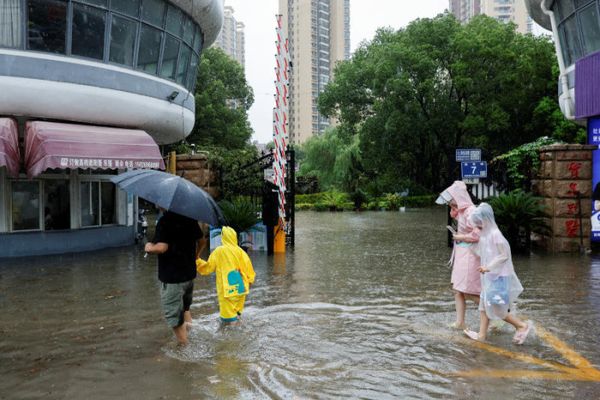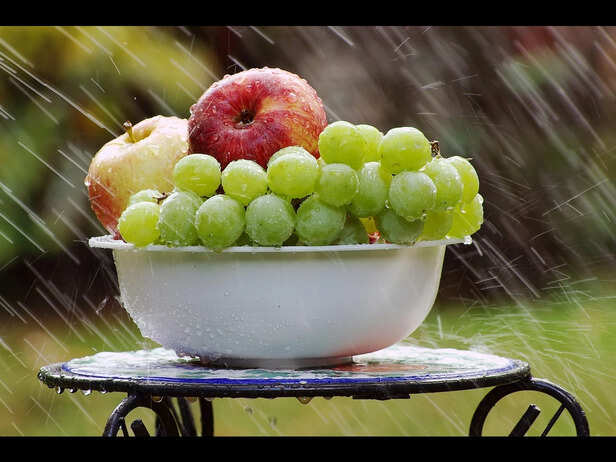
There is something about rainy weather that makes us want hot chai, pakoras and yesterday's leftovers straight from the fridge. And honestly, who has the energy to cook an entirely new meal every time it rains? But monsoon is also the season when your kitchen needs a little extra attention. High humidity and fluctuating temperatures can encourage bacteria to multiply faster, while food left sitting out can become unsafe before it even looks or smells bad. That leftover rice may look perfectly normal. The chopped fruit on the dining table may still look fresh. But appearances can be seriously misleading. Here are seven everyday monsoon food habits worth changing before they turn into an unnecessary stomach problem.
Reheating Rice Again and Again
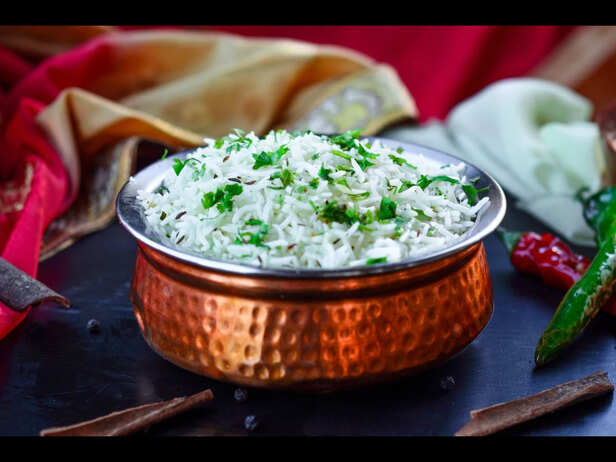
Rice is one of those foods that often gets a second, third or even fourth life in Indian kitchens. But repeatedly reheating and cooling cooked rice is not a great monsoon habit. Cooked rice can contain Bacillus cereus spores. If rice is left at room temperature for too long, bacteria can multiply and produce toxins. Reheating may kill some bacteria, but it does not necessarily destroy toxins that may already have formed. The safer move? Refrigerate leftover rice promptly in a clean, covered container and reheat only the amount you plan to eat.
Eating Cut Fruits That Have Been Sitting Out
That plate of chopped watermelon, papaya or mango sitting on the kitchen counter can look completely harmless. The problem is that once fruit is cut, its exposed surface can become an easier place for microbes to settle and multiply. Monsoon humidity makes leaving cut fruit outside for hours an even less appealing idea. Cut only what you intend to eat and refrigerate the rest promptly. Wash whole fruits before cutting them, too.
Treating Street Chaat Like a Rainy-Day Necessity
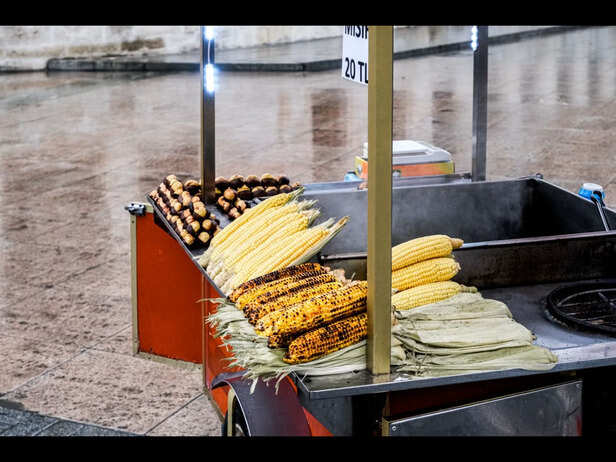
Rain + hot chaat + spicy chutney is practically a monsoon tradition. Unfortunately, street food can become riskier during the rainy season if ingredients, water or utensils are not handled hygienically. Chutneys, chopped onions, potatoes and other ready-to-eat ingredients can become contaminated when exposed to dirty water, hands, flies or unclean surfaces. You do not have to give up chaat completely. Choose vendors who maintain visibly clean counters, use fresh ingredients and keep food covered.
Reheating Food Without Checking How Long It Was Left Out
“It's in the fridge now” does not automatically make yesterday's food safe. If cooked food has already spent several hours at room temperature before being refrigerated, putting it in the fridge later cannot undo bacterial growth that may have happened. During monsoon, be particularly careful with cooked dal, curries, rice, paneer dishes and gravies. Refrigerate leftovers promptly and reheat them thoroughly when eating. And if something has been sitting out for too long, do not rely on a quick sniff test. Some harmful bacteria do not dramatically change the food's smell, taste or appearance.
Drinking Juice That Has Been Sitting Around
Fresh juice feels like the perfect antidote to sticky monsoon weather. But fresh does not mean it can sit around indefinitely. Once fruits or vegetables are juiced, the liquid can become a suitable environment for microbial growth, especially when kept at room temperature. If you are making juice at home, prepare only what you need and drink it soon after preparation. Avoid consuming juices from places where the water, ice, containers or preparation area appear questionable.
Eating Sprouts That Are Raw or Poorly Stored
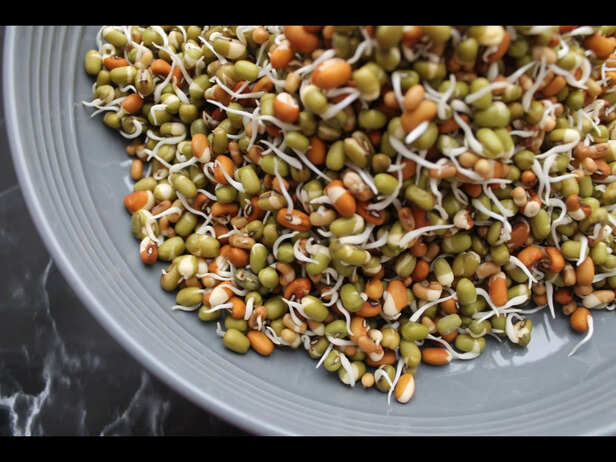
Sprouts may be nutritious, but raw or undercooked sprouts have been associated with foodborne illness because the warm, moist conditions required for sprouting can also allow bacteria to multiply. During monsoon, be extra careful about how sprouts are washed and stored. If you are particularly concerned about food safety, lightly cooking sprouts is a safer option than eating them raw. Keep them refrigerated and avoid consuming sprouts that smell unusual or have become slimy.
Your Monsoon Diet Needs More Than Just Hot Chai
Monsoon food safety is not about becoming paranoid every time it rains. It is mostly about making a few boring but important habits non-negotiable. Refrigerate leftovers promptly, avoid repeatedly reheating food, keep cut produce chilled, be cautious about questionable street food and pay attention to how food is stored during power cuts. Because the last thing anyone needs after finally getting comfortable with a cup of chai and pakoras is a stomach bug ruining the entire rainy season.
Unlock insightful tips and inspiration on personal growth, productivity, and well-being. Stay motivated and updated with the latest atMy Life XP.