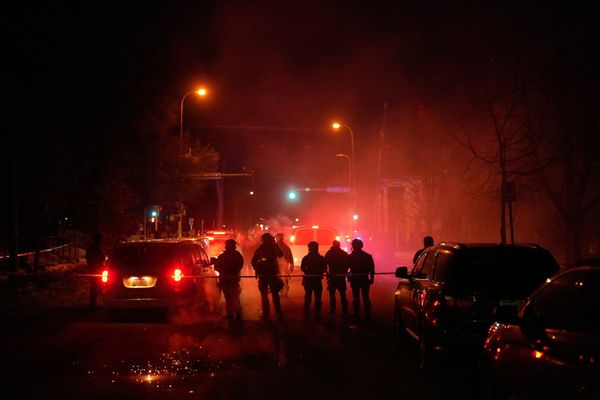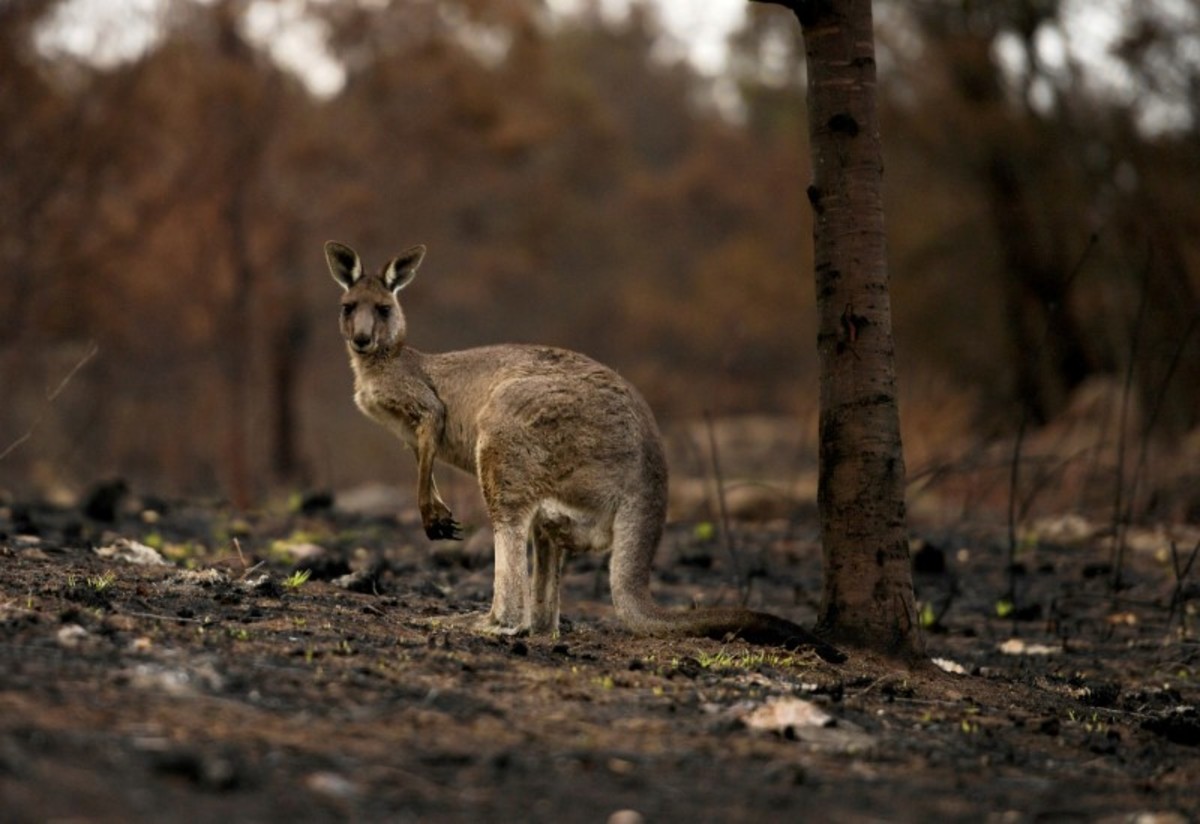
Forecasts of rain and storms are expected to bring some relief to land scorched by Australia's months-long bushfires, but heavy downpours now bring the risk of landslides and water pollution, meteorologists and water authorities said.
The country is going through its worst bushfire season on record, with fires burning since September taking 28 lives, destroying more than 2,500 homes and razing forests and farmland the size of Bulgaria.
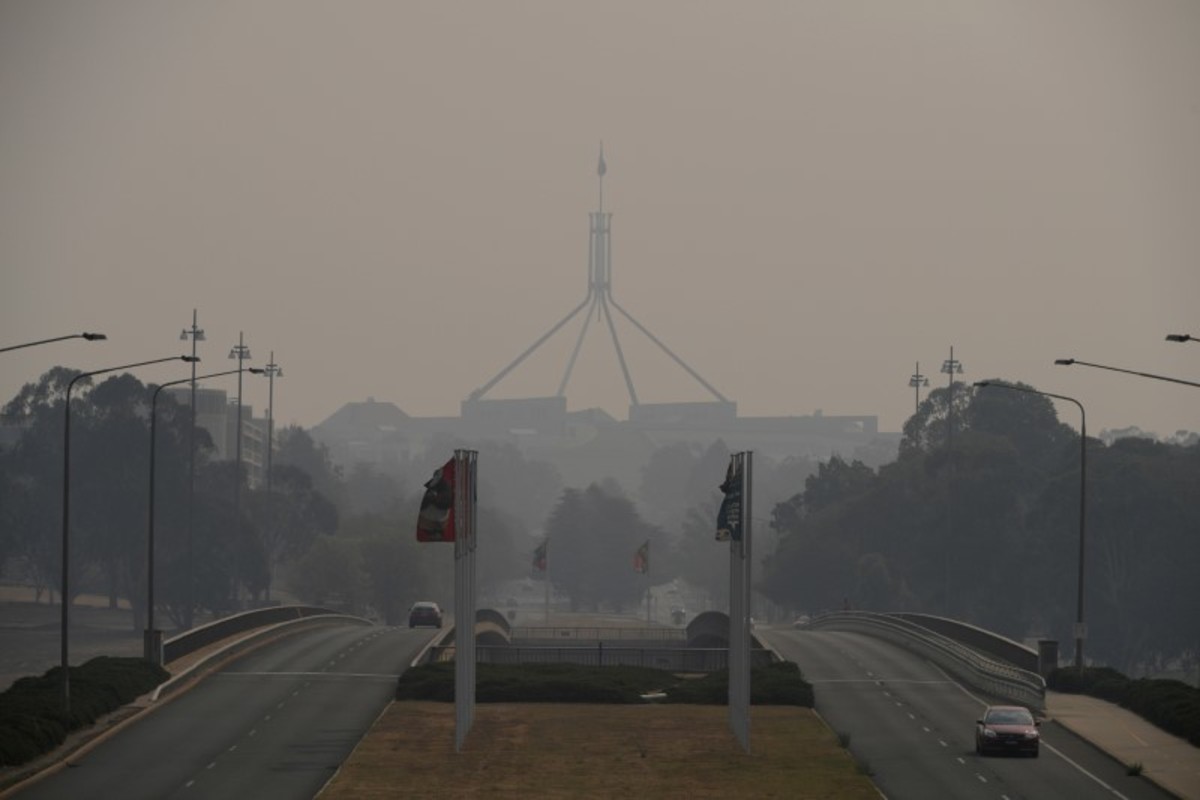
Scientists at NASA said on Wednesday that data from one of the U.S. space agency's satellites had traced smoke from the fires moving across the globe, showing that it had circumnavigated the Earth.

A shift in the weather pattern is now forecast to bring much more humid conditions to many fire-stricken areas across eastern Australia, helping to control the blazes or even extinguish some, the Bureau of Meteorology said. But the much needed rain is only partially good news.
"Heavy rainfall and gusty thunderstorms bring the potential for flash flooding, particularly in the burnt-out areas of New South Wales and Victoria which are now vulnerable for landslips and trees coming down," meteorologist Sarah Scully said in a video posted on the Bureau of Meteorology website.
NSW water authorities have also raised concerns that strong and erratic rainfall after fires can cause water pollution, with debris sweeping into reservoirs.
After widespread domestic and global criticism for poor leadership during the bushfire crisis and his dismissive attitude towards climate change, Prime Minister Scott Morrison said adaptation to the country's environmental situation is key.
Science Minister Karen Andrews was to meet with scientists, researchers and bushfire experts Wednesday to address the fire disaster.
"Every second that we spend talking about whether the climate is changing, is a second we are not spending on looking at adaptation, mitigation strategies," Andrews told ABC Radio National.
"It really is time for everyone to move on and to look at what we're going to do."
Bushfires are common during Australia's summer months, but this fire season started unusually early, often moving quickly and unpredictably, and leaving swathes of the drought-stricken land a scorched earth.
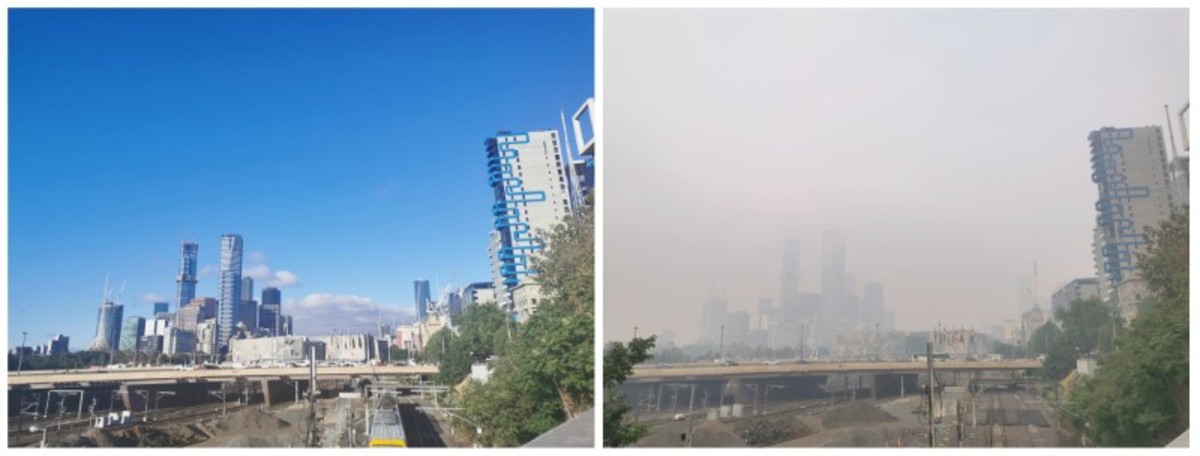
Heavy smoke over Melbourne on Tuesday caused disruptions at the Australian Open, a darling of the country's sporting events, as organisers faced a storm of criticism for going ahead with matches.
(Reporting by Lidia Kelly; Editing by Tom Brown)