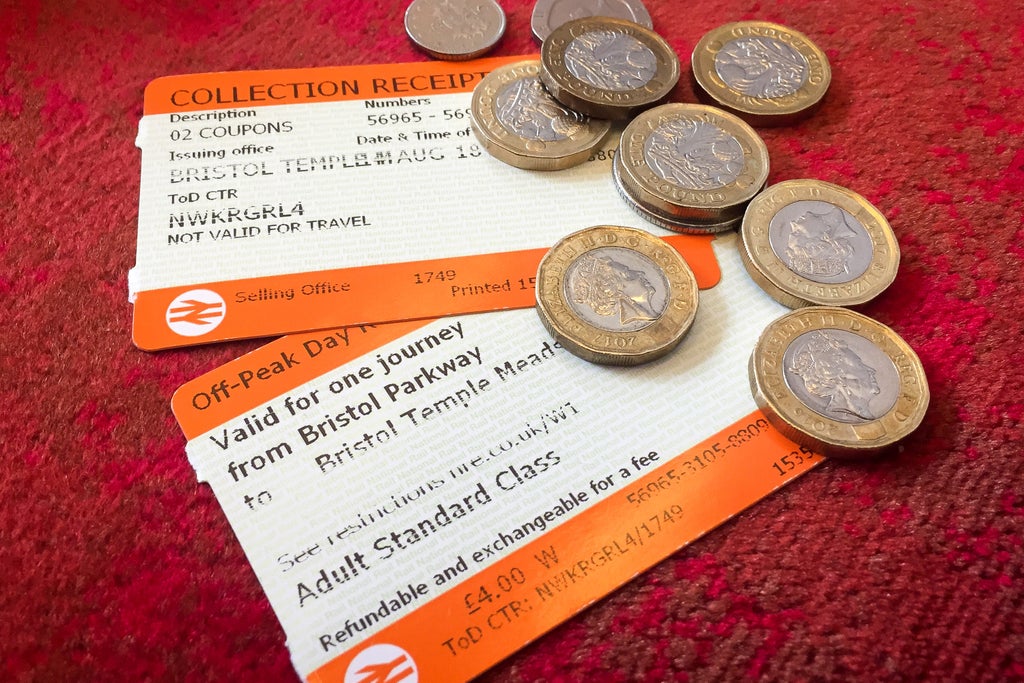
Britain’s train passengers will be hit with the largest fares rise in nearly a decade next year.
The Department for Transport announced that ticket prices will rise by 3.8% from March 1.
That is in line with July’s Retail Prices Index (RPI) measure of inflation.
It will be the steepest increase since January 2013, according to figures from industry body the Rail Delivery Group (RDG).
Capping rail fares in line with inflation while tying it to the July RPI strikes a fair balance, ensuring we can continue to invest record amounts into a more modern, reliable railway
This year’s rise in fares in England and Wales was based on the previous July’s RPI plus one percentage point.
The Scottish Government imposed smaller rises for some journeys. It has not announced its plan for 2022.
Increases are normally implemented on the first working day of every year, but have been delayed until March since 2020 due to the coronavirus pandemic.
Rail minister Chris Heaton-Harris said: “Capping rail fares in line with inflation while tying it to the July RPI strikes a fair balance, ensuring we can continue to invest record amounts into a more modern, reliable railway, ease the burden on taxpayers and protect passengers from the highest RPI in years.
“Delaying the changes until March 2022 offers people the chance to save money by renewing their fares at last year’s price.
“That includes the 100,000 people who are already making savings with cheaper and more convenient flexible season tickets.”
The DfT also announced the Book with Confidence scheme will be extended until March 31 2022.
This allows passengers to change their travel plans up until the night before departure, without being charged a fee, or cancel their tickets and receive a refund in the form of rail vouchers.
Andy Bagnall, director general of industry body the Rail Delivery Group, said: “The Government’s decision to hold fares down in line with July’s inflation is welcome compared to last year’s above-inflation increase and the rate of inflation right now.
“It is important that fares are set at a level that will encourage more people to travel by train in the future, helping to support a clean and fair recovery from the pandemic.
“We know the railway must not take more than its fair share from the taxpayer, which is why the rail industry is working to create a financially sustainable and more passenger-focused service that will both keep costs down long-term and attract people back to the train.”
Fares for rail services in Northern Ireland are set by state-owned operator Translink, which does not use RPI.