It is barely three weeks since Rachel Reeves delivered her spring statement, which, from today’s economic perspective, now seems like a lost golden age of bright hopes and high ambitions.
The event was designed to be low-key but upbeat, albeit one unsettled by the outbreak of hostilities in the Middle East. Acknowledging the changing context, the chancellor still announced that Britain enjoyed the fastest growth of any European G7 nation, that GDP forecasts were being upgraded for the latter years of this parliament, and inflation and interest rates were set on a gradual downwards path.
Endorsed by the Office for Budget Responsibility, it was, she told the House of Commons, evidence of “a stronger and more secure economy, resilient public finances and, in every part of Britain, working people better off”.
The unspoken truth was that the tough decisions (and some political mistakes) on taxation and public spending that had been taken after Labour came to power were now being vindicated. In due course, public confidence in the government’s competence would be restored.
As Ms Reeves knows better than most, things have changed. The latest report from the Organisation for Economic Cooperation and Development (OECD) shows that the UK is facing the biggest hit to growth from the Iran war out of all the G20 major economies.
Economic growth, upon which living standards and public services depend, is forecast to be 0.7 per cent over 2026, down from the OECD’s previous forecast of 1.2 per cent. Inflation and interest rates, as is already clear, are now going in the wrong direction, and Ms Reeves’ “fiscal headroom” will prove inadequate if the war doesn’t end quickly and with a decisive, sustainable peace agreement.
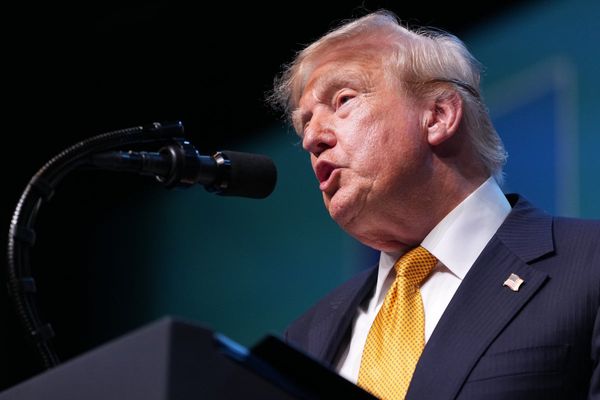
Larry Fink, the chair of BlackRock and the world’s biggest investor, warns that there could be a global recession if the price of a barrel of oil hits $150 – quite conceivable if President Trump’s “excursion” gets even further out of control.
In such circumstances, policy makers – the Treasury and the Bank of England – have two duties. The first is to protect the economy from any kind of slump that would permanently blight future growth prospects. This means not overreacting to events, particularly when there is such a breathtakingly wide range of scenarios.
If the conflict ends quickly and with some sense of a long-term easing in regional tensions, then the effects will be short-lasting and mild. If not, then the worst slump since the Second World War becomes a possibility, if still relatively remote, and with it a widespread destruction of wealth.
In any case, the Treasury should continue its policy of allowing the “automatic stabilisers” to operate, and not pre-emptively and counterproductively attempt to restrain an unavoidable increase in short-term borrowing. That, however, to secure investor confidence, needs to be allied to a credible medium-term fiscal strategy that will deliver structural reforms, especially in the social security system, that can lead to a far healthier, pro-growth balance of tax, spending and debt.
In that context, and the reality of a national debt approaching 100 per cent, it will be difficult, indeed highly risky, for the chancellor to attempt anything like blanket protection for households and businesses against soaring gas and electricity bills, if they come to pass.
The chancellor has rightly stated that subsidies will have to be targeted and they will have to be cash-limited. The alternative would be even more tax hikes and emergency cuts to public services – neither presently being politically possible.
Similarly, the Bank of England may be expected to nudge interest rates up to signal that a domestically generated price-wage-price cycle won’t be allowed to happen, but not ramp rates so hard to get inflation down that confidence and investment would be sunk, with even more dire consequences.
Politically, things could be even tougher for the government over the coming year and a half than things turned out to be after that glad, confident morning of 5 July 2024. Whether frustrated, disappointed voters will “blame” the government for another dismal episode of stagnant or falling living standards remains to be seen.
It would certainly be unfair to allot responsibility to Sir Keir Starmer and his colleagues for a war in the Gulf that the government didn’t want and refused to be drawn more deeply into. But the public does expect Ms Reeves to display a surer touch and better judgement than she has in the past.
Why is Donald Trump really playing for time in Iran?
Readers on how to tackle soaring energy bills in wake of Iran war
We’ve reached the stage where even the Iranians are trolling Trump
Rachel Reeves needs to come clean about how she plans to pay for this crisis
Far from Iran, Donald Trump’s impact on the world will be felt for decades
Britain’s most vulnerable must be protected from the cost of the Iran crisis