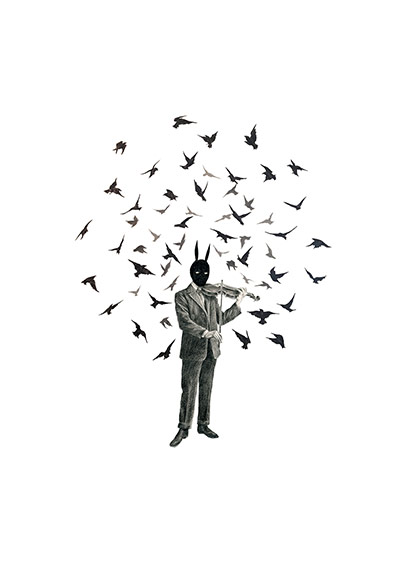
Rachel Goodyear portrays fairytales for adults. An air of intrepid innocence and otherworldly uncertainty pervades everything she does. A recent large, collaged drawing shows an almost pantomime scenario, with a cast of waltzing couples, dancing bears and a violinist in a spook mask perched atop a woodland pedestal. Across the gallery floor, a small flock of porcelain birds sprout decidedly unhealthy-looking bronze tumours. Elsewhere, wolves drool ectoplasm and a pubescent girl crouches over a sprouting of phallic fungi. Just when you think Goodyear is getting too fey to be real, she darkens the game with a precisely delineated image of sufficient strangeness to be convincingly dreamlike: a lone little boy takes a carrot-headed ghost for a walk on a leash.
The International 3, Sat 29 Jun to 2 Aug
RC Photograph: PR
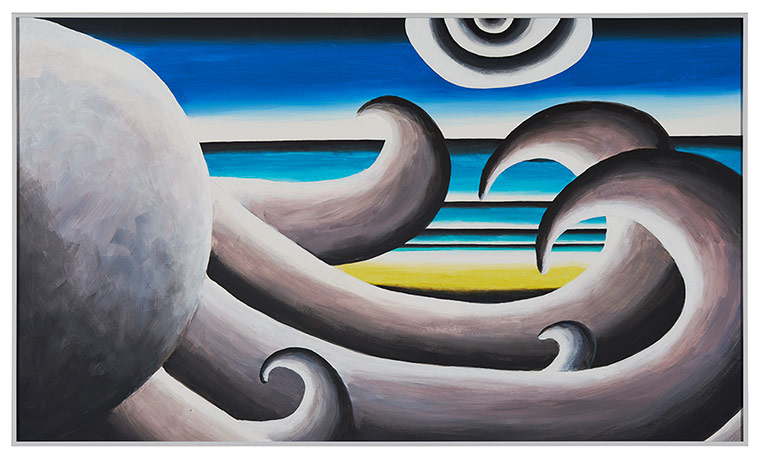
Andreas Schulze paints a soft-edged world where even ocean waves look fat and rubbery. Since the 80s, this German artist’s artist has brought a dark wit to depictions of domestic decor – from window frames to 70s-style caravans – steeped in art history. Here, paintings inspired by a trip to Sicily riff on the tradition of artists taking the Grand Tour. No tourist keepsakes, his images blurring rooms and landscape, or inner and outer experience, have more in common with surrealism. The comedy horror of middle-class wants peaks in his ceramics. Part-vase, part-Toby jug, they depict the bespectacled artist, a real flower sprouting from his head, as if his selfhood were literally inscribed on household items.
Sprüth Magers, W1, Fri 28 Jun to 17 Aug
SS Photograph: Mareike Tocha
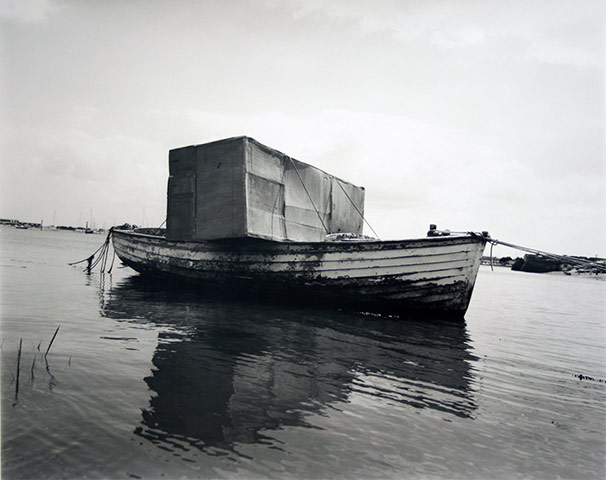
Andy Parker inherited his fascination with seafaring, journeys into the unknown and dying ways of life from his parents: his father was a sailor; his mum grew up on St Helena, an island in the South Atlantic ocean. The young artist’s previous shows have seen him fashion hectic rafts with painted cardboard replicas of old mattresses, broken washing machines and other junk, and undertake a two-week pilgrimage on the last Royal Mail ship to his mother’s homeland. He’s returned to the waves for this exhibition, making wax crayon rubbings on discarded newspaper of ship’s kit while working aboard a Royal Navy destroyer. Other archaeological forays into the present-day landscape include botanical drawings and works inspired by street graffiti.
Outpost, Tue 2 Jul to 22 Jul
SS Photograph: PR
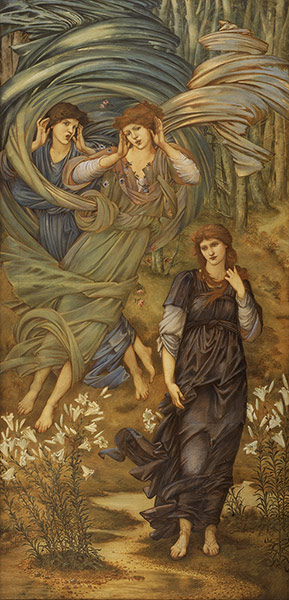
These 30 or so drawings and watercolours by the enduringly popular 19th-century painter should fit perfectly within the musty enchantments of the Lady Lever. A glimpse will be afforded, for instance, of a rare loose-leaf edition of the artist’s Flower Book. Working on the series for over 16 years, Burne-Jones’s ambition of uncovering the secrets of folklore flower names resulted in little more than sentimental cliches. It’s easy to ridicule Burne-Jones and his penchant for mermaids and swooning maidens. Yet there must be something in these reveries for them to contagiously haunt the national psyche for well over a century.
Lady Lever Art Gallery, to 12 Jan
RC Photograph: PR
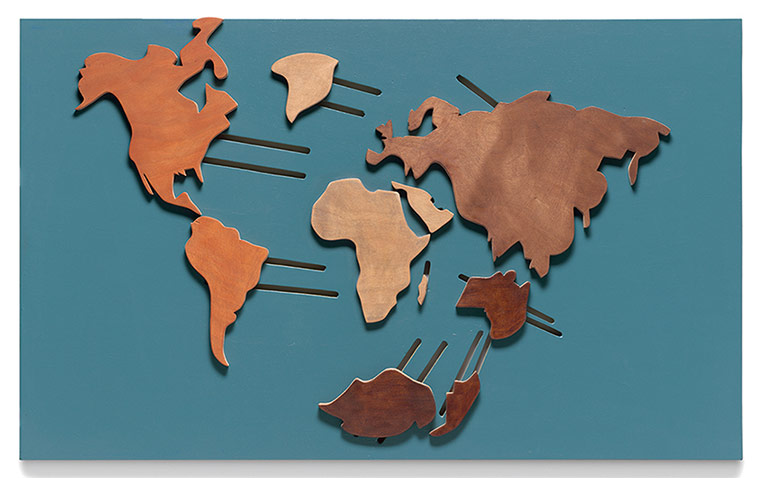
In this hands-on show, artists play with the idea of utopia as a world glimpsed through grand plans for a better society. Part of London landscapers Wayward Plants’ future vision involves sending plants into space, while Yto Barrada’s slogans slyly upend bureaucracy and Superflex’s film, The Financial Crisis, features a hypnotist analysing the 2008 crash. Yet much of the exhibition invites visitors to roll up their sleeves. Wayward Plants also host experimental greenhouses and you can learn to throw and mould clay at the Soul Manufacturing Corporation, Theaster Gates’s pottery studio.
Whitechapel Gallery, E1, Thu 4 Jun to 5 Sep
SS Photograph: Yto Barrada
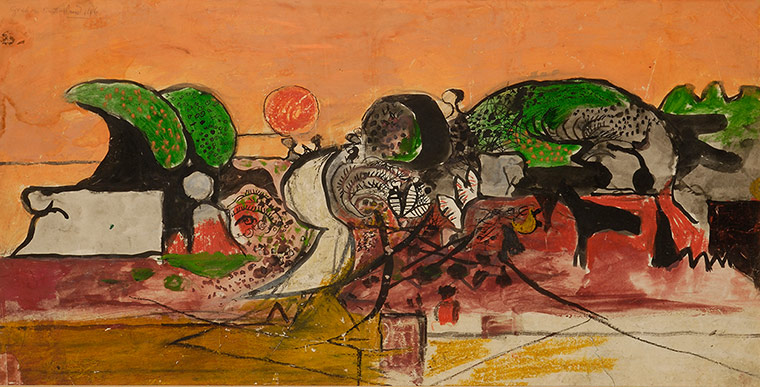
Although his reputation has taken a dip in recent decades, Graham Sutherland remained – up until his death in 1980 – one of the UK’s most internationally renowned painters. Taking inspiration from the eccentric Romantic tradition of William Blake and his mate Samuel Palmer, Sutherland adapted their visionary intensity to the anxieties of the second world war, the Holocaust, and the impending nuclear arms race. Maybe in our age of ecological dread and uprisings, Sutherland might once again become vitally relevant.
Abbot Hall Art Gallery, Sat 29 Jun to 15 Sep
RC Photograph: PR
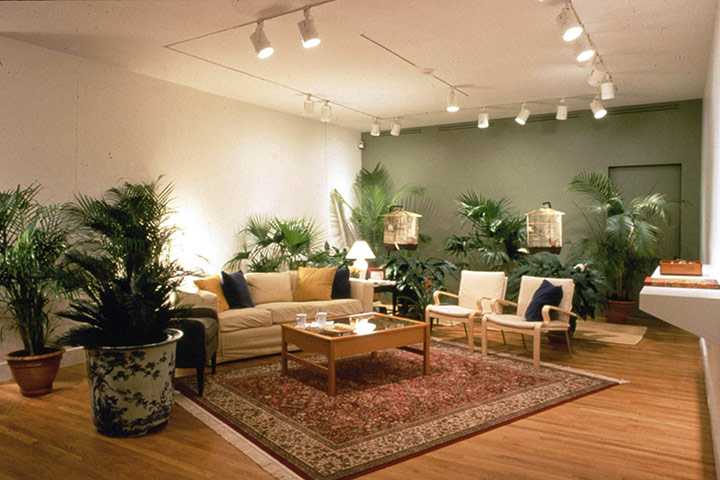
Lee Mingwei has said he comes from a Zen Buddhist tradition in which the divisions between art, life and sacred ritual are not as clear-cut as they tend to be in the west. So Mingwei sets up installations which seduce visitors into participation that is as thoughtfully engaged as it is deceptively domestic. For his Living Room he has invited a series of volunteers, including a film buff and members of a local knitting club, to act as temporary hosts according to their cultural tastes, while Quartet is a sound and image interaction based on Dvorák’s simply gorgeous American Quartet.
Chinese Art Centre, to 17 Aug
RC Photograph: Lee Mingwei

Meschac Gaba’s Museum Of Contemporary African Art was born of frustration. When the Beninese artist emerged in the 1990s from his studies in Amsterdam there seemed little room for contemporary African work in western galleries. So he turned the tables on the cultural gatekeepers, fashioning his own nomadic museum. Originally staged as 12 separate shows across Europe, its dozen rooms invite us to rethink what art institutions are meant to be. In addition to the familiar museum restaurant and shop, there’s the salon for playing a computer game based on the African game Awélé, and the games room, where you can rearrange African flags in sliding woodblock puzzles. You could even get married, as Gaba did in his marriage room in 2000.
Tate Modern, SE1, Wed 3 Jul to 22 Sep
SS Photograph: Nils Klinger