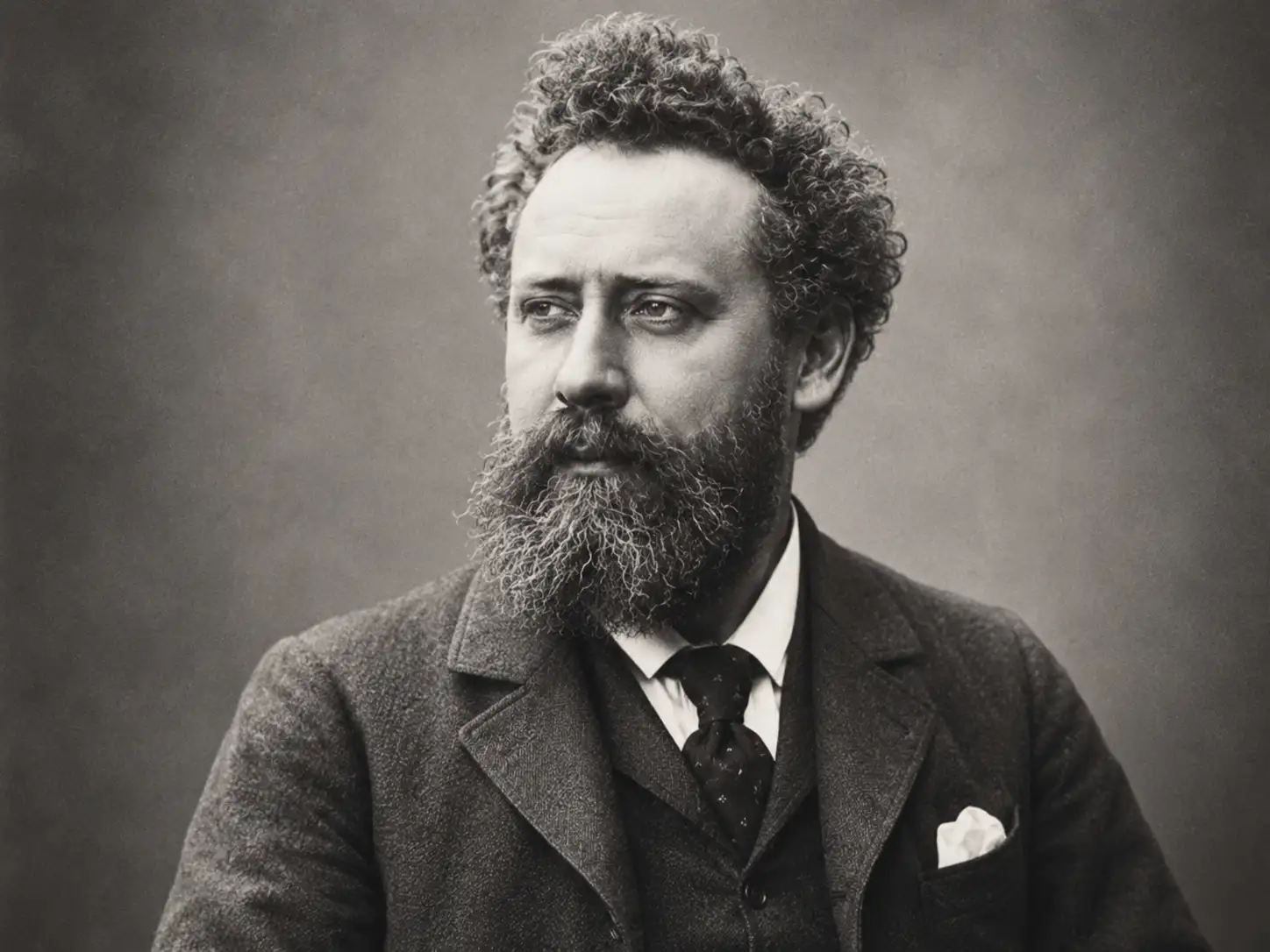
Quote of the Day by William Ernest Henley remains one of the most quoted literary lines in the world. The words, “I am the master of my fate; I am the captain of my soul,” come from his poem “Invictus,” written in 1875. The quote is often associated with perseverance, self-belief, and personal responsibility. Henley’s own life was marked by illness, hardship, and recovery. These experiences shaped his writing and helped create a message that continues to resonate with people seeking success, happiness, and purpose in life.
Understanding the Meaning Behind the Famous Quote
The quote of the day is,
“I am the master of my fate; I am the captain of my soul.”
It carries a simple but powerful message. It suggests that every person has the ability to guide their own life. The quote does not claim that people can control every event around them. Instead, it focuses on how individuals respond to situations. Challenges, failures, and setbacks may occur, but a person can choose their attitude, actions, and decisions.
The word “master” refers to someone who takes responsibility. The word “captain” refers to a leader guiding a ship through changing conditions. Together, these ideas encourage people to remain in control of their choices. This message continues to connect with people because life often presents circumstances beyond individual control. The quote reminds readers that their reactions still matter.
Quote of the Day by William Ernest Henley and Its Relevance Today
The quote remains relevant in modern society because people face many forms of uncertainty. Career decisions, financial concerns, personal relationships, and health challenges often require resilience. The message encourages individuals to avoid blaming circumstances alone for their situation. Instead, it promotes accountability and action.
Many people view the quote as a reminder that success often depends on persistence and effort. Even when progress is slow, continuing to move forward can create opportunities for growth. The quote is also linked to mental strength. It suggests that confidence comes from recognizing one's ability to make choices and take responsibility for outcomes.
The Life of William Ernest Henley
William Ernest Henley was born on August 23, 1849, in Gloucester, Gloucestershire, England. He was the son of a bookseller and studied under poet T.E. Brown. His life changed when he contracted a tubercular disease. The illness eventually led to the amputation of one foot. His other leg was saved through the treatment methods of surgeon Joseph Lister, whose medical techniques were considered innovative during that period.
Henley spent nearly 20 months in an infirmary in Edinburgh between 1873 and 1875. During this stay, he began writing poems inspired by hospital life. These works helped establish his reputation as a poet. Some of the poems appeared in The Cornhill Magazine in 1875. The full collection was later published in A Book of Verses in 1888. It was during this difficult period that Henley wrote “Invictus,” the poem that would become his most recognized work.
How Personal Struggles Shaped “Invictus”?
Henley’s experiences with illness played a major role in shaping his writing. Living with physical pain and facing the loss of a limb could have led to despair. Instead, he chose to focus on determination and endurance. This perspective became the foundation of “Invictus.”
The poem reflects a refusal to surrender to circumstances. It presents the idea that inner strength can remain intact even when external conditions are difficult. Many readers believe the poem gained popularity because it was rooted in real-life experiences rather than abstract ideas.
Henley’s Influence on Literature and Publishing
After returning to active life, Henley became an important figure in publishing and literary criticism. He edited The Magazine of Art from 1882 to 1886. During this time, he supported artists such as James McNeill Whistler and Auguste Rodin. He also worked on the Encyclopædia Britannica.
In 1889, he became editor of the Scots Observer in Edinburgh. The publication moved to London in 1891 and became the National Observer. Although the publication maintained conservative political views, it welcomed a broad range of literary voices. It published work by notable writers including Thomas Hardy, George Bernard Shaw, H. G. Wells, J. M. Barrie, W. B. Yeats, and Rudyard Kipling.
Henley earned a reputation for encouraging emerging writers. Many remembered him as someone who promoted new talent while openly criticizing work he considered undeserving of praise.
Friendship with Robert Louis Stevenson
One of Henley’s most significant friendships was with Robert Louis Stevenson. The friendship began in 1874 while Henley was receiving treatment. Stevenson later used aspects of Henley’s personality and physical condition as inspiration for the character Long John Silver in the book Treasure Island. This connection remains one of the most interesting links between Henley’s life and literary history.
Life Lessons from the Quote
Several lessons can be drawn from Henley’s famous words:
Take responsibility for decisions
The quote encourages people to own their choices rather than depend entirely on external factors.
Stay resilient during hardship
Difficult situations do not have to define a person’s future.
Focus on what can be controlled
Energy is better spent on actions and responses than on circumstances beyond control.
Maintain self-belief
Confidence often grows through persistence and effort.
Keep moving forward
Progress is possible even after setbacks when people remain committed to their goals.''
Why the Quote Continues to Inspire People?
More than a century after Henley’s death on July 11, 1903, his words continue to be shared in speeches, books, classrooms, and workplaces. The quote resonates because it addresses a universal challenge: how to respond when life becomes difficult.
Its message is not about denying hardship. Instead, it is about recognizing personal agency. The idea that individuals can guide their responses and decisions remains relevant across cultures and generations. For many readers, the quote serves as a reminder that while circumstances may influence life, personal choices help shape its direction.