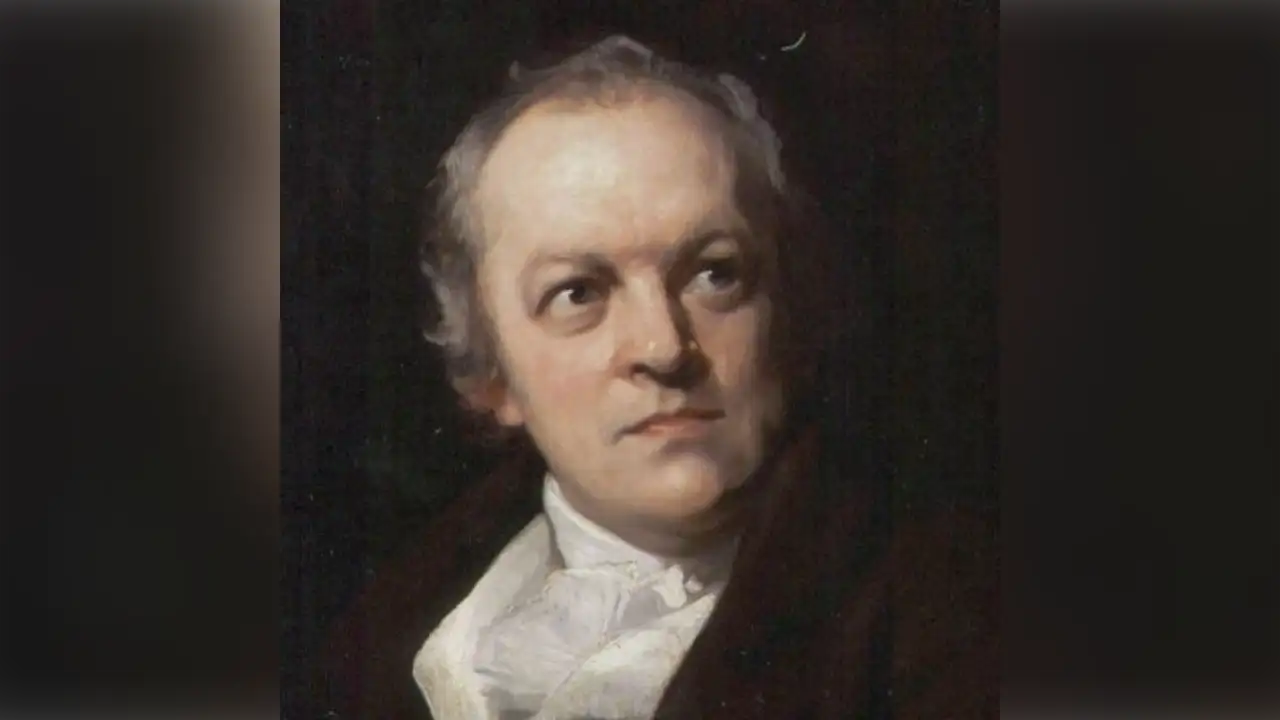
Quote of the day by William Blake : Speaking your mind is not always easy. People may stay quiet to avoid conflict, judgment or uncomfortable conversations. But William Blake believed that having the courage to express yourself can also be a way of protecting your dignity and keeping difficult people at a distance.
Quote of the Day Today: William Blake on the Power of Speaking Your Mind
William Blake once said, “ Always be ready to speak your mind, and a base man will avoid you ,” according to BrainyQuote.
What William Blake’s Quote Means
Blake’s words point to the importance of being confident enough to say what you think. When people know that you are willing to stand up for yourself, they may be less likely to treat you unfairly or take advantage of your silence.
The quote is not necessarily about being harsh or argumentative. Instead, it can be understood as a reminder to be honest about your thoughts and clear about your boundaries.
The Life Lesson Behind Today’s Quote
The lesson is simple: do not be afraid to speak up for yourself.
There are times when staying quiet may feel easier, but expressing your views can help you protect your values and make your position clear. Confidence does not always mean having the loudest voice; sometimes, it simply means refusing to hide what you believe.
Who Was William Blake
William Blake was an English poet, artist and engraver known for combining poetry and visual art in highly original ways. Born in London on November 28, 1757, Blake created works including Songs of Innocence, Songs of Experience, Milton and Jerusalem. He died in London on August 12, 1827, aged 69, as per a Britannica report.
William Blake’s Early Life
Blake grew up in modest circumstances in London. From childhood, he wanted to become an artist. His father sent him to a drawing school, and in 1772 he became an apprentice to engraver James Basire.
During his seven-year apprenticeship, Blake learned engraving and worked on drawings of medieval monuments at Westminster Abbey.
Blake’s Career as an Artist and Engraver
After completing his apprenticeship in 1779, Blake began working independently as an engraver. He created illustrations for books by writers including Mary Wollstonecraft, Erasmus Darwin and Edward Young, as per the Britannica report.
He also developed his own artistic style and created works inspired by his poems and visions. Among his best-known works are “The Lamb,” “The Tyger” and “London.”
Blake later became known for works including The Grave, The Book of Job and his unfinished illustrations for Dante. His engravings are now regarded as important achievements in English art.
William Blake and His Visions
Visions played an important role in Blake’s life and work. He described seeing spiritual figures from childhood and believed these experiences influenced his poems and drawings.
His work was deeply spiritual, although his religious ideas often differed from orthodox beliefs. He believed true worship was a private communion with the spirit rather than something controlled by institutions.
William Blake and Catherine
Blake married Catherine Boucher in 1782. He taught her to read and write, draw and colour his designs, and she helped him with his printing work, as per the Britannica report. Catherine supported his artistic work and his visions.
William Blake’s Legacy
Blake was largely neglected during his lifetime and was sometimes dismissed as mad. Later, he came to be regarded as one of the earliest and most original Romantic poets.