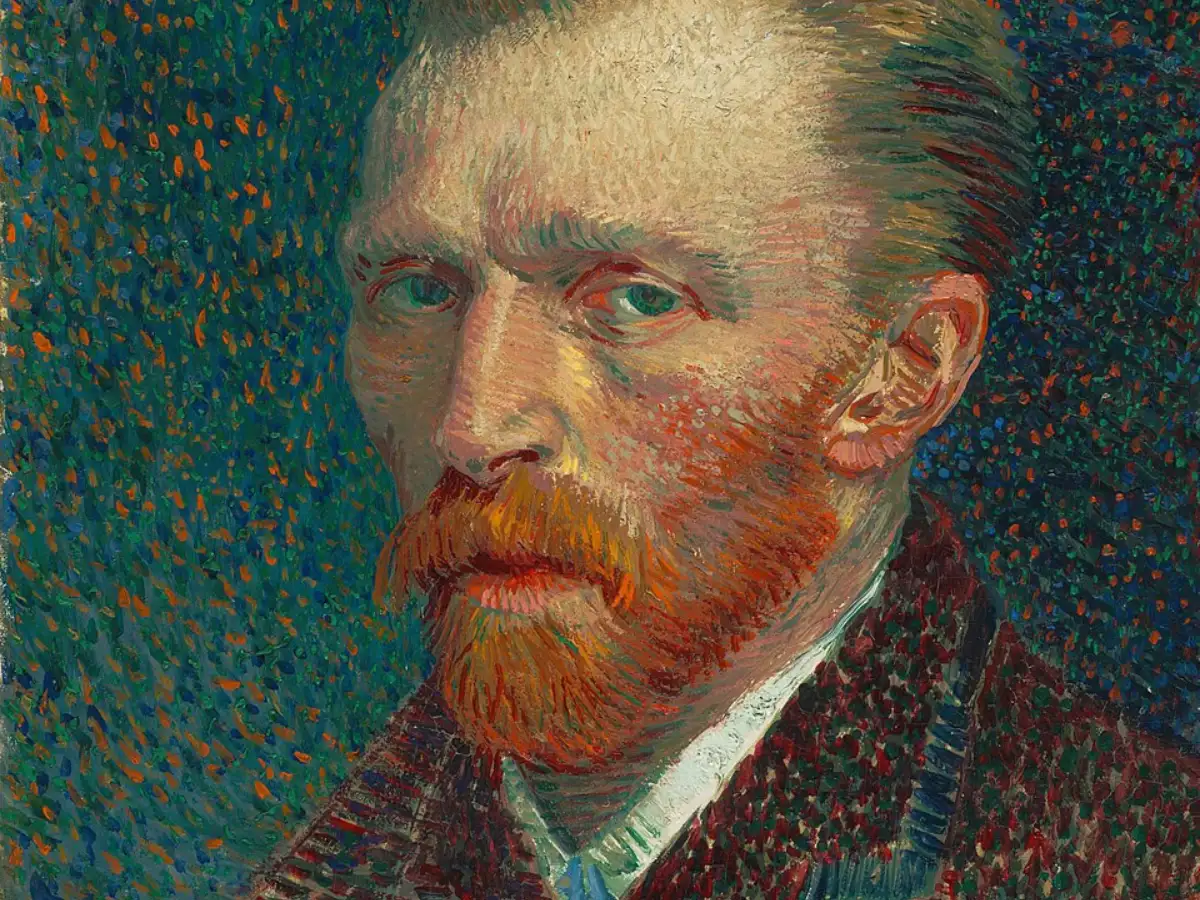
Paint splattered across rough canvases, lonely walks through quiet fields, sleepless nights under glowing skies, and one artist desperately trying to turn pain into beauty — few lives in art history feel as emotionally haunting as that of Vincent van Gogh. More than a century after his death, his paintings continue to move millions, not only because of their color and intensity, but because they feel deeply human.
Among the many words van Gogh left behind in his letters, one quote continues to resonate across generations: “I don't know anything with certainty, but seeing the stars makes me dream.”
The line captures something larger than art. It reflects a man who spent much of his life battling loneliness, rejection, poverty, and mental suffering, yet still found moments of wonder in the night sky. Long before his paintings became some of the most celebrated works in the world, van Gogh was simply searching for meaning, beauty, and hope in difficult times.
Vincent van Gogh’s emotional connection with the stars
The quote is often linked to van Gogh’s fascination with the night sky, which appeared repeatedly in his work. Paintings like The Starry Night and Starry Night Over the Rhône transformed ordinary skies into swirling emotional landscapes filled with movement and feeling.
For van Gogh, stars were never just distant objects. They represented possibility, mystery, and escape from earthly suffering. During periods of emotional instability and isolation, especially while staying at the asylum in Saint-Rémy, he often painted the sky with explosive energy and dreamlike color. The stars in his work almost seem alive, reflecting the turbulence and hope inside him at the same time.
That emotional honesty is part of why the quote still feels timeless today. Van Gogh admits uncertainty openly. He does not pretend to have all the answers about life or happiness. Instead, he finds comfort in imagination and wonder. In many ways, that vulnerability became the foundation of his artistic genius.
What does the quote teach us about hope and imagination?
The quote continues to connect with people because it speaks to a universal human experience. Most people go through moments where life feels uncertain or overwhelming. Van Gogh’s words remind readers that even during confusion, small moments of beauty can still inspire hope.
There is also something powerful about the simplicity of the line. He does not speak about success, wealth, or achievement. He speaks about dreaming. For van Gogh, imagination itself became a form of survival.
That idea becomes even more emotional when looking at his life story. During his lifetime, van Gogh sold very little artwork and struggled financially for years. He relied heavily on the support of his brother Theo while dealing with worsening mental health problems. Yet despite everything, he continued creating art with astonishing passion and urgency.
In just a decade, van Gogh produced around 900 paintings and more than 1,000 drawings. His bold brushwork, vivid colors, and emotional intensity would later influence modern art movements around the world. But while alive, he remained largely unrecognized.
Why Vincent van Gogh’s story still resonates today
Part of van Gogh’s enduring impact comes from the contrast between his personal suffering and the beauty he created. Paintings such as Sunflowers, The Bedroom, and The Potato Eaters are now viewed as masterpieces, yet they were created by a man who constantly doubted himself.
His letters reveal someone searching for purpose through art, nature, and human connection. Even during his darkest moments, he continued observing the world with extraordinary sensitivity. That ability to find wonder in ordinary things — fields, stars, flowers, village streets — is what gives his work lasting emotional power.
Today, van Gogh’s paintings attract millions of visitors to museums worldwide, while quotes from his letters continue going viral online. But unlike many inspirational sayings that feel polished or motivational, this one feels deeply personal. It comes from someone who experienced despair firsthand and still chose to dream.
In the end, that may be why the quote survives. Not because van Gogh claimed to understand life with certainty, but because he proved that even in loneliness and pain, human beings can still look up at the stars and imagine something beautiful.