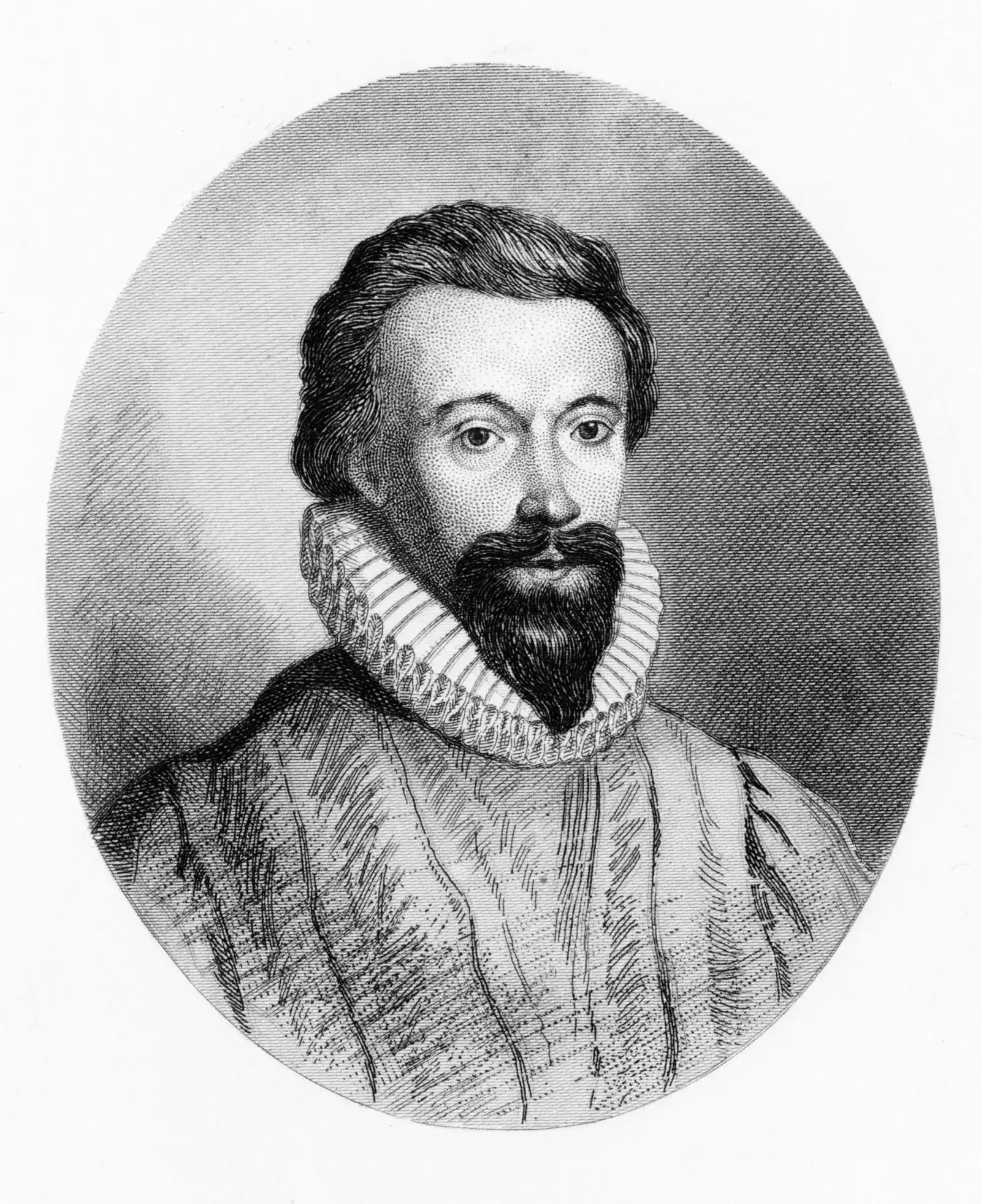
Long before modern self-help books and motivational speeches tried to explain human emotion, English poet John Donne was already writing about despair, grief, faith and the fragile state of the human soul with startling honesty. Known for his intense poetry and deeply personal sermons, Donne understood better than most writers that emotional pain can quietly consume a person from within.
Quote of the day by John Donne
One of his most powerful reflections on human suffering remains the quote: “ Despair is the damp of hell, as joy is the serenity of heaven.” Though written centuries ago, the line still feels painfully relevant in a world where anxiety, burnout and emotional exhaustion have become part of everyday life.
Unlike many philosophers who treated despair as weakness, Donne described it as something suffocating and heavy — almost like a spiritual fog that slowly drains hope from the human mind. Yet within the same sentence, he also reminds readers that joy has the opposite power. It brings clarity, peace and emotional light.
The emotional weight behind John Donne’s words
For John Donne, despair was not an abstract idea. His own life was filled with instability, loss and emotional struggle. Born in London in 1572 to a Roman Catholic family during a period of religious tension in England, Donne faced uncertainty from a young age. His father died when he was only four years old, and throughout his life he battled financial problems, personal grief and spiritual conflict.
Despite his brilliant education and extraordinary intellect, Donne’s life often felt emotionally turbulent. After secretly marrying Anne More in 1601, he lost his government position and spent years living in poverty while trying to support a growing family. Several of his children died young, and the emotional devastation deepened further when Anne herself died in 1617 after childbirth.
That grief changed him permanently. Many literary historians believe some of Donne’s most powerful religious writings emerged from this period of emotional collapse and spiritual reflection. His work repeatedly explored themes of death, fear, redemption and the human search for meaning.
When Donne wrote about despair, he was not speaking as a detached philosopher. He was writing as someone who had experienced emotional darkness firsthand.
Why does the quote still resonate today?
Part of what makes Donne’s quote so timeless is how accurately it captures the emotional reality of hopelessness. Despair rarely arrives dramatically. More often, it settles slowly into a person’s life, draining motivation, peace and emotional energy over time.
By describing despair as “the damp of hell,” Donne uses an image people can almost physically feel. Dampness spreads quietly. It weakens structures slowly. It creates discomfort that lingers constantly in the background. In many ways, that is exactly how emotional despair works.
At the same time, Donne contrasts despair with “the serenity of heaven,” suggesting that joy is not simply excitement or pleasure. Real joy, according to his words, is calmness, emotional balance and inner peace.
That distinction feels especially meaningful today. Modern culture often confuses happiness with success, productivity or public validation. But Donne’s quote suggests something deeper — that true emotional peace comes from spiritual and psychological clarity rather than external achievement.
John Donne’s brilliance went beyond poetry
Today, John Donne is widely regarded as one of the greatest poets in the English language and one of the leading figures of the Metaphysical poetry movement. His famous works include The Flea, A Valediction: Forbidding Mourning, Holy Sonnets and Death Be Not Proud.
What separated Donne from many writers of his era was his ability to combine intellectual depth with raw emotional honesty. His poetry often blended philosophy, religion, romance and mortality into deeply personal reflections about human existence.
Even centuries later, his writing still feels surprisingly modern because it speaks directly to emotions people continue to struggle with — loneliness, fear, grief, love and spiritual uncertainty.
In recent years, Donne’s words have found new life online, where readers frequently share his quotes during conversations about mental health, healing and emotional resilience. His reflections remind people that human suffering is not new, and neither is the search for hope.
Today, among all the sermons, poems and philosophical writings he left behind, this quote continues to stand out because of its emotional simplicity. John Donne did not romanticize despair. He described it as something suffocating and destructive. But he also believed that peace, joy and emotional serenity were still possible — even after immense suffering.