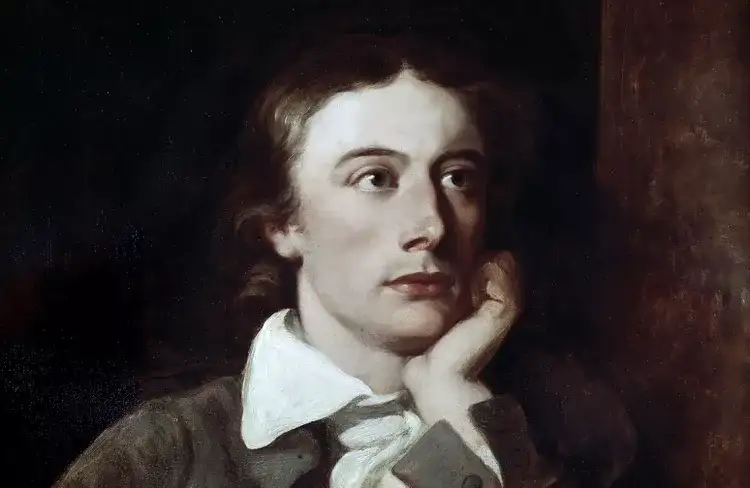
Quote of the Day by John Keats: One of the most iconic figures of English Romantic literature, John Keats is widely regarded as one of the greatest poets of the 19th century. Born in 1795, Keats lived a short but intensely creative life, producing poetry that continues to influence literature, art, and philosophy today. Despite facing poverty, illness, and criticism during his lifetime, he remained deeply committed to artistic excellence and emotional expression.
Keats is best known for his rich imagery, exploration of beauty, and deep reflections on human existence. His works such as Ode to a Nightingale, Ode on a Grecian Urn, and To Autumn highlight his ability to capture both the beauty and fragility of life. The quote reflects his fearless mindset toward failure and his strong desire to achieve greatness, even if success was not guaranteed.
Meaning of the Quote of the Day: What John Keat’s Quote Really Means?
The quote by John Keats expresses a powerful philosophy about ambition and fearlessness. He suggests that failure is not something to be feared, but rather something to accept as part of striving for greatness. For him, the real loss is not failing, but never trying at all or avoiding ambition out of fear.
The timeless quote reflects a mindset where greatness is valued more than comfort or safety. It encourages individuals to aim high, even if the outcome is uncertain. In Keats’ view, it is better to take risks, learn through experience, and potentially fail than to live a life of hesitation and mediocrity. This idea also reflects his own life as a poet; despite limited recognition during his lifetime, he continued to write with passion and dedication, believing in the long-term value of artistic excellence.
Biography of John Keats
John Keats (1795–1821) was one of the most important poets of the English Romantic movement. Despite living only 25 years, he produced some of the most admired poetry in English literature. His works focus on beauty, imagination, emotion, and the intensity of human experience. Although he was not widely recognized during his lifetime, he later became one of the most celebrated Romantic poets.
Early Life
John Keats was born on October 31, 1795, in London, England. He lost his parents at a young age and was raised by his grandmother and guardians. He studied at a school in Enfield, where he developed an early interest in literature. Initially trained as a surgeon, Keats later abandoned medicine to pursue poetry, a decision that shaped his legacy.
Achievements
Keats achieved recognition posthumously as one of the greatest Romantic poets. His poetry is praised for its emotional depth, vivid imagery, and philosophical insight. He contributed significantly to the Romantic movement by emphasizing beauty, nature, and human emotion. His concept of “negative capability” became influential in literary criticism, highlighting the importance of uncertainty and imagination.
Famous Works
Some of John Keats’s most famous works include:
- Ode to a Nightingale
- Ode on a Grecian Urn
- To Autumn
- Ode on Melancholy
- La Belle Dame sans Merci
- Endymion
These poems are known for their lyrical beauty, emotional intensity, and exploration of life, death, and beauty.
What is the Real Secret to Success? The Truth Most People Miss
The real secret to success is not avoiding failure, but learning how to move through it. Success is built on consistent effort, courage, and the willingness to take risks even when outcomes are uncertain. Most successful people do not reach greatness without setbacks, they reach it because they refuse to stop after failing. Discipline and persistence matter more than talent alone, while fear of failure often becomes the biggest obstacle to progress.
Another key element is learning: every mistake provides valuable lessons that bring you closer to improvement. Success also requires clarity of purpose, strong habits, and the patience to grow step by step. In reality, success is not a single moment of achievement but a long journey of trying, failing, adjusting, and continuing forward. Those who embrace this process eventually turn struggles into stepping stones toward greatness and lasting achievement.
Life Lessons from the Quote
Failure is part of growth
Keats teaches that failure is not the opposite of success but a necessary part of it. Every setback provides lessons that shape improvement.
Ambition gives life direction
Without ambition, life can become stagnant. The quote encourages people to set high goals and continuously strive for improvement.
Courage is more important than comfort
Fear of failure often prevents people from reaching their potential. Keats emphasizes that courage to try matters more than avoiding mistakes.
Greatness requires risk
True achievement involves stepping into uncertainty. Those who aim for greatness must accept risk as part of the journey.
Why This Quote Still Matters Today
In today’s fast-paced and highly competitive world, fear of failure often stops people from pursuing their dreams. Many avoid risks in order to stay comfortable or avoid criticism. Keats’ message remains powerful because it challenges this mindset.
For students, professionals, artists, and entrepreneurs, the quote serves as a reminder that growth requires action and courage. Success is rarely achieved without setbacks, and those who are willing to fail often learn faster and grow stronger.
In a society focused on perfection and results, Keats encourages a shift in thinking - valuing effort, ambition, and resilience over fear and hesitation. His message continues to inspire individuals to pursue excellence without being limited by the fear of failure.
Inspiring Quotes by John Keats
Here are few more famous quotes by John Keats
- “Heard melodies are sweet, but those unheard, are sweeter.” As per Goodreads
- “Do you not see how necessary a world of pains and troubles is to school an intelligence and make it a soul?” As per Goodreads
- “Give me books, French wine, fruit, fine weather and a little music played out of doors by somebody I do not know.” As per Goodreads
- “The poetry of the earth is never dead.” As per Goodreads
- “I almost wish we were butterflies and liv'd but three summer days - three such days with you I could fill with more delight than fifty common years could ever contain.” As per Goodreads