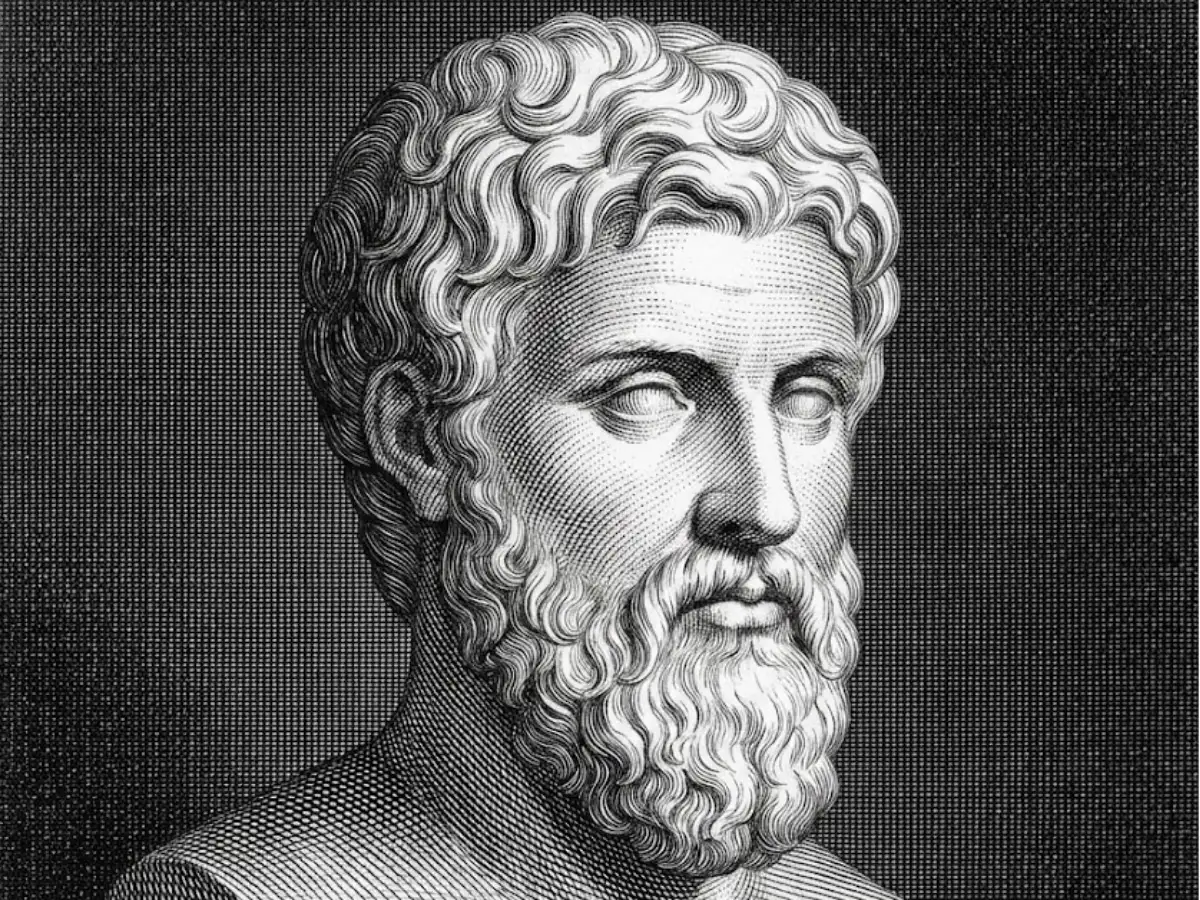
Quote of the Day by Plutarch: Arguments, opinions, interruptions and endless noise have become part of everyday life. People often listen only long enough to respond, defend themselves or prove another person wrong. But nearly two thousand years ago, Greek philosopher and biographer Plutarch offered a remarkably calm and intelligent reminder about the value of listening.
Quote of the Day by Plutarch
One of his most enduring observations still feels deeply relevant today:
“Know how to listen, and you will profit even from those who talk badly.”
At first glance, the quote sounds simple. But the more people reflect on it, the more powerful it becomes. Plutarch was not saying every speaker is wise or every opinion is correct. Instead, he believed that truly intelligent people know how to learn from every conversation — even unpleasant, foolish or poorly expressed ones. That is what gives the quote its lasting emotional force.
Iconic words by Plutarch reveal a deeper truth about human nature
For many people, listening feels passive. Speaking confidently often appears stronger, smarter or more impressive. But Plutarch believed the opposite. He understood that listening carefully requires patience, humility and emotional control.
Born around 46 CE in Chaeronea, Greece, Plutarch became one of the ancient world’s most influential writers. He studied philosophy and mathematics in Athens before travelling widely across Greece, Rome and Egypt. Over time, he built a reputation not only as a thinker, but also as one of history’s greatest biographers, as per information sourced from Britannica.
His famous work, Parallel Lives, compared the personalities and moral choices of great Greek and Roman leaders. Rather than simply recording events, Plutarch tried to understand character itself — ambition, pride, courage, anger, kindness and weakness.
That focus on human behaviour explains why his quote about listening still resonates today.
Plutarch recognised that people often reveal valuable truths unintentionally. Sometimes a badly spoken argument exposes a hidden fear. Sometimes a rude conversation teaches patience. Even foolish opinions can sharpen someone’s understanding by forcing them to think more carefully.
The quote is not really about agreeing with everyone. It is about remaining open enough to learn something from anyone.
What does Plutarch’s quote teach us about ego and wisdom?
The emotional power of the quote comes from the way it challenges pride. Most people prefer listening only to those they admire or agree with. But Plutarch believed wisdom requires something more difficult: the ability to remain thoughtful even when facing irritating, arrogant or poorly informed people.
That idea feels especially relevant in modern life, where disagreements often become personal almost instantly.
Plutarch understood that ego can block learning. The moment people assume another person has nothing valuable to say, they stop paying attention completely. But intelligent listening allows individuals to gather insight from every experience — including negative ones.
Sometimes people learn how not to behave. Sometimes they recognise flaws in their own thinking. Sometimes they discover unexpected truths hidden beneath poor communication.
The quote also reflects emotional maturity. Listening calmly does not mean becoming weak or silent. It means having enough confidence to absorb information without immediately reacting defensively. In many ways, Plutarch believed listening was connected to self-control and character.
That is why the quote continues connecting with readers centuries later. It reminds people that wisdom is not measured only by how well someone speaks, but also by how carefully they listen.
Why Plutarch’s words still matter in the modern world
Plutarch’s influence stretched far beyond ancient Greece. His biographies later shaped Renaissance literature, political philosophy and even the works of writers like William Shakespeare, who used Plutarch’s writings as inspiration for several Roman plays.
But perhaps the reason his words still go viral online is because modern society struggles with listening more than ever.
People interrupt quickly, react emotionally and reduce complex discussions into instant judgments. Social media rewards speed and outrage rather than reflection. In that environment, Plutarch’s quote feels surprisingly wise and refreshing.
It encourages people to slow down and pay attention, not because every speaker deserves admiration, but because every interaction contains the possibility of learning something valuable.
Today, nearly two thousand years after his death, Plutarch’s message still carries remarkable relevance. Not because he promised easy conversations, but because he understood that wisdom often grows in uncomfortable moments. His quote remains timeless: truly intelligent people do not learn only from brilliant teachers. They learn from everyone.