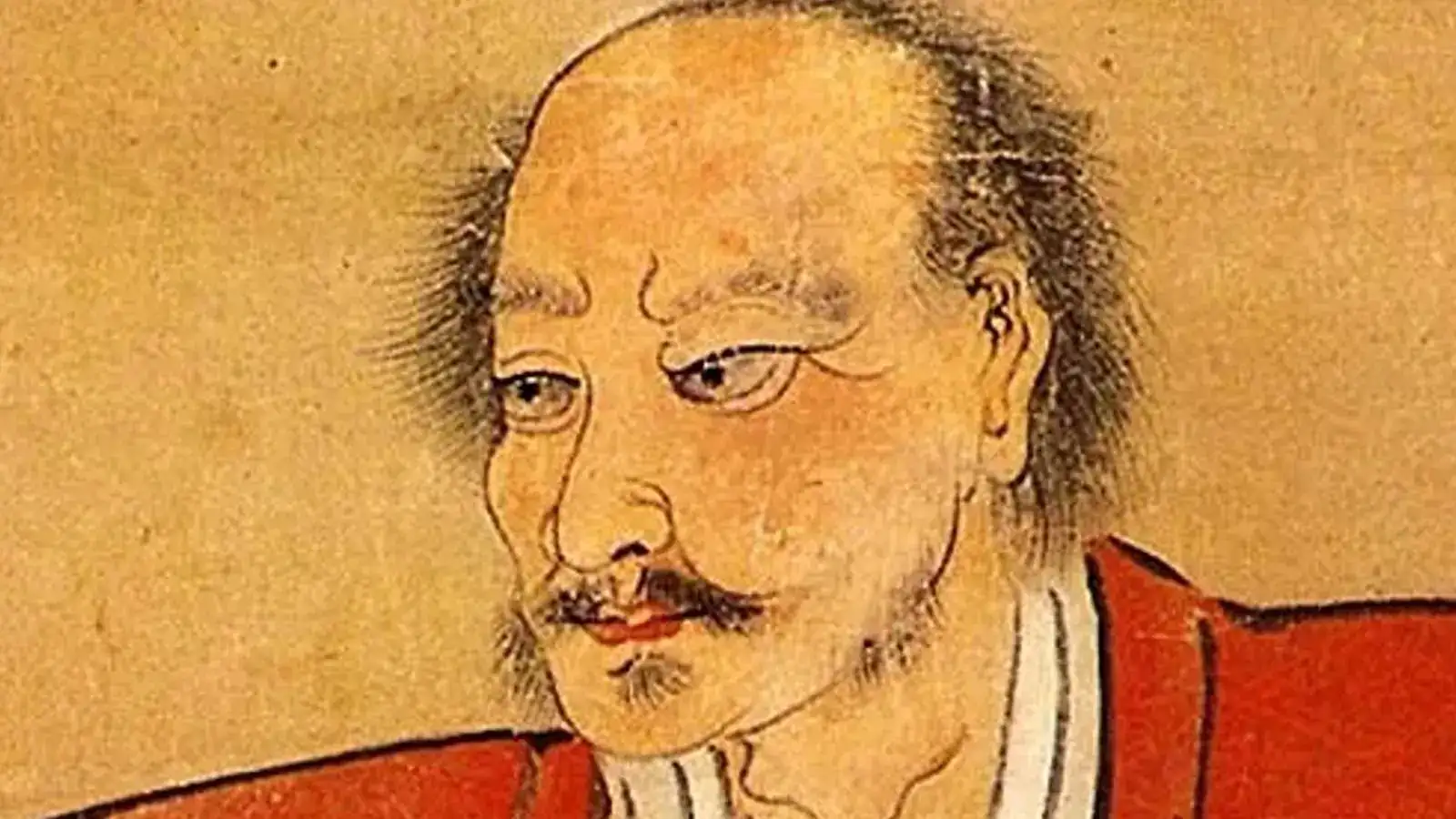
Quote of the Day: In an age obsessed with formulas for success, rigid productivity routines and endless comparisons, the life of Miyamoto Musashi feels strangely modern. The legendary Japanese swordsman, strategist and artist spent much of his life resisting convention. Born in the late 16th century during a violent and unstable era in Japan, Musashi became famous not only for surviving dozens of duels, but for transforming combat into philosophy. He painted with sparse brushstrokes, wrote about discipline and self-mastery, and challenged the idea that greatness could be achieved through imitation alone. Centuries later, one of his most quoted reflections continues to resonate with people trying to navigate careers, creativity and personal identity in an increasingly competitive world.
Quote of the day today
The quote, often attributed to Miyamoto Musashi, is deceptively simple. Yet beneath its calm wording lies a sharp challenge to modern thinking: the belief that there is only one correct route to success, wisdom or fulfilment.
Musashi’s words reject rigid ideas about achievement. Instead, they encourage flexibility, individuality and the courage to pursue a path that may look different from everyone else’s.
Who was Miyamoto Musashi?
Miyamoto Musashi was born around 1584 during a turbulent chapter of Japanese history marked by warfare and political upheaval. He became a samurai at a remarkably young age and, according to historical accounts and legend alike, fought his first duel at just 13 years old.
Musashi later became a rōnin, a masterless samurai, after fighting on the losing side during the Battle of Sekigahara in 1600, a conflict that helped establish the Tokugawa shogunate. Unlike many warriors of his era, Musashi did not settle into comfortable service under a lord. Instead, he embarked on a wandering life devoted to combat, discipline and self-development.
He is believed to have fought more than 60 duels, many ending in death, without ever being defeated.
His most famous confrontation came in 1612 against rival swordsman Sasaki Kojirō. The duel has since entered Japanese folklore. According to tradition, Musashi arrived late to the island duel and carved a wooden sword from a boat oar while travelling there. He then defeated Kojirō with a single blow.
Yet Musashi’s legacy extends far beyond violence or martial skill.
The warrior who became a philosopher
As he grew older, Musashi increasingly turned inward. He practised painting, calligraphy, sculpture and writing with the same discipline he brought to swordsmanship. His art embraced minimalism and directness, often using only a few brushstrokes to capture birds, landscapes or moments of stillness.
Near the end of his life, Musashi wrote The Book of Five Rings, a text blending martial strategy with broader reflections on human behaviour, focus and perception. Though rooted in combat, the book eventually found readers far beyond Japan’s warrior culture.
In the 20th century, executives, entrepreneurs and leadership theorists in the West embraced the text as a guide to competition and strategic thinking. Yet many of Musashi’s ideas were less about domination than adaptability, the ability to respond to changing circumstances without becoming trapped by ego or habit. That philosophy echoes strongly in today’s quote.
Quote of the day meaning
“You must understand that there is more than one path to the top of the mountain” speaks to the danger of imitation.
Modern culture often promotes singular definitions of success: the ideal career, the perfect lifestyle, the correct timeline for achievement. Social media intensifies this pressure by constantly presenting curated versions of other people’s lives.
Musashi’s quote pushes against that mindset.
The “mountain” in the quote can represent many things: fulfilment, mastery, peace, success or wisdom. But the central message is that no single route guarantees arrival. One person may achieve meaning through art, another through scholarship, business, family or solitude.
The quote also suggests that copying someone else’s journey too closely can become limiting. Musashi himself rarely followed established norms. He developed his own two-sword fighting technique, nitō ichi-ryū, and often approached combat unpredictably. His victories came partly because he refused to become trapped by tradition.
Why the quote still resonates today
The popularity of Musashi’s words in modern culture reflects widespread exhaustion with comparison-driven thinking.
Young people today are frequently told there is a “right” path to success: elite education, rapid career growth, financial achievement and constant productivity. Falling behind those expectations can create anxiety and self-doubt.
Musashi’s quote offers an alternative perspective. It reminds people that meaningful lives rarely unfold in identical ways.
A career change at 40, a creative pursuit begun late in life or a quieter definition of happiness may still lead to fulfilment. The mountain remains the same, but the route can differ dramatically. That idea has become increasingly appealing in an era where burnout and identity crises are widely discussed.
Musashi’s philosophy of adaptability
One reason Musashi’s teachings endure is their emphasis on adaptability over rigid perfection. In The Book of Five Rings, Musashi repeatedly stressed awareness, timing and flexibility. He believed mastery required understanding not only technique, but environment, psychology and human nature.
This broader philosophy explains why his ideas continue to appeal outside martial arts. Business leaders read him for strategy. Athletes study him for mental discipline. Artists admire his commitment to simplicity and direct expression.
But perhaps his greatest lesson was independence of thought. Musashi distrusted blind imitation. He encouraged people to study deeply, observe carefully and ultimately discover their own method.
More than ambition
The quote is not merely about reaching the top. It is also about respecting difference.
In many societies, people are pressured to conform: professionally, socially and creatively. Musashi’s words quietly challenge that pressure by suggesting diversity of approach is not weakness but strength.
Two people can pursue entirely different lives and still arrive at wisdom or contentment.
That message feels especially relevant in a digital culture where algorithms constantly encourage sameness: the same aesthetics, opinions, goals and trends repeated endlessly. Musashi’s philosophy instead values individuality forged through experience.
A lesson from a wandering swordsman
For someone remembered as one of history’s deadliest swordsmen, Miyamoto Musashi left behind a surprisingly reflective legacy. His writings reveal a man who gradually moved beyond combat and became fascinated by discipline, observation and inner clarity.
His famous quote about the mountain endures because it speaks to a universal fear — the fear of taking the “wrong” path.
Musashi’s answer is reassuring without becoming sentimental. There is no single road to wisdom, purpose or achievement. What matters is not imitation, but intention, perseverance and understanding oneself along the journey.