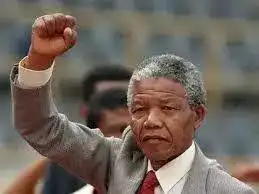
Quote of the Day by Nelson Mandela continues to inspire discussions about human behavior, dignity, and the consequences of humiliation. The quote, "There is nothing more dangerous than a humiliated man," reflects a deep understanding of human emotions and social relationships. Nelson Mandela witnessed the effects of discrimination, inequality, and exclusion throughout his life and political journey. His words highlight how shame and humiliation can influence actions, decisions, and conflicts. The message remains relevant in modern society, where people continue to face challenges related to respect, acceptance, and fairness. The quote encourages empathy, understanding, and the protection of human dignity.
Quote of the Day by Nelson Mandela and Its Meaning Today
The quote is,
"There is nothing more dangerous than a humiliated man."
This quote by Nelson Mandela is the Quote of the Day today. It speaks about human emotions and the effect that humiliation can have on a person. The statement suggests that when people feel deeply insulted, ignored, rejected, or stripped of their dignity, they may react in ways that can harm themselves or others.
Humiliation often creates feelings of anger, frustration, and resentment. These emotions can build over time. Mandela's words remind people that treating others with dignity and respect is important because humiliation can lead to conflict and division. The quote is relevant in everyday life. It applies to personal relationships, workplaces, schools, communities, and even politics. People who feel humiliated may lose trust, become isolated, or respond with hostility. Mandela's message encourages understanding and respect rather than humiliation and exclusion.
Lessons About Human Nature, Anger and Shame
The quote offers several lessons about human nature.
First, every person wants dignity. People want to be respected and valued. When that dignity is attacked, emotional wounds can develop.
Second, shame can influence behavior. A person who feels embarrassed or humiliated may act differently than someone who feels respected. Shame can lead to anger and poor decisions.
Third, unresolved anger can create larger problems. Mandela understood that humiliation often fuels conflict. Many disputes begin when people feel ignored, mistreated, or disrespected.
The quote also teaches the importance of empathy. Understanding another person's feelings can reduce tension and prevent unnecessary conflict. Respectful communication can help solve disagreements before they become serious problems.
How Nelson Mandela's Life Reflected This Message?
Nelson Mandela's own life gives deeper meaning to this quote. Mandela was born on July 18, 1918, in Mvezo, South Africa. He was the son of Chief Henry Mandela of the Madiba clan of the Xhosa-speaking Tembu people. After his father's death, he was raised by Jongintaba, the regent of the Tembu people. He studied at the University of Fort Hare and later studied law at the University of the Witwatersrand. In 1944, he joined the African National Congress (ANC) and became active in the fight against racial segregation and apartheid.
Mandela worked with other leaders to oppose laws that discriminated against Black South Africans. In 1952, he and Oliver Tambo established South Africa's first Black law practice. He also played a major role in campaigns against pass laws that restricted the movement of nonwhite citizens. Throughout the 1950s, Mandela became a leading figure in the anti-apartheid movement. His activism made him a target of authorities. He was arrested several times and faced restrictions on his movement and activities.
From Imprisonment to Leadership
After the Sharpeville massacre in 1960 and the banning of the ANC, Mandela supported acts of sabotage against the apartheid government. He helped establish Umkhonto we Sizwe, the military wing of the ANC. In 1962, Mandela was arrested and later faced charges during the Rivonia Trial. In 1964, he was sentenced to life imprisonment.
Mandela spent many years in prison, including time at Robben Island Prison. Despite his imprisonment, he became a symbol of resistance against apartheid around the world. During his years behind bars, Mandela experienced many hardships. Yet he continued to advocate dignity, justice, and equality. Rather than allowing anger to dominate his actions, he focused on long-term change and reconciliation.
His life demonstrated the dangers of humiliation on a national scale. Apartheid was built on the humiliation and exclusion of millions of people. Mandela understood that lasting peace required restoring dignity and equal rights.
The End of Apartheid and Mandela's Presidency
On February 11, 1990, Mandela was released from prison by the South African government under President F.W. de Klerk. He soon became president of the ANC and led negotiations that helped end apartheid. Mandela and de Klerk worked together to guide South Africa toward democracy. Their efforts earned them the Nobel Peace Prize in 1993. In 1994, South Africa held its first democratic election with universal suffrage. Mandela became the country's first Black president.
As president, he promoted reconciliation and unity. He established the Truth and Reconciliation Commission to investigate human rights violations during apartheid. His leadership focused on healing divisions and building a more inclusive society. Mandela served one term as president and left office in 1999. He continued advocating for peace, reconciliation, and social justice through the Nelson Mandela Foundation and other global initiatives.
Why This Quote Still Matters?
The quote remains relevant because humiliation continues to affect individuals and societies. People may experience humiliation through bullying, discrimination, exclusion, or public criticism. These experiences can create emotional pain and increase the risk of conflict. Mandela's words encourage people to recognize the value of dignity. Respectful treatment of others can strengthen relationships, workplaces, and communities.
The quote also serves as a reminder that understanding human emotions is important. Listening, empathy, and fairness can reduce anger and help resolve disputes. More than a decade after Mandela's death in 2013, his message continues to influence discussions about leadership, social justice, emotional intelligence, and human rights. His quote remains a lesson about human nature and the importance of treating every person with respect.
Lessons and Relevance in Modern Life
Every quote carries a message that goes beyond the words themselves. Quotes often reflect experiences, beliefs, and observations about life, relationships, success, challenges, and human behavior. Understanding the meaning behind a quote helps readers connect its message to real-life situations. Many quotes remain relevant because the issues they address continue to affect people across different generations and cultures. Whether the quote discusses perseverance, wisdom, kindness, leadership, or personal growth, it can provide practical lessons for everyday life. Reflecting on such messages encourages self-awareness, better decision-making, and a deeper understanding of the world and the people around us.