Quote of the day by Michelangelo : Art is often seen as something created by the hands, but every painting begins with an idea. Before an artist picks up a brush, there is usually a thought, image or vision guiding what they want to create. Skill helps bring that idea to life, but the thinking behind it can be just as important as the finished work. Italian sculptor and painter Michelangelo understood this connection between creativity and thought. As one of the most celebrated artists of the Italian Renaissance, he worked across painting, sculpture, architecture and poetry. His works continue to be recognised for their artistic skill and powerful visual ideas.
Quote of the Day Today: Michelangelo on the Power of Ideas, Art, Creativity and the Mind
Michelangelo once said, “ A man paints with his brains and not with his hands ,” as per BrainyQuote.
His famous words offer a different way of looking at creativity. Instead of focusing only on the physical act of painting, the quote points to the role of imagination, thought and vision in creating something meaningful.
Understanding Michelangelo’s Quote on the Power of Creative Thinking
Michelangelo’s quote suggests that the most important part of creating art happens in the mind. Although an artist uses their hands to paint, draw or sculpt, the hands are ultimately following ideas that have already been developed through thought and imagination.
The quote highlights the difference between technical ability and creative vision. Someone may know how to use a brush or create precise shapes, but those skills alone do not necessarily produce meaningful art. The mind decides what the artist wants to express and how that idea should be presented.
An artist constantly makes decisions while creating. They choose what to include, what to leave out, how to arrange different elements and how to communicate an idea through their work. These decisions require observation, imagination and judgment. The hands simply help turn those decisions into something people can see.
Life Lesson From Michelangelo’s Quote About Art
Michelangelo’s words can also apply to creativity beyond painting. Writing, designing, building and solving problems all require people to think before they act. Skills are important, but they become more effective when guided by a clear idea.
The quote also reminds us that the finished product does not tell the whole story. A painting may be admired for its appearance, but behind it is a process of thinking, planning and imagining.
Michelangelo's message is that creativity starts with the mind. The hands may create the final work, but the ideas behind it give that work its direction and meaning.
The quote offers a lesson to never underestimate the power of ideas. Skills can help bring something to life, but imagination and thoughtful decision-making often determine what is created in the first place.
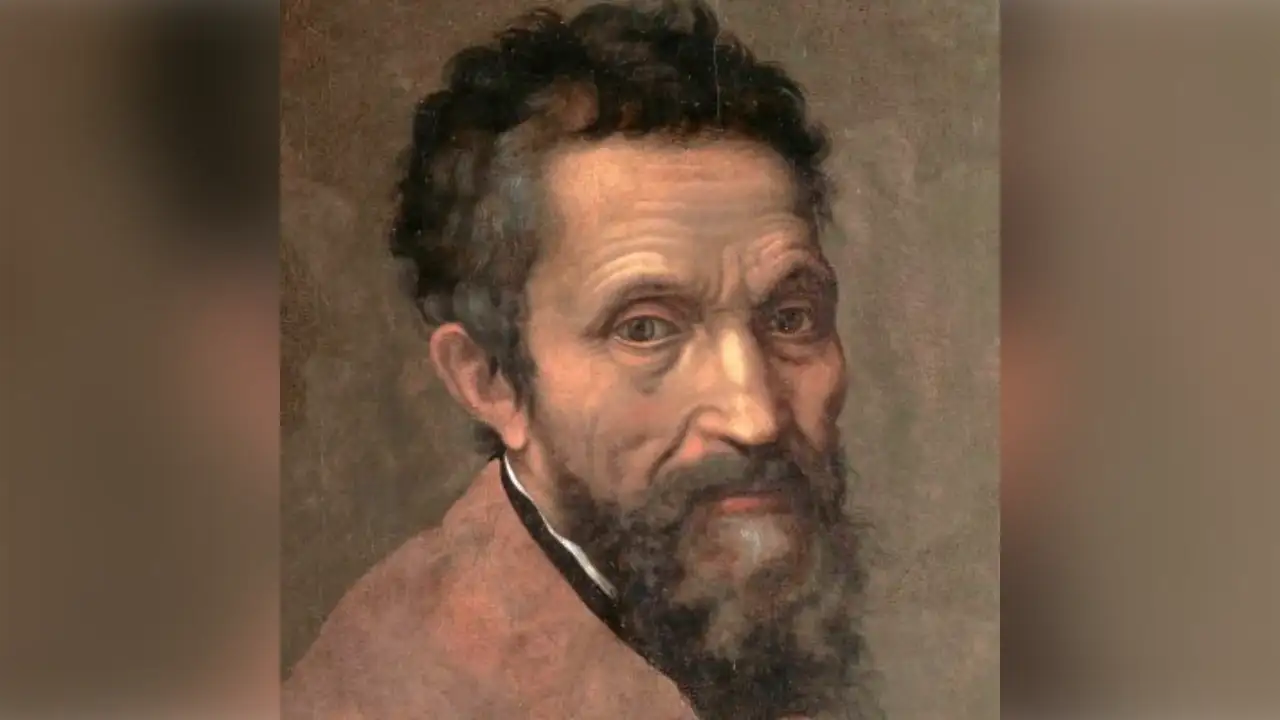
Who Was Michelangelo
Michelangelo was an Italian Renaissance sculptor, painter, architect and poet who became one of the most influential artists in Western art. Born on March 6, 1475, in Caprese, he was considered one of the greatest living artists during his lifetime, as per a Britannica report.
Michelangelo’s Early Life
Michelangelo grew up in a family that had once belonged to Florence’s minor nobility. At 13, he became an apprentice to painter Domenico Ghirlandaio but left after a year.
He later came under the influence of Lorenzo de’ Medici and gained access to the Medici collection of ancient Roman sculptures. His early works already showed his interest in classical forms and powerful human figures.
Michelangelo’s Most Famous Works
Michelangelo created Pietà in Rome between 1498 and 1499. The sculpture shows the Virgin Mary holding the dead Christ and became one of his most celebrated works.
Between 1501 and 1504, he created David from a large block of marble that had been left unfinished for decades. The completed statue became a symbol of the Florentine Republic.
Michelangelo and the Sistine Chapel
Michelangelo painted the ceiling of the Sistine Chapel between 1508 and 1512. The vast fresco includes scenes from Genesis, along with figures of prophets and sibyls. The Creation of Adam is among its most famous sections, as per the Britannica report.
Later, between 1536 and 1541, Michelangelo painted The Last Judgment on the chapel’s end wall.
Michelangelo’s Later Life and Legacy
In his later years, Michelangelo focused more on architecture, working on projects including the Capitoline Square and the dome of St. Peter’s Basilica, as per the Britannica report. He also wrote numerous poems.
Michelangelo died in Rome on February 18, 1564, aged 88.