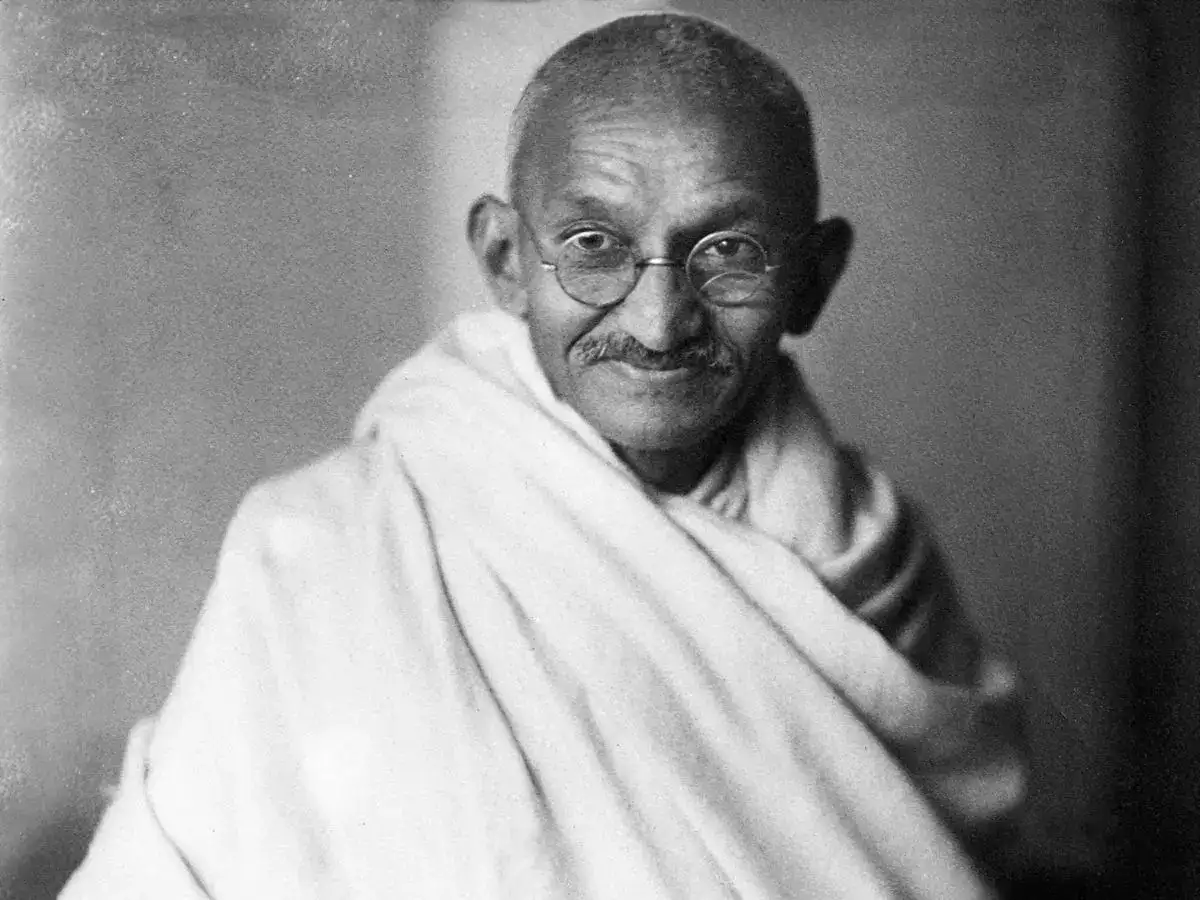
Quote of the day by Mahatma Gandhi offers a message about happiness and harmony. The quote says, “Happiness is when what you think, what you say, and what you do are in harmony.” This idea connects with Gandhi’s life and his work in politics, society, and spirituality. He led the Indian Independence Movement and promoted nonviolent protest. His life story shows how personal discipline shaped public leadership. This article explains the meaning of the quote and shares lessons about human nature and peace. It also explains Gandhi’s childhood, education, work in South Africa, spiritual journey, and leadership in public life.
Quote of the day today
The quote says,
“Happiness is when what you think, what you say, and what you do are in harmony.”
The quote by Mahatma Gandhi shows how harmony between thoughts, words, and actions leads to happiness. This message connects with his life as a lawyer, politician, social activist, and writer. He became the leader of the Indian Independence Movement against British rule. Many people call him the father of the nation. His doctrine of nonviolent protest helped people seek political and social progress.
Life lessons on true happiness, human nature and peace by India’s father of the nation
The teachings of Mahatma Gandhi continue to guide people across the world. His message focused on inner balance and personal discipline. He believed that happiness begins when a person aligns thoughts, words, and actions. This idea links personal life with social responsibility and peace. Gandhi taught that true happiness does not depend on wealth or status. He believed it grows from honesty, self-control, and service. He encouraged people to live with purpose and avoid harming others. His idea of peace started from the individual and then extended to society and nations.
He also explained human nature through his own life experiences. Gandhi accepted that people make mistakes. However, he believed self-reflection and correction can lead to growth. He encouraged people to learn from failure and move toward truth and nonviolence. His teachings on peace were practical. He showed that conflicts can be resolved without violence. He promoted dialogue, patience, and empathy. These lessons remain useful in daily life, workplaces, and international relations.
Mahatma Gandhi life
Mahatma Gandhi was born on October 2, 1869, in Porbandar, India. He died on January 30, 1948, in Delhi. His full name was Mohandas Karamchand Gandhi. He belonged to the Indian National Congress and was married to Kasturba Gandhi. He became known for satyagraha, which means devotion to truth and nonviolence. Millions of people respected him and called him Mahatma, meaning Great Soul. His fame spread across the world during his lifetime and grew after his death.
Mahatma Gandhi childhood and early influences
Gandhi grew up in a religious family. His father Karamchand Gandhi was the chief minister of Porbandar and later Rajkot. His mother Putlibai followed religion and fasting. His home followed Vaishnavism and Jain values such as nonviolence, vegetarianism, fasting, and tolerance.
He studied in schools in Porbandar and Rajkot. He was good in English and average in other subjects. He married at age 13. He was shy and liked walking alone. During youth he went through rebellion such as smoking and eating meat. Later he promised self-improvement and followed truth and sacrifice.
Mahatma Gandhi education and journey to England
In 1887, he passed the matriculation exam of the University of Bombay. He joined Samaldas College but found English lectures difficult. His family decided he should study law in England. He took a vow to avoid wine, women, and meat during his stay abroad.
He sailed to England in 1888 and joined the Inner Temple in London. He studied law and passed the University of London matriculation exam. He became interested in vegetarianism and joined the London Vegetarian Society. He read the Bhagavad Gita and the Bible. These texts influenced his thinking about morality and religion.
Return to India and move to South Africa
Gandhi returned to India in 1891 and learned his mother had died. He struggled to build a legal career. In 1893 he accepted a contract to work in South Africa. This decision changed his life.
He faced racial discrimination in South Africa. He was asked to remove his turban in court and was thrown out of a train. He saw discrimination against Indian workers and traders. These events changed his thinking. He decided to fight injustice.
Emergence as a political and social activist
Gandhi studied the rights of Indians in South Africa. In 1894 he founded the Natal Indian Congress. He drafted petitions and raised awareness about discrimination. Newspapers in London and India discussed the issue.
He returned to India in 1896 to gather support. When he came back to South Africa, he faced attack by a mob but refused legal action. He believed in forgiveness and nonviolence.
Birth of satyagraha and resistance
In 1906, a law required registration of Indians in Transvaal. Gandhi led protests and launched satyagraha. People took a pledge to resist laws peacefully and accept punishment.
The movement lasted more than seven years. Many Indians went to jail and faced violence. Eventually the government agreed to a compromise with Gandhi. His work in South Africa shaped his leadership and prepared him for future struggles.
Spiritual journey and religious quest
Gandhi studied many religions including Hinduism, Christianity, and Islam. He believed all religions were true but imperfect. The Bhagavad Gita became his spiritual guide. Two ideas influenced him: nonpossession and equability.
He believed a lawyer should unite people instead of creating conflict. He spent money on public causes and lived simply. He created settlements such as Phoenix Farm and Tolstoy Farm to practice simple living.
Quote meaning and relevance
The quote explains that happiness comes from harmony between thoughts, words, and actions. Gandhi believed that inner peace leads to social peace. If people live honestly and act without violence, society becomes peaceful. The message applies to daily life, leadership, and relationships. It encourages people to follow truth and consistency.
Meaning of harmony in daily life
The quote by Mahatma Gandhi explains that happiness grows when thoughts, speech, and actions match. When a person avoids contradiction in life, stress reduces and clarity increases. This harmony builds stability and personal satisfaction.
Relevance in modern society
Today people face pressure from work, social media, and public expectations. Many feel forced to say or do things that do not match their beliefs. The quote reminds people to remain honest and consistent even in challenging situations.
Importance in personal relationships
Relationships depend on trust. When people speak truth and act honestly, relationships become stronger. The quote encourages open communication and responsible behavior in families and friendships.
Value in workplaces and leadership
Leaders gain respect when their actions match their promises. The quote highlights accountability and transparency. These values help teams build trust and improve cooperation.
Role in mental well-being
Inner conflict often leads to stress and anxiety. Aligning thoughts, speech, and actions reduces emotional pressure. This supports mental balance and helps people live peacefully.
Life lessons from the quote
The quote teaches personal discipline and honesty. It shows that peace begins within a person. Gandhi’s life proves that harmony can guide political and social change. His leadership used nonviolence, tolerance, and truth. These lessons remain relevant for modern society and global peace.
Inner harmony creates real happiness
Mahatma Gandhi believed that happiness begins when thoughts, speech, and actions match. When a person lives with this balance, there is less confusion and less conflict in life. This harmony helps people stay calm and focused in daily decisions.
Truth as a daily practice
The quote highlights the importance of truth in every situation. Speaking honestly and acting with integrity builds trust. Over time, truth becomes a habit that shapes strong relationships and a clear conscience.
Self-discipline guides actions
Careful thinking before speaking or acting helps avoid mistakes. Discipline helps people control anger and impulsive behavior. This creates stability in personal and professional life.
Peace begins with the individual
The message shows that peace in society starts from inner peace. When individuals practice calm behavior and empathy, they reduce conflict around them. Small actions can create wider social harmony.
Responsibility for choices
The quote reminds people to take responsibility for what they say and do. Accepting results and learning from mistakes leads to growth and maturity.
Living with purpose
When actions follow values, life gains direction. Purpose helps people make better decisions and remain committed to long-term goals.
Why this message remains important today?
The message of harmony helps people deal with conflict and stress. It teaches balance between belief and action. Many leaders and movements still follow Gandhi’s ideas of nonviolence and truth. The quote reminds people that happiness comes from integrity and self-discipline.