
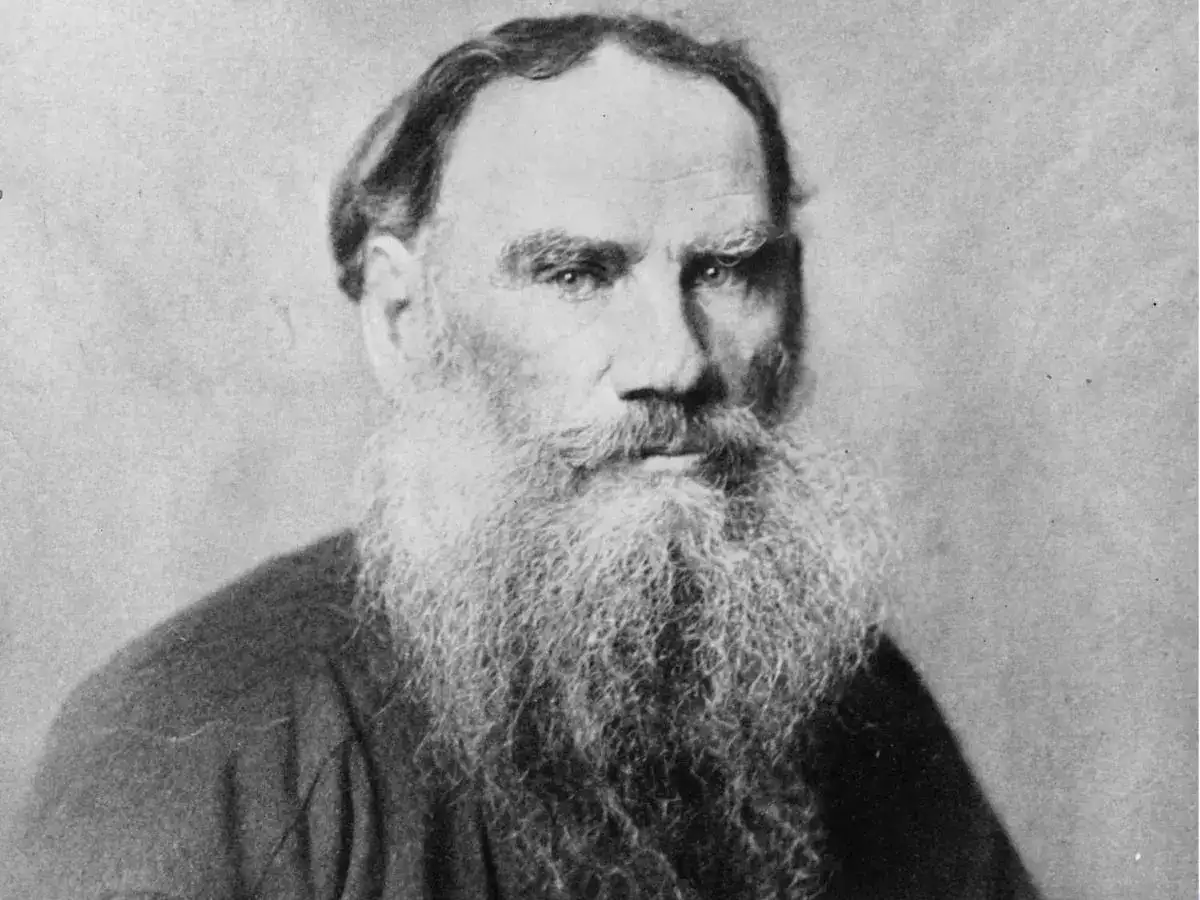
Quote of the day by Leo Tolstoy continues to connect with readers because it discusses human behavior in a direct way. The quote says, “If you make it a habit not to blame others, you will feel the growth of the ability to love in your soul, and you will see the growth of goodness in your life.” The statement focuses on accountability, emotional understanding and inner peace. Tolstoy believed people should look inward instead of placing responsibility on others. His writings on morality, spirituality and daily life made him one of the most discussed authors in world literature. The quote remains relevant because many people today struggle with conflict, stress and emotional reactions in relationships and society.
Quote of the day today and why it matters
The quote by Leo Tolstoy says:
“If you make it a habit not to blame others, you will feel the growth of the ability to love in your soul, and you will see the growth of goodness in your life.”
The message focuses on self-control and personal responsibility. Tolstoy suggests that blaming others creates anger, resentment and distance between people. He believed that when a person stops blaming others, they begin to understand themselves and others more clearly.
The quote also connects love with responsibility. Tolstoy explains that love does not grow through arguments or judgment. Instead, love grows when people learn patience, understanding and acceptance. The quote encourages people to improve themselves rather than criticize others.
In daily life, many conflicts begin because people focus on faults outside themselves. Families, workplaces and friendships often suffer when blame becomes a habit. Tolstoy’s words remind readers that changing personal behavior can improve relationships and emotional health.
Meaning behind the Leo Tolstoy quote
The meaning of the quote is connected to emotional maturity and self-awareness. Tolstoy believed people spend too much time searching for faults in others. According to him, this habit prevents personal growth. The first part of the quote talks about “not blaming others.” This does not mean ignoring mistakes or accepting unfair treatment. Instead, it means understanding situations calmly and taking responsibility for one’s own reactions.
The second part discusses “the ability to love.” Tolstoy believed love is not only emotion. He viewed love as a practice connected with patience, kindness and compassion. When people stop reacting with blame, they become more open to understanding others. The final part of the quote mentions “the growth of goodness.” Tolstoy believed goodness develops slowly through actions and habits. He argued that daily choices shape character and influence society.
The quote remains relevant because social media, politics and modern communication often encourage criticism and division. Tolstoy’s words offer a different approach focused on reflection and understanding.
Life lessons from the quote
Learn responsibility instead of blame
One lesson from the quote is the importance of responsibility. Tolstoy believed people should examine their own actions before criticizing others. This habit can reduce anger and improve communication.
Build stronger relationships
Blame often damages trust between people. Tolstoy’s quote encourages understanding and patience. Families and friendships can become healthier when people avoid constant criticism.
Focus on emotional balance
The quote also teaches emotional control. Reacting with blame can increase stress and conflict. Calm thinking can help people handle problems more effectively.
Practice kindness in daily life
Tolstoy often connected morality with everyday actions. Small acts of kindness and understanding can improve personal and social life over time.
Accept human imperfection
The quote reminds readers that every person makes mistakes. Accepting this reality can help people become less judgmental and more compassionate.
Who was Leo Tolstoy?
Leo Tolstoy was born on September 9, 1828, at Yasnaya Polyana in Russia. He became one of the most influential writers in world literature. His major novels include War and Peace and Anna Karenina. Tolstoy was known for writing about human emotions, morality, family life and spirituality. Critics and readers considered his work realistic because he described ordinary life in detail. He also explored questions about death, purpose and human behavior.
During his later years, Tolstoy became interested in religion and moral philosophy. He promoted nonviolence, simplicity and compassion. His ideas influenced many leaders and thinkers, including Mahatma Gandhi. Tolstoy’s writing career included novels, essays, diaries and short stories. His works such as The Death of Ivan Ilyich, Resurrection and The Kingdom of God Is Within You explored social issues and spiritual questions.
Leo Tolstoy’s influence on literature and philosophy
Tolstoy changed the way novels were written. He focused on human consciousness, small details and emotional realism. Many writers admired his ability to describe ordinary life and human thoughts. British writer Virginia Woolf called Tolstoy one of the greatest novelists. His work also influenced authors, philosophers and political thinkers across the world.
Tolstoy’s ideas about nonviolence and morality influenced Gandhi’s approach to peaceful resistance. His teachings later affected civil rights movements and discussions about ethics and spirituality. Even today, Tolstoy’s books are studied in universities and schools worldwide. Readers continue to connect with his ideas about family, love, suffering and purpose.
Why the quote still connects with modern readers?
Modern life often includes stress, competition and conflict. Many people react quickly in difficult situations and place blame on others. Tolstoy’s quote offers another perspective based on patience and self-reflection.
The quote is also relevant because discussions online frequently become hostile. Tolstoy’s message encourages understanding instead of judgment. His words suggest that personal peace begins with personal responsibility.
The quote also appeals to readers interested in spirituality and mental well-being. Many people search for ways to improve emotional health and relationships. Tolstoy’s advice provides a simple but meaningful approach.
Legacy of Leo Tolstoy
Tolstoy died in 1910 at the age of 82, but his influence continues in literature, philosophy and moral discussions. His novels remain widely read, and his teachings about peace, compassion and human dignity continue to inspire readers.
His quote about avoiding blame reflects many themes found throughout his life and writings. Tolstoy believed that personal transformation could lead to social transformation. He encouraged people to live with honesty, kindness and awareness.
Today, his words continue to appear in discussions about self-improvement, relationships, spirituality and emotional growth. The quote remains a reminder that change often begins within the individual.









.png?w=600)




