An old friend promises to call but never does. A colleague says they will help, then disappears when the work begins. Someone close to you tells you they care, yet their choices repeatedly suggest otherwise.
Most people eventually learn the uncomfortable lesson: what someone says can be reassuring, but what they actually do is often far more revealing.
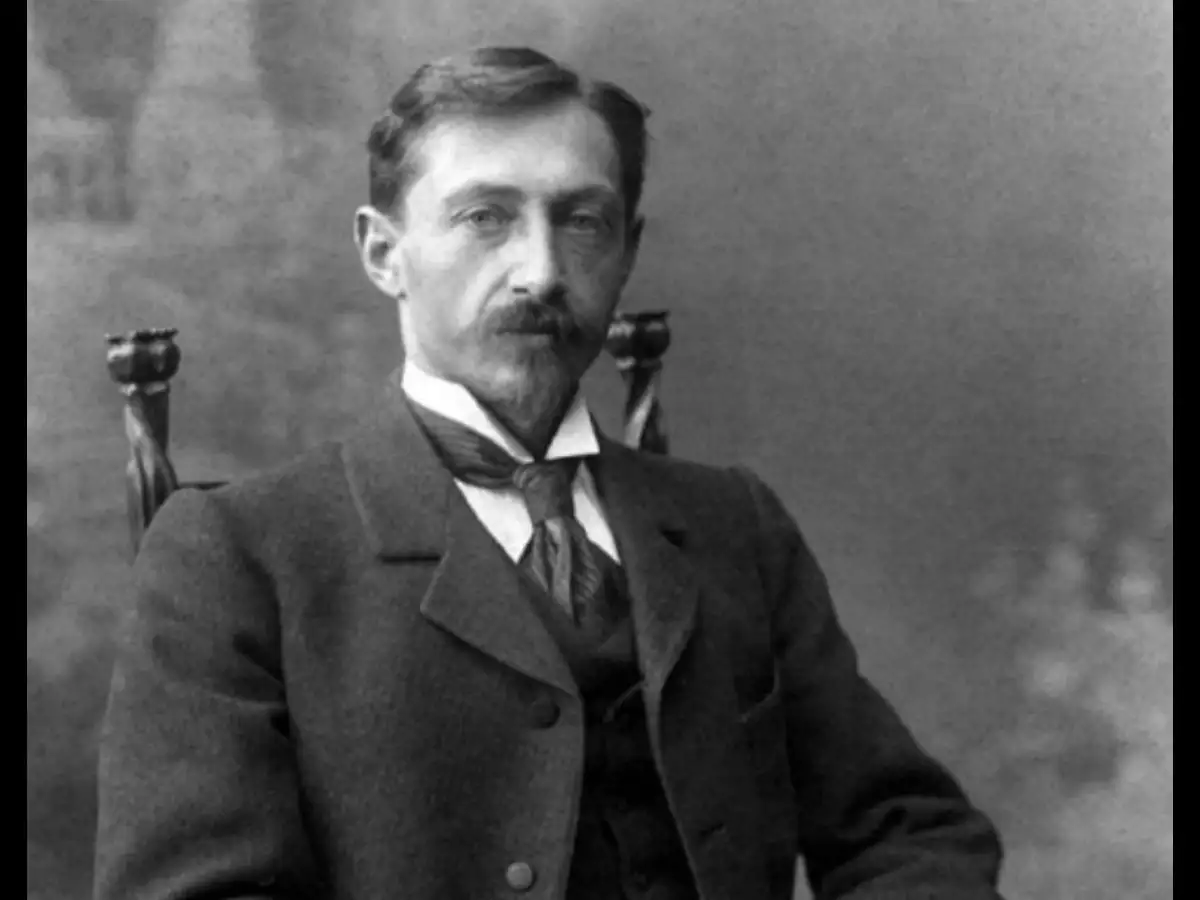
That tension between promises and reality lies at the heart of today’s quote from Russian writer Ivan Bunin, whose work often explored human behavior, relationships and the complex emotions of everyday life.
Quote of the Day by Ivan Bunin: “Words are one thing, deeds are quite another.”
The line is brief, but its meaning reaches far beyond ordinary conversations. It highlights the gap between what people promise and what they ultimately choose to do.
Why Ivan Bunin’s quote on words and actions matters today
In everyday life, words are easy to offer. People can make promises, express affection, apologize, make commitments or describe the kind of person they want to be.
Actions demand more. A promise becomes meaningful only when someone follows through. An apology matters when behavior changes. A declaration of loyalty carries greater weight when it is supported by choices made when nobody is watching.
That is why Bunin’s observation still feels relevant. Whether in a relationship, workplace, friendship or family life, people are often forced to decide whether to trust what they hear or pay attention to what they see.
What Ivan Bunin’s quote means in real life
The quote does not necessarily suggest that words are worthless. Communication matters. People need words to explain themselves, express emotions and make commitments. But words can also create expectations that actions later fail to meet.
Real life often provides the clearest test. Someone may promise to change, but the pattern of their behavior reveals whether that promise has substance. A manager may talk about valuing an employee, but opportunities, pay and recognition can reveal how that value is actually expressed. A friend may say they will be there, but their presence during difficult moments can tell a different story.
The deeper lesson is to look for consistency between what people say and what they do. When the two repeatedly contradict each other, actions can become the more reliable evidence.
Who was Ivan Bunin?
Ivan Alekseyevich Bunin was born in Voronezh, Russia, in 1870 and became one of the most celebrated Russian writers of his generation. He worked as a journalist early in his career and began publishing poetry and short stories while still young. His writing later became known for its precise language, detailed descriptions of nature and close attention to human psychology.
Bunin drew heavily from the traditions of 19th-century Russian literature. His works included The Village, The Gentleman from San Francisco, Light Breathing and Mitya’s Love. He became particularly known for his short stories and literary prose, while maintaining an independent position during a period of enormous political upheaval in Russia.
The Russian Revolution changed the course of his life. Bunin left Russia, eventually settling in France, where he became one of the most prominent Russian émigré writers. In 1933, he became the first Russian writer to receive the Nobel Prize in Literature.
Ivan Bunin’s legacy
Bunin spent his later decades in France and remained outside the Soviet literary establishment. During World War II, he lived in the south of France and refused contact with the Nazis. He also reportedly sheltered Jewish people at his villa.
His literary legacy rests partly on his ability to capture ordinary human experiences with unusual precision. Love, memory, aging, loss, desire and the passage of time recur throughout his work. His writing often focused less on grand declarations than on the small details through which human character becomes visible.
That makes the simplicity of his famous observation particularly striking. People can describe themselves in countless ways. They can make promises and offer explanations. But eventually, their choices have to carry the weight of those words. Sometimes, the clearest answer is not what someone says at all. It is what they do.