Every day, headlines tell stories of war, political polarization, environmental crises, and societies struggling to find common ground. We often search for better leaders, stronger institutions, or smarter technology to solve humanity's biggest problems. But over two centuries ago, one philosopher argued that lasting peace requires something much deeper, a transformation in the way people think.
According to German philosopher Immanuel Kant, peace is not simply the absence of war. It is the result of people learning to rise above narrow self-interest and seeing themselves as part of a larger human community.
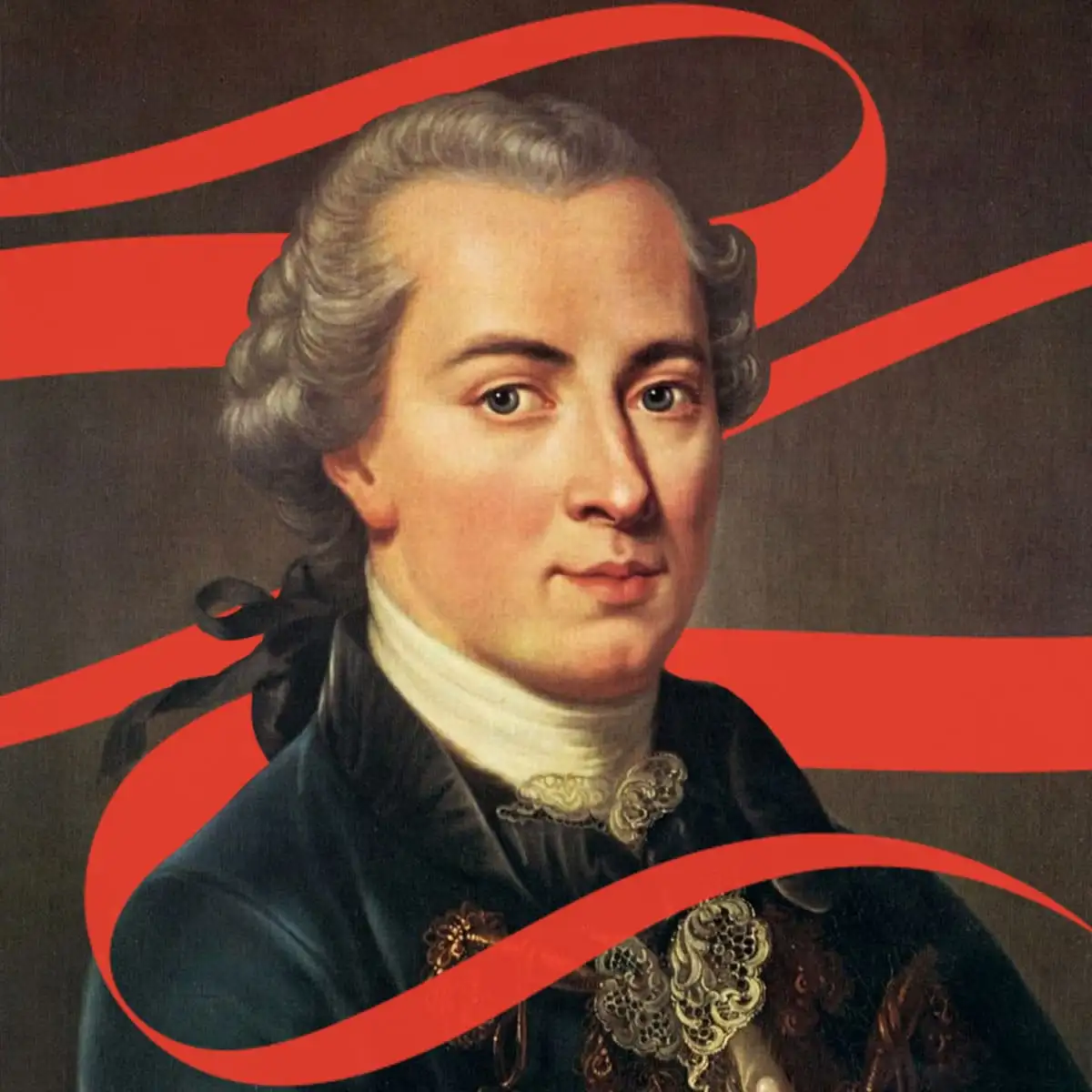
Quote of the day by Immanuel Kant: "For peace to reign on Earth, humans must evolve into new beings who have learned to see the whole first."
Who was Immanuel Kant?
Immanuel Kant (1724-1804) is widely regarded as one of the most influential thinkers in the history of Western philosophy. Born in Königsberg, then part of Prussia (now Kaliningrad, Russia), Kant spent nearly his entire life in the same city, teaching, writing, and developing ideas that transformed philosophy.
Living during the Enlightenment, a period that emphasized reason, science, and human progress, Kant sought to answer some of humanity's biggest questions: What can we know? What should we do? What may we hope for?
His landmark works, including Critique of Pure Reason, Critique of Practical Reason, and Perpetual Peace: A Philosophical Sketch , continue to influence ethics, politics, law, psychology, and international relations.
Perhaps his greatest contribution was the idea that morality should be guided by universal principles rather than personal gain. His famous concept of the categorical imperative argues that people should act only according to rules they would want everyone else to follow.
Whether interpreted literally or philosophically, this quotation captures one of Kant's enduring beliefs: humanity's greatest obstacle to peace is its inability to think beyond individual or national interests.
What does the quote mean?
Whether interpreted literally or philosophically, this quotation captures one of Kant's enduring beliefs: humanity's greatest obstacle to peace is its inability to think beyond individual or national interests.
Most conflicts begin because individuals, communities, or nations focus primarily on protecting their own interests. Kant believed genuine peace requires a different mindset, one that recognizes every person as part of a shared human family.
To "see the whole first" means considering how our actions affect others before acting solely for personal benefit. It calls for empathy, responsibility, and moral reasoning rather than fear, revenge, or short-term advantage.
The quote highlighted is widely attributed to Immanuel Kant and is reproduced here as it appears on Goodreads.
Why Kant's message still matters today
The challenges of the 21st century are increasingly global. Climate change, pandemics, cyber threats, migration, and economic instability cannot be solved by any single country acting alone.
Kant argued centuries ago that peace depends on recognizing our shared destiny. His political philosophy emphasized cooperation between nations, the rule of law, and institutions capable of resolving disputes without violence.
In many ways, his vision anticipated today's discussions about international organizations, global governance, and universal human rights.
Even on a personal level, his advice remains powerful: before asking "What's best for me?" ask "What's best for all of us?"
That simple change in perspective has the potential to transform relationships, workplaces, communities, and societies.
More memorable quotes by Immanuel Kant
"Science is organized knowledge. Wisdom is organized life."
"Act only according to that maxim whereby you can, at the same time, will that it should become a universal law."
"Dare to know! Have courage to use your own understanding."
"Experience without theory is blind, but theory without experience is mere intellectual play."
"Out of the crooked timber of humanity, no straight thing was ever made."