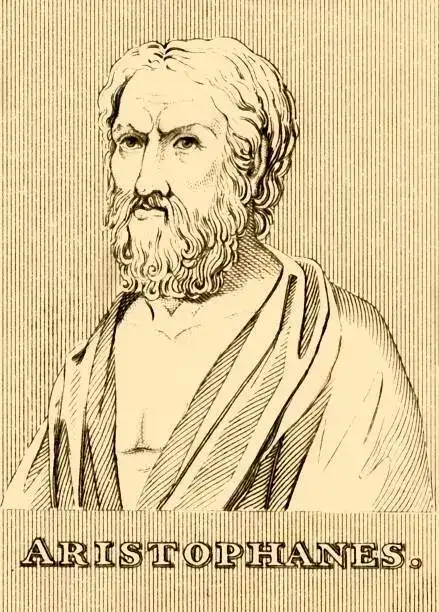
Quote of the day: More than 2,000 years after his plays first echoed through ancient Athens, Greek playwright Aristophanes continues to spark conversations about love, power, relationships and the strange contradictions of human nature. Known for his fearless satire and sharp humour, Aristophanes used comedy not just to entertain audiences but to expose the emotions and flaws people often try to hide. His plays mixed political criticism, social commentary and playful observations about everyday life, making him one of the most influential voices in classical literature. Even today, many of his lines feel surprisingly modern because they touch on timeless truths about human relationships and emotional dependence.
Quote of the day today
One of Aristophanes’ most quoted observations about relationships reads:
“These impossible women! How they do get around us! The poet was right: Can't live with them, or without them.”
The line captures a humorous but deeply relatable truth about emotional connection. While phrased dramatically and playfully, the quote reflects how relationships often involve frustration, admiration, confusion and affection all at once. It acknowledges that the people who challenge us the most are often the same people we cannot imagine life without.
Quote of the day meaning
At its core, the quote is about emotional contradiction. Aristophanes highlights the idea that close relationships can be both rewarding and exhausting. People often complain about misunderstandings, disagreements and emotional complications, yet they continue to seek companionship and connection because human beings are not designed to live in isolation.
The phrase “can’t live with them, or without them” has survived for centuries because it reflects a universal emotional experience. Romantic partners, family members and even close friends can test patience, but they also provide meaning, comfort and emotional support.
In modern psychology, this idea connects closely with attachment theory, which explains how humans naturally form emotional bonds. Even complicated relationships fulfill emotional needs such as belonging, validation and intimacy. The quote therefore works not only as comedy but also as an insight into human behaviour.
Who was Aristophanes?
Aristophanes was born around 450 BCE and became the greatest known representative of Old Comedy in ancient Greece. Unlike many writers of his era, his works survived in large numbers, allowing later generations to understand both the humour and political climate of classical Athens.
He wrote during the period of the Peloponnesian War, a long conflict between Athens and Sparta that shaped Greek society. His comedies often mocked politicians, philosophers and public attitudes. Yet beneath the jokes, Aristophanes examined fear, ambition, greed, vanity and love.
His surviving plays include famous works such as Lysistrata, Clouds, Birds and Frogs. Many of these stories used absurd humour and exaggerated situations to comment on serious social issues.
Why Aristophanes still feels modern
What makes Aristophanes remarkable is how contemporary his writing can sound. His observations about relationships, politics and society still resonate because human emotions have not changed much over the centuries.
In plays like Lysistrata, women organize a strike to pressure men into ending war. The story is comedic, but it also explores gender dynamics, emotional intelligence and social power. Aristophanes understood that humour could reveal truths people were uncomfortable discussing openly.
The quote about women reflects that same style. It exaggerates frustration for comedic effect while quietly admitting emotional dependence. Many modern romantic comedies still rely on the exact same tension: attraction mixed with irritation, affection mixed with disagreement.
The deeper emotional lesson behind the quote
Although the quote sounds playful, it carries an important message about acceptance. Relationships are rarely perfect because human beings themselves are imperfect. Conflict, misunderstanding and emotional complexity are natural parts of connection.
Modern relationship experts often argue that healthy relationships are not defined by the absence of problems but by the ability to navigate them together. Aristophanes’ observation indirectly supports this idea. The line suggests that despite difficulties, relationships remain valuable because they bring companionship, growth and emotional meaning.
The quote also reminds people not to expect perfection from others. Sometimes the people who challenge us emotionally also inspire us, support us and help us evolve.
Aristophanes and the power of satire
Throughout his career, Aristophanes used humour as a tool of criticism and reflection. His comedies openly attacked war policies, political corruption and intellectual trends in Athens. Yet he rarely presented human beings as entirely good or entirely bad.
Instead, his work embraced contradiction. His characters were flawed, emotional, selfish, loving and ridiculous all at once. That balance is one reason his writing remains influential in literature and theatre studies today.
Unlike tragedies that focused on heroic suffering, Aristophanes believed comedy could expose reality more honestly. Laughter allowed audiences to recognize truths about themselves without feeling directly threatened.
Why the quote still resonates today
In the modern world of dating apps, social media and fast-moving relationships, the emotional tension captured in Aristophanes’ quote still feels familiar. Many people struggle with balancing independence and emotional attachment. They desire connection while also fearing vulnerability and conflict.
The quote resonates because it reflects the emotional complexity of loving someone deeply. Relationships can create stress and joy simultaneously. They can frustrate people while also giving life warmth and purpose.
That emotional duality is part of what makes relationships meaningful. Aristophanes understood centuries ago that love is rarely simple, but it remains one of the strongest forces shaping human life.
The lasting legacy of Aristophanes
Even after more than two millennia, Aristophanes remains one of history’s most celebrated comic writers. His plays continue to be translated, studied and performed around the world because they capture universal human experiences through wit and imagination.
His quote about relationships survives not because it offers a perfect philosophy, but because it captures something deeply recognizable about human emotions. Love, companionship and frustration often exist together, and perhaps that contradiction is exactly what makes relationships feel real.