Quote of the Day: A person scrolling through endless distractions, chasing temporary pleasures, and searching for moments of escape, Franz Kafka’s haunting words feel strangely familiar even decades after his death. The quote captures one of the central ideas that appeared throughout Kafka’s writing: the human desire to escape the uncomfortable truths of existence.
Kafka was not a writer who offered easy answers. His stories often explored fear, loneliness, confusion, identity, and the struggle to find meaning in a world that can feel overwhelming. His characters were often ordinary people trapped in strange situations, searching for understanding and connection. And that is exactly why this quote continues to resonate.
Quote of the Day
“Reality is too heavy for people, so they rent illusions and call it happiness.” — Franz Kafka
What does Kafka mean by “renting illusions”?
The idea behind the quote is that people sometimes choose comforting illusions over difficult realities.
Reality can be painful. It demands honesty, self-reflection, and the courage to face uncertainty. Illusions, however, offer temporary relief. They allow people to avoid questions they may not want to answer.
For Kafka, happiness was often complicated. He understood that people sometimes create emotional shelters — through ambition, status, relationships, distractions, or fantasies — because the truth about themselves and the world can feel too heavy to carry.
The word “rent” is especially powerful. Kafka does not say people buy illusions. He suggests they borrow them temporarily because they cannot truly possess them. The escape works only for a while before reality returns.
How did Franz Kafka’s own life influence his writing?
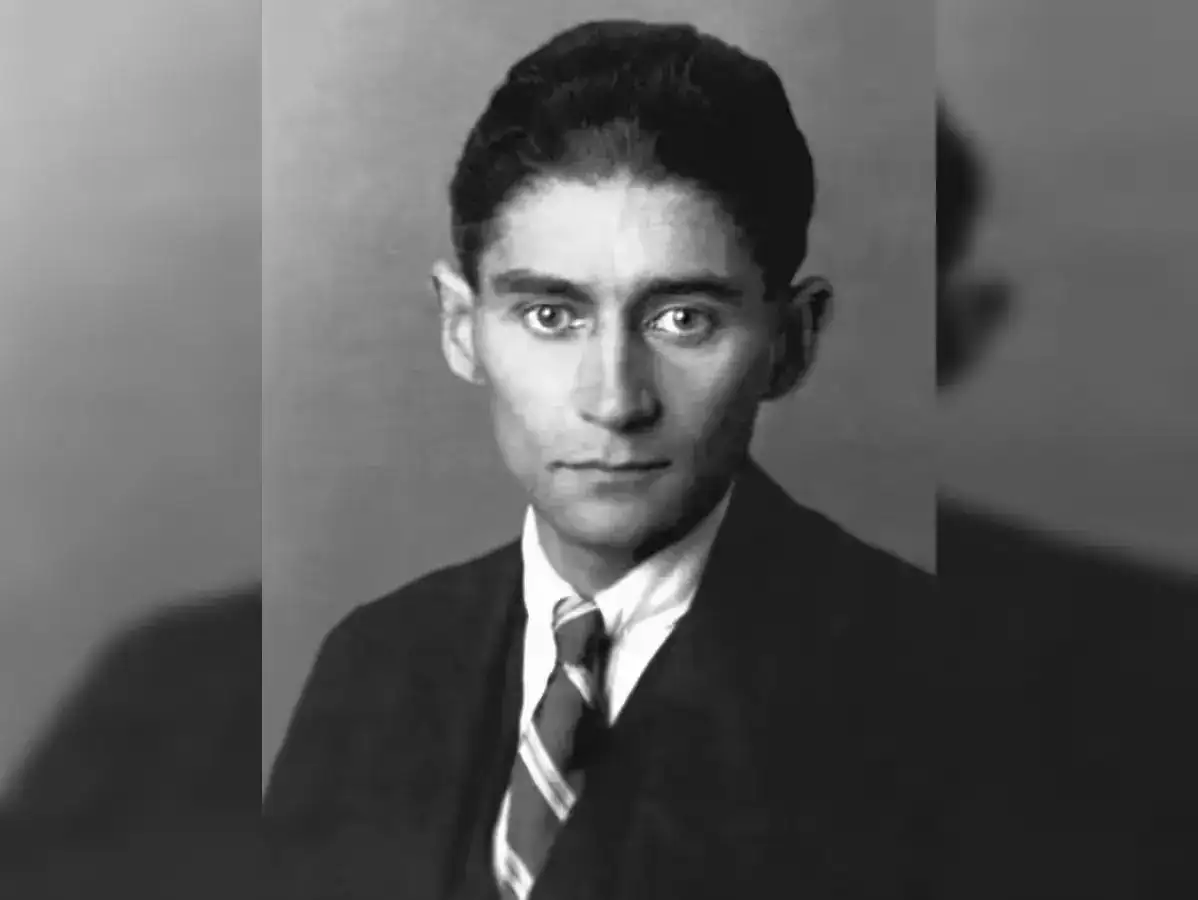
Born in Prague in 1883, Franz Kafka became one of the most influential writers of the 20th century. His works such as The Metamorphosis and The Trial explored the anxiety and alienation of modern life.
Kafka’s own experiences shaped much of his writing. He often struggled with feelings of isolation, self-doubt, and conflict between his personal desires and the expectations placed upon him.
His relationship with his father, Hermann Kafka, had a deep impact on him. Kafka viewed his father as a powerful and intimidating figure, and he later expressed those emotions in his famous Letter to His Father, where he described feelings of fear, guilt, and inadequacy.
Although he worked a regular office job, Kafka considered writing his true calling. His nights were often spent creating stories that reflected his inner struggles — stories filled with characters searching for purpose in confusing and unforgiving worlds.
The Franz Kafka Quote That Exposes Our Search for Escape
Kafka’s ideas feel surprisingly connected to modern life. People today have countless ways to escape reality. Entertainment, social media, constant distractions, and the pressure to appear successful can sometimes create a version of happiness that looks perfect from the outside but feels empty underneath.
The quote raises an uncomfortable question: Are we genuinely happy, or are we simply distracted enough not to notice what is missing?
Kafka was fascinated by this gap between appearance and truth. His characters often live inside systems they do not understand, following rules they did not create, while quietly searching for meaning.
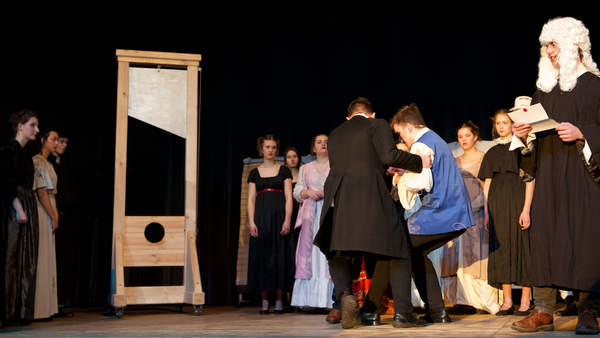
In The Trial, the main character Joseph K. is arrested without knowing his crime. He spends the story trying to understand an invisible system that controls his life. The novel reflects Kafka’s belief that modern existence can often feel confusing, unfair, and impossible to fully escape.
What life lesson does Franz Kafka’s quote teach us?
The message behind the quote is not that happiness is fake. Instead, Kafka challenges us to examine the kind of happiness we pursue.
There is a difference between peace and avoidance. A person can find joy in simple pleasures, relationships, creativity, and meaningful experiences. But when happiness becomes only a way to avoid reality, it may become another illusion.
Kafka’s writing reminds us that facing reality, even when it is uncomfortable, can lead to a deeper understanding of ourselves. Sometimes the things we avoid are the very things that help us grow.
Why does Franz Kafka still matter today?
Kafka died in 1924 at the age of 40, believing many of his writings would disappear. He even asked his friend Max Brod to destroy his unpublished manuscripts after his death. Brod ignored the request, and the world eventually discovered a writer whose work would influence generations.
Today, Kafka’s name is used to describe situations that feel absurd, confusing, or controlled by invisible forces — the word “Kafkaesque” became part of everyday language.
His stories remain powerful because they do not only describe one person’s struggles. They describe something universal, the human search for meaning in a complicated world. Kafka’s quote reminds us that illusions may offer comfort, but truth is where real understanding begins.