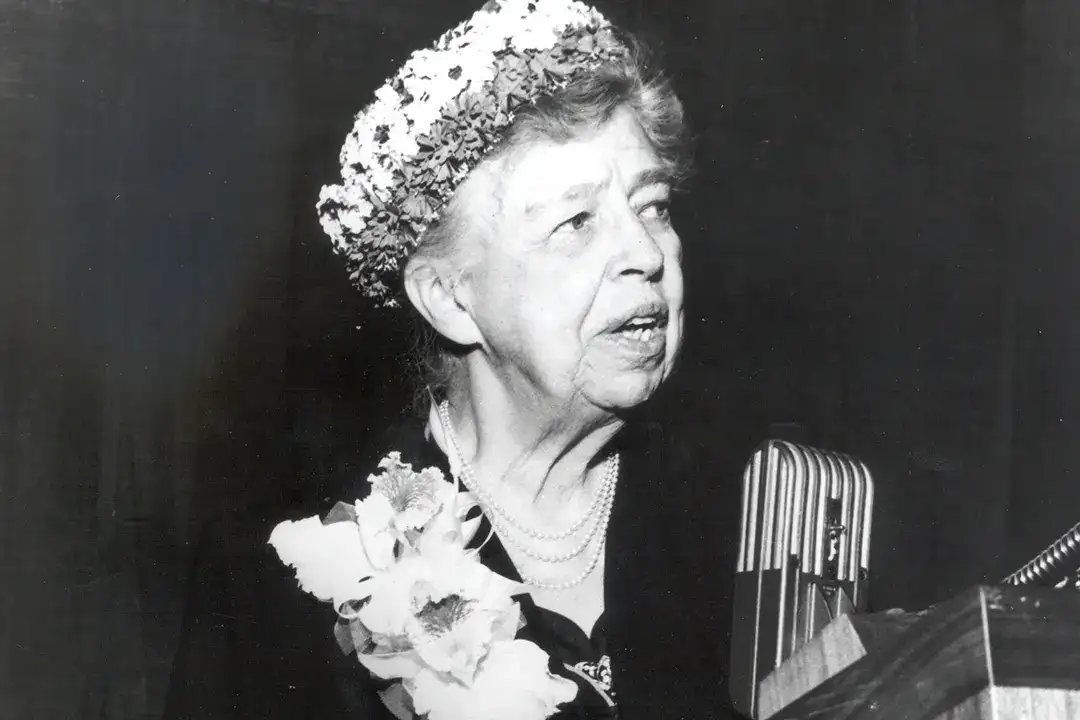
Quote of the Day by Eleanor Roosevelt: Eleanor Roosevelt’s quote, “If someone betrays you once, it’s their fault; if they betray you twice, it’s your fault,” explores the importance of trust, self-awareness, and emotional responsibility in relationships. The quote suggests that the first betrayal is the responsibility of the person who breaks trust, as it reflects their actions, choices, or lack of integrity.
However, the deeper meaning emphasizes the importance of learning from experience and setting healthy emotional boundaries. While forgiveness is a valuable human quality, repeating the same situation often reflects a lack of self-protection and awareness of patterns. The quote is not about blaming the person who is hurt, but about encouraging emotional maturity and the ability to recognize when trust is being repeatedly misused. In today’s world of complex relationships and emotional challenges, this message remains highly relevant. It reminds us that strong relationships require both compassion and boundaries. True emotional strength comes from knowing when to trust again and when to step back to protect self-respect, peace of mind, and personal well-being.
Quote of the Day Today: Eleanor Roosevelt on relationships, emotional intelligence and self-protection
Quote of the Day by Eleanor Roosevelt: “If someone betrays you once, it’s their fault; if they betray you twice, it’s your fault.”
Meaning of Eleanor Roosevelt’s Quote About Relationships and Self-Respect
American political leader and diplomat Eleanor Roosevelt’s quote, “If someone betrays you once, it’s their fault; if they betray you twice, it’s your fault,” explores the deep importance of trust, awareness, and emotional responsibility in relationships. The phrase “betrays you once” represents a single instance of broken trust, where responsibility lies with the person who caused harm. Roosevelt suggests that the first betrayal reflects the other person’s actions, choices, or lack of integrity.
However, the deeper meaning of the quote emphasizes the importance of recognizing patterns and protecting one’s emotional well-being. If someone is allowed to repeat betrayal after trust has already been broken, it reflects a lack of boundaries and self-awareness. The quote is not about blaming the person who is hurt, but about encouraging emotional maturity, learning from experience, and understanding when trust is being repeatedly misused. A healthy relationship requires both forgiveness and self-respect, ensuring that trust is not given blindly after repeated harm.
Early Life of Eleanor Roosevelt
Eleanor Roosevelt was born on October 11, 1884, in New York City, United States, into a prominent and influential family. Her father, Elliott Roosevelt, came from the well-known Roosevelt family, while her mother, Anna Hall Roosevelt, was admired for her social grace. Despite her privileged background, Roosevelt faced a difficult childhood marked by personal loss and emotional challenges. These early experiences shaped her deep empathy for others and later influenced her lifelong commitment to human rights and social justice. She developed a strong sense of compassion and independence from a young age, which became central to her personality.
Education and Personal Development
Roosevelt received her early education in private institutions in the United States and later studied in England at Allenswood Academy, where she was greatly influenced by headmistress Marie Souvestre. At Allenswood, she developed confidence, intellectual curiosity, and a strong sense of social responsibility. This experience played a key role in shaping her worldview, particularly her belief in equality, dignity, and moral responsibility. She returned to the United States with a broader perspective and a growing interest in public service and humanitarian work.
Rise in Public Life and Political Role
Eleanor Roosevelt became widely known as the wife of President Franklin D. Roosevelt, serving as First Lady of the United States from 1933 to 1945. However, she redefined the role of First Lady by actively engaging in political, social, and humanitarian issues. She held press conferences, wrote columns, and advocated for civil rights, women’s rights, and workers’ welfare. Her influence extended far beyond traditional expectations, making her one of the most active and impactful First Ladies in American history.
Advocacy, Challenges, and Global Influence
Throughout her life, Roosevelt faced criticism and political opposition, but she remained committed to her principles. She played a significant role in drafting the Universal Declaration of Human Rights as a delegate to the United Nations. Her work focused on equality, dignity, and justice for all people, regardless of background or status. Despite challenges, she continued to speak out for marginalized communities and became a global symbol of humanitarian leadership and moral courage.
Legacy and Lasting Influence
Eleanor Roosevelt passed away on November 7, 1962, in New York City, at the age of 78. She is remembered as one of the most influential women in American history. Her legacy continues through her contributions to human rights, social reform, and global diplomacy. Today, she is celebrated for her courage, compassion, and unwavering commitment to justice, equality, and human dignity.
Why a crumpled piece of paper cannot be made perfect again
A crumpled piece of paper cannot be made perfect again, and this simple image is often used as a metaphor for human emotions, actions, and relationships. Once paper is folded, pressed, and wrinkled, it may be smoothed out, but the marks of damage always remain visible. In the same way, certain words, actions, or experiences leave lasting impressions on people that cannot be completely erased. This idea teaches us about the importance of mindfulness, respect, and careful behavior in our interactions with others. It reminds us that while forgiveness and healing are possible, complete restoration is not always achievable. The quote highlights how choices have consequences and encourages us to act thoughtfully before causing harm. Ultimately, it serves as a lesson that some damage may fade over time, but traces of it often remain forever, shaping how things and people are remembered and perceived
Life Lessons from Eleanor Roosevelt’ Famous Quote
The powerful quote teaches that trust in relationships must be paired with awareness, self-respect, and emotional responsibility. Healthy relationships are not only about giving people chances but also about recognizing patterns of behavior that may cause repeated harm. The quote highlights that while mistakes can happen once, allowing the same betrayal again often reflects a lack of boundaries and emotional self-protection. In real life, this message is especially important because trust is built gradually and should not be misused repeatedly. Roosevelt’s words continue to remind people that emotional strength comes from learning, observing behavior carefully, and protecting one’s dignity while still valuing compassion and forgiveness.
Why This Quote Still Matters Today
Eleanor Roosevelt’s quote remains highly relevant today because modern relationships often involve complex emotions, quick decisions, and repeated cycles of trust and disappointment. In today’s fast-moving world, people sometimes ignore warning signs due to emotional attachment or hope for change. This quote reminds us that while forgiveness is important, repeating the same mistake can lead to deeper emotional harm. Healthy relationships today depend on both trust and boundaries, ensuring that respect is maintained on both sides. Roosevelt’s message continues to emphasize the importance of emotional intelligence, self-awareness, and the ability to protect oneself from repeated patterns of betrayal.
Relationship Wisdom
The saying, reflects a timeless truth about trust and personal responsibility. Real relationships are built on honesty, accountability, and mutual respect. While the first betrayal may be unexpected, repeated betrayal often signals a pattern that should not be ignored. This wisdom highlights that emotional maturity involves knowing when to forgive and when to set boundaries. True strength in relationships is not only about giving chances but also about protecting one’s peace, recognizing behavior patterns, and ensuring that trust is not repeatedly broken at the cost of self-respect.