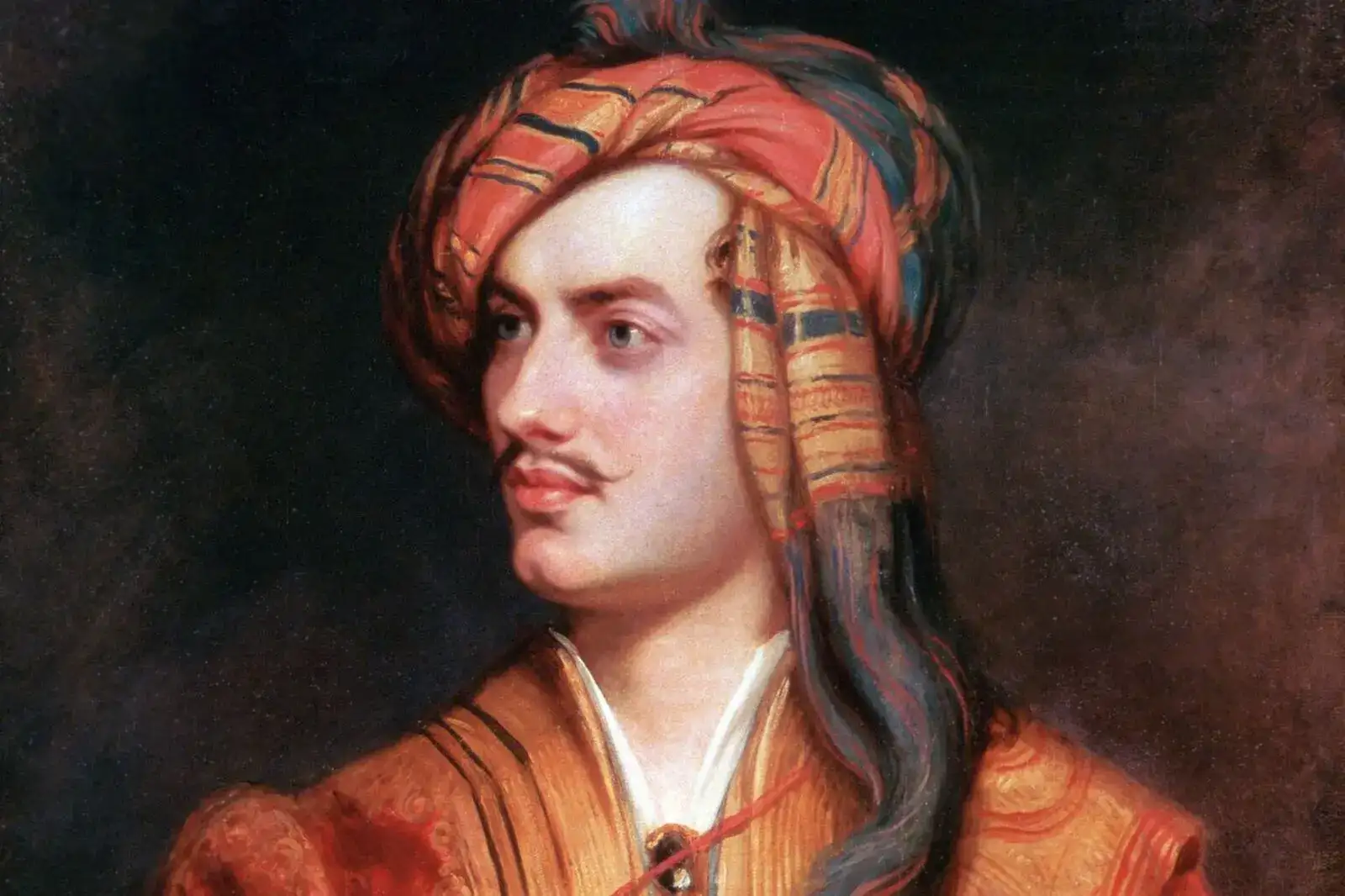
Quote of the Day by Lord Byron: One of the most celebrated literary figures of the Romantic era, Lord Byron was known for his passionate poetry, rebellious personality, and deep reflections on human emotion and existence. His writings often explored themes of love, suffering, desire, freedom, and the complexity of human nature. Among his many memorable observations, the quote, “The great object of life is sensation- to feel that we exist, even though in pain,” continues to resonate with readers across generations.
The powerful line suggests that true existence is shaped not only by happiness and comfort, but also by emotional intensity, struggle, and personal experience. In a world where people often try to avoid pain or discomfort, Byron’s words serve as a reminder that feeling deeply even during difficult moments is part of what makes life meaningful, authentic, and profoundly human.
Quote of the Day Today: Lord Byron on human existence, emotional depth and truly living
Quote of the Day by Lord Byron: “The great object of life is sensation- to feel that we exist, even though in pain.”
Meaning of the Quote of the Day: What does Lord Byron’s quote really mean?
Lord Byron’s quote reflects a deep idea about what it means to truly live. When he says, “The great object of life is sensation- to feel that we exist, even though in pain,” he is emphasizing that human life gains meaning through experience and emotion, not just comfort or ease. According to Byron, it is better to feel everything deeply—joy, love, struggle, and even suffering than to feel nothing at all.
The quote highlights that pain is not meaningless; it is part of being fully alive and aware of ourselves. Every emotional experience, whether positive or negative, shapes identity and gives life depth. In this sense, Byron encourages people to embrace life completely instead of avoiding difficult emotions. His message remains relevant today because it reminds us that authenticity, emotional awareness, and lived experience are what make life truly meaningful.
Why Life is meant to be experienced, not just lived
Life isn’t meant to just pass by, it’s meant to be felt, explored, and fully lived. It’s not the ticking of days that defines us, but the moments that make us pause, feel, and grow. When we step beyond routine, even ordinary experiences begin to carry meaning the laughter shared, the lessons learned, the risks taken, and the quiet moments in between. Too often, life becomes a checklist, but real living happens when we are present in what we’re doing instead of just moving through it. Every experience adds a layer to who we are, shaping perspective and purpose. In the end, life becomes richer not by how long it lasts, but by how deeply it is experienced.
Life lessons from Lord Byron’s quote
Embrace all emotions, not just happiness
One of the key lessons is that life is meant to be felt deeply. Joy, excitement, sadness, and pain all contribute to a complete human experience.
Pain is part of being alive
The quote reminds us that difficult emotions are not meaningless. Pain helps us recognize our existence and understand ourselves more clearly.
Avoid emotional numbness
Byron warns against living a life where nothing is felt strongly. A comfortable but emotionally empty life may lack true meaning.
Authentic living matters
True living means being honest with your emotions instead of suppressing them. Feeling deeply is a sign of awareness, not weakness.
Growth comes through experience
Every emotional moment, good or bad, builds resilience, shapes personality, and adds depth to life’s journey.
Why Lord Byron’s Quote Still Matters in Modern Life
Lord Byron’s reflection, “The great object of life is sensation—to feel that we exist, even though in pain,” continues to resonate strongly in today’s world. In an era defined by constant digital noise, fast routines, and emotional overload, many people move through life on autopilot, often disconnected from their deeper feelings. This quote serves as a reminder that the essence of being human lies in experiencing life fully, not just existing through it.
Even painful emotions are part of that experience, because they confirm awareness, depth, and emotional truth. Modern society often encourages comfort, distraction, and avoidance of discomfort, but Byron challenges this mindset by suggesting that feeling even suffering is what makes life real. It pushes us to embrace both joy and struggle as meaningful parts of existence. Ultimately, the quote remains relevant because it urges people to live consciously, feel deeply, and engage with life instead of simply passing through it.
Major achievements of Lord Byron
Lord Byron was one of the leading figures of the Romantic movement in English literature. His major achievements include influential narrative poems such as
Childe Harold’s Pilgrimageand
Don Juan, which gained him widespread fame across Europe. He revolutionized poetic expression by introducing the “Byronic hero,” a complex character type marked by passion, rebellion, emotional depth, and moral ambiguity.
Byron’s works challenged traditional poetic norms and emphasized intense emotion, individual freedom, and personal experience. He also contributed to shaping modern literary storytelling through his vivid style and dramatic themes. Beyond poetry, Byron was politically active and supported revolutionary movements, including the Greek War of Independence, where he even participated directly.
Global recognition and influence
Lord Byron achieved extraordinary global recognition during his lifetime and beyond. He became a literary celebrity across Europe, admired not only in England but also in countries like Italy, Greece, and France. His works were widely translated and influenced writers, poets, and artists worldwide.
The concept of the “Byronic hero” became a lasting cultural archetype, inspiring characters in literature, theater, and even modern films. Byron’s passionate and rebellious personality also contributed to his international fame, making him a symbol of romantic individuality and emotional intensity. His influence extended beyond literature into politics and culture, especially in revolutionary movements that admired his ideals of freedom.
Lord Byron’s philosophy beyond literature
Beyond his poetry, Lord Byron expressed a philosophy centered on emotion, freedom, and intense personal experience. He believed that life should be lived fully, embracing both joy and suffering as essential parts of human existence. His writings often reflected skepticism toward rigid social norms and emphasized individual expression over conformity.
Byron’s worldview valued authenticity, passion, and emotional truth, suggesting that human identity is shaped through lived experiences rather than abstract rules. He also explored themes of existential struggle, questioning meaning, morality, and the limits of human desire. This philosophical outlook aligned with Romantic ideals, which prioritized feeling and imagination over strict rationality.
Why Lord Byron’s legacy still matters today
The legacy of Lord Byron remains important in the modern world because his ideas about emotion, individuality, and freedom are still deeply relevant. In today’s fast-paced and highly structured society, people often struggle with emotional suppression, identity pressures, and lack of authentic expression. Byron’s work reminds us of the importance of embracing feelings fully, even when they are complex or painful. His concept of living intensely encourages people to value personal experience over conformity. His legacy also lives on in discussions about mental health, creativity, and self-expression.
Inspiring Quotes by Lord Byron
Here are few more famous quotes by Lord Byron
- “There are four questions of value in life... What is sacred? Of what is the spirit made? What is worth living "for, and what is worth dying for? The answer to each is same. Only love.” As per Goodreads
- “Love will find a way through paths where wolves fear to prey.” As per Goodreads
- “Be thou the rainbow in the storms of life. The evening beam that smiles the clouds away, and tints tomorrow with prophetic ray.” As per Goodreads
- “Adversity is the first path to truth.” As per Goodreads