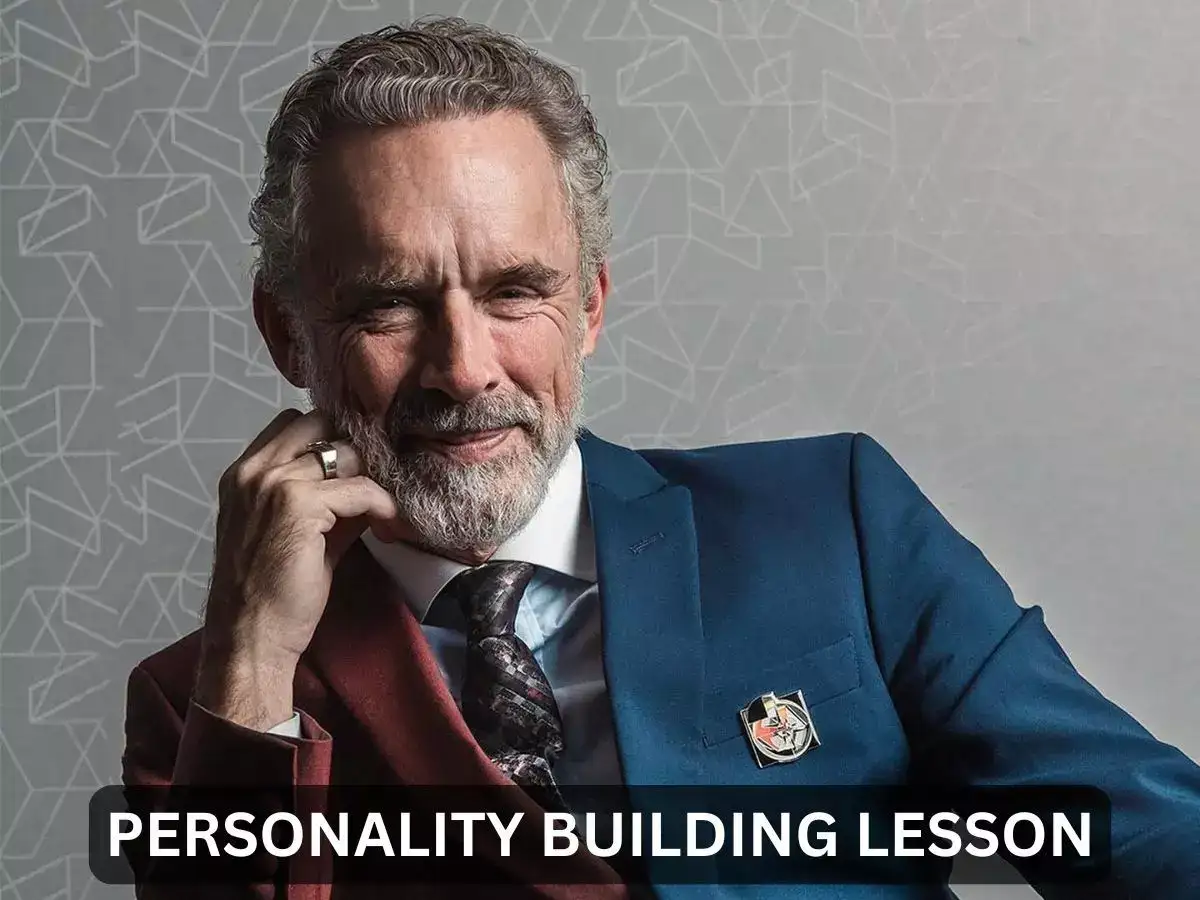
Quote of the Day: Social media timelines filled with luxury vacations, perfect bodies, career milestones and carefully curated success stories have quietly changed the way people judge their own lives. For many, self-worth is now measured against strangers online rather than personal growth. That is exactly why one quote from clinical psychologist and author Jordan Peterson continues to resonate deeply with millions of people around the world.
Powerful quote by Jordan Peterson
“Compare yourself to who you were yesterday, not to who someone else is today.” by Jordan Peterson.
Simple on the surface, the line has become one of Peterson’s most widely shared ideas because it directly confronts a problem that defines modern life: constant comparison. In a culture obsessed with competition and external validation, Peterson’s advice shifts attention away from other people and back toward personal responsibility, self-improvement and gradual progress.
Unlike motivational slogans that promise instant success, the quote feels grounded in reality. It does not ask people to become extraordinary overnight. Instead, it argues that meaningful growth begins with small improvements made consistently over time.
Why Jordan Peterson’s quote connects with so many people
Part of the quote’s popularity comes from how psychologically accurate it feels. Human beings naturally compare themselves to others, but modern technology has intensified that instinct to an unhealthy level. Every day, people are exposed to carefully edited versions of strangers’ lives online, creating unrealistic standards for beauty, wealth, achievement and happiness.
Peterson’s quote challenges that mindset completely. Instead of treating life like a competition against everyone else, he suggests that the real comparison should be internal. The question is not whether someone is richer, smarter or more successful than you today. The real question is whether you are becoming slightly better than the person you were yesterday.
That idea has become especially meaningful for younger audiences dealing with anxiety, burnout and feelings of inadequacy. Many people struggle because they compare their beginning to someone else’s peak. Peterson’s words remind them that personal growth is usually slow, uneven and deeply individual.
The quote also reflects Peterson’s broader philosophy about responsibility and discipline. Throughout his lectures and books, he repeatedly argues that people create meaning in life by improving themselves step by step rather than blaming the world for their problems.
Who is Jordan Peterson?
Dr. Jordan B. Peterson is a Canadian clinical psychologist, author and Professor Emeritus at the University of Toronto. Over the last decade, he has become one of the world’s most recognised public intellectuals through his lectures, books, podcasts and online debates, as per the Independent Institute.
Before becoming globally famous, Peterson spent years teaching psychology at Harvard University and later at the University of Toronto. His academic work focused on personality psychology, political belief systems, religion, mythology and human behaviour. He also maintained a clinical practice where he worked with patients dealing with depression, anxiety and other psychological challenges.
Peterson first gained widespread public attention after speaking out against compelled speech laws and political correctness in Canada, turning him into a highly polarising figure. Supporters viewed him as a defender of free speech and personal responsibility, while critics accused him of promoting controversial political and cultural ideas, as per the Independent Institute.
Regardless of public debate around him, Peterson’s influence grew rapidly online. His lectures on psychology, mythology and self-discipline attracted millions of viewers, particularly young men searching for structure, meaning and direction in their lives.