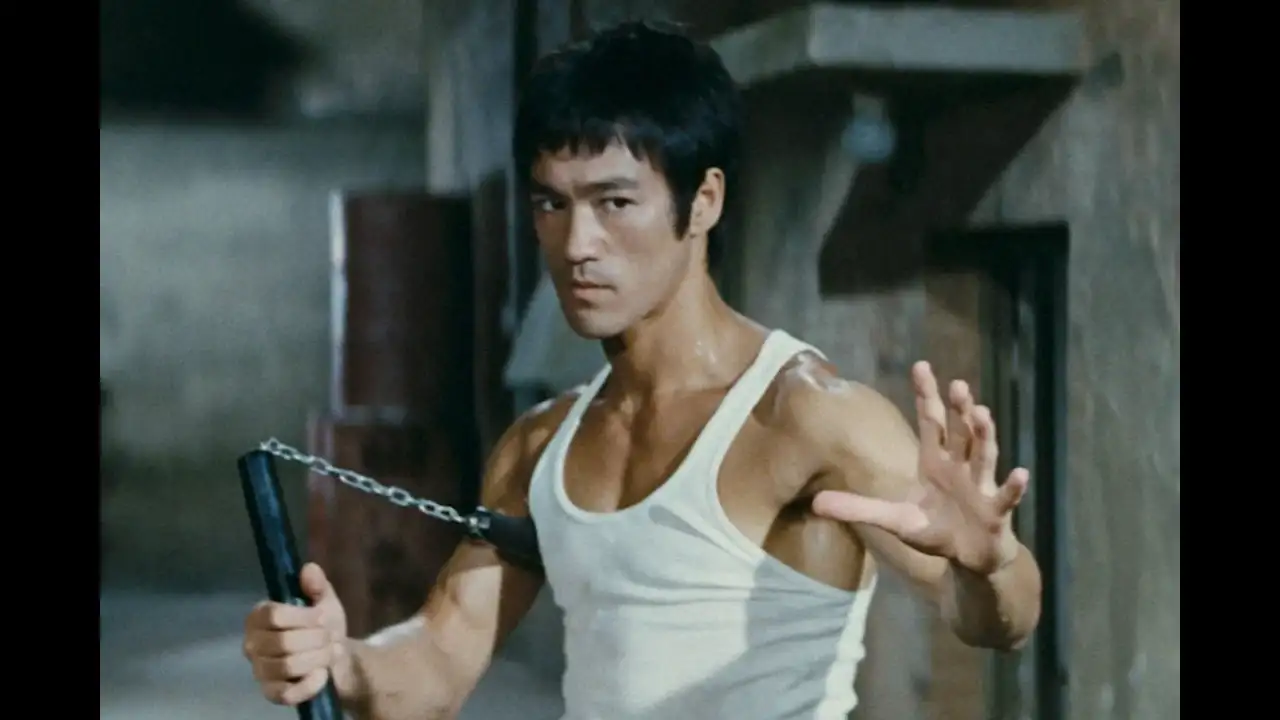
Quote of the Day by Bruce Lee: Personal growth is often shaped by the ability to learn from experience, remain open to new ideas, and develop an understanding of what truly works for us. Life constantly presents new challenges, perspectives, and opportunities, making adaptability an important part of progress. However, growth does not mean simply copying the ideas or methods of others. It also requires developing individuality, confidence, and independent judgment.
His powerful quote, “Adapt what is useful, reject what is useless, and add what is specifically your own,” highlights the importance of adaptability, critical thinking, and personal identity. In today’s rapidly changing world, where people are constantly exposed to new information, opinions, trends, and expectations, this quote still carries deep significance. It reminds us to learn from others without losing our individuality, question what no longer serves us, and create an approach that reflects our own experiences and values. Bruce Lee’s words continue to inspire discussions about personal growth, independent thinking, flexibility, and the importance of becoming uniquely ourselves.
Quote of the Day Today: Bruce Lee on adaptability, innovation and experience
Quote of the Day by Bruce Lee: “Adapt what is useful, reject what is useless, and add what is specifically your own.” As per QuoteFancy
Meaning of Bruce Lee’s Quote About Adaptability and Individuality
Bruce Lee’s quote, “Adapt what is useful, reject what is useless, and add what is specifically your own,” explores the deep importance of adaptability, independent thinking, personal growth, and individuality. The phrase “adapt what is useful” encourages people to recognize valuable ideas, skills, and experiences that can help them improve. “Reject what is useless” suggests having the confidence to let go of habits, beliefs, or methods that no longer serve a meaningful purpose. Finally, “add what is specifically your own” emphasizes the importance of developing a unique identity rather than simply copying others.
However, the deeper meaning of the quote emphasizes that personal growth should combine learning with individuality. People can gain valuable knowledge from others while still questioning, adapting, and improving what they learn. True development comes from discovering what works personally and shaping it according to individual experiences, values, and goals. Bruce Lee’s words remind us that becoming better does not mean becoming someone else; it means learning from the world while creating a path that is uniquely our own.
Why You Should Keep What Helps and Let Go of What Doesn’t
The expression “Keep what helps and let go of what doesn’t” encourages people to evaluate their habits, beliefs, experiences, and relationships with an open and thoughtful mind. Not everything that once worked will remain useful as circumstances change. Holding on to outdated ideas or unhealthy habits can prevent personal growth and make it difficult to move forward. By keeping what supports progress and letting go of what creates unnecessary limitations, people can make room for better opportunities and new perspectives. This does not mean rejecting the past completely. Instead, it means learning from experience and using that knowledge wisely. The expression reflects Bruce Lee’s philosophy of adaptability and independent thinking. It reminds us that growth often requires knowing what to carry forward and what to leave behind.
Early Life of Bruce Lee
Bruce Lee was born on November 27, 1940, in San Francisco, California, to Lee Hoi-chuen and Grace Ho. Although he was born in the United States, he spent much of his childhood in Hong Kong, where his father worked as a Cantonese opera performer. Lee was introduced to the entertainment world at a young age and appeared as a child actor in several films. Growing up in Hong Kong exposed him to different cultural influences and helped develop his interest in martial arts, philosophy, and performance. These early experiences played an important role in shaping the personality and ideas that later made him an international cultural icon.
Education and Martial Arts Development
As a teenager, Bruce Lee became increasingly interested in martial arts and began studying Wing Chun under the renowned instructor Yip Man. Martial arts became an important part of his life, teaching him discipline, physical control, determination, and adaptability. Lee later returned to the United States and attended the University of Washington, where he studied philosophy. His academic interests strongly influenced his approach to martial arts and personal development. He believed that martial arts should involve more than physical strength and should also encourage flexibility, self-awareness, independent thinking, and continuous learning.
Rise to Fame and International Success
Bruce Lee rose to international fame as a martial artist, actor, instructor, and philosopher. After developing his skills in the United States, he began appearing in television and film roles, eventually gaining worldwide recognition through movies such as The Big Boss, Fist of Fury, Way of the Dragon, and Enter the Dragon. His speed, physical ability, charisma, and innovative approach to martial arts made him an extraordinary screen presence. Through his performances, Lee helped introduce Asian martial arts to a much wider international audience and became one of the most influential figures in martial arts cinema.
Philosophy, Personal Development, and Influence
Beyond his achievements as an actor and martial artist, Bruce Lee developed a distinctive philosophy centered on adaptability, self-expression, discipline, and personal freedom. He founded Jeet Kune Do, an approach to martial arts that emphasized flexibility and practical effectiveness rather than rigidly following a single traditional system. His ideas encouraged people to learn from different sources while developing their own understanding and individual style. This philosophy is closely reflected in his famous quote, “Adapt what is useful, reject what is useless, and add what is specifically your own.” His teachings extended beyond martial arts and became influential in discussions about personal growth and independent thinking.
Legacy and Lasting Influence
Bruce Lee died on July 20, 1973, in Hong Kong, at the age of 32. Despite his short life, his influence remains remarkably powerful across martial arts, cinema, fitness, philosophy, and popular culture. He is remembered not only for his extraordinary physical abilities but also for his emphasis on adaptability, discipline, self-knowledge, and individuality. His films continue to attract audiences, while his philosophical ideas continue to inspire martial artists, athletes, artists, and people seeking personal development. Bruce Lee’s legacy demonstrates how a combination of talent, dedication, creativity, and independent thought can leave a lasting impact on the world.