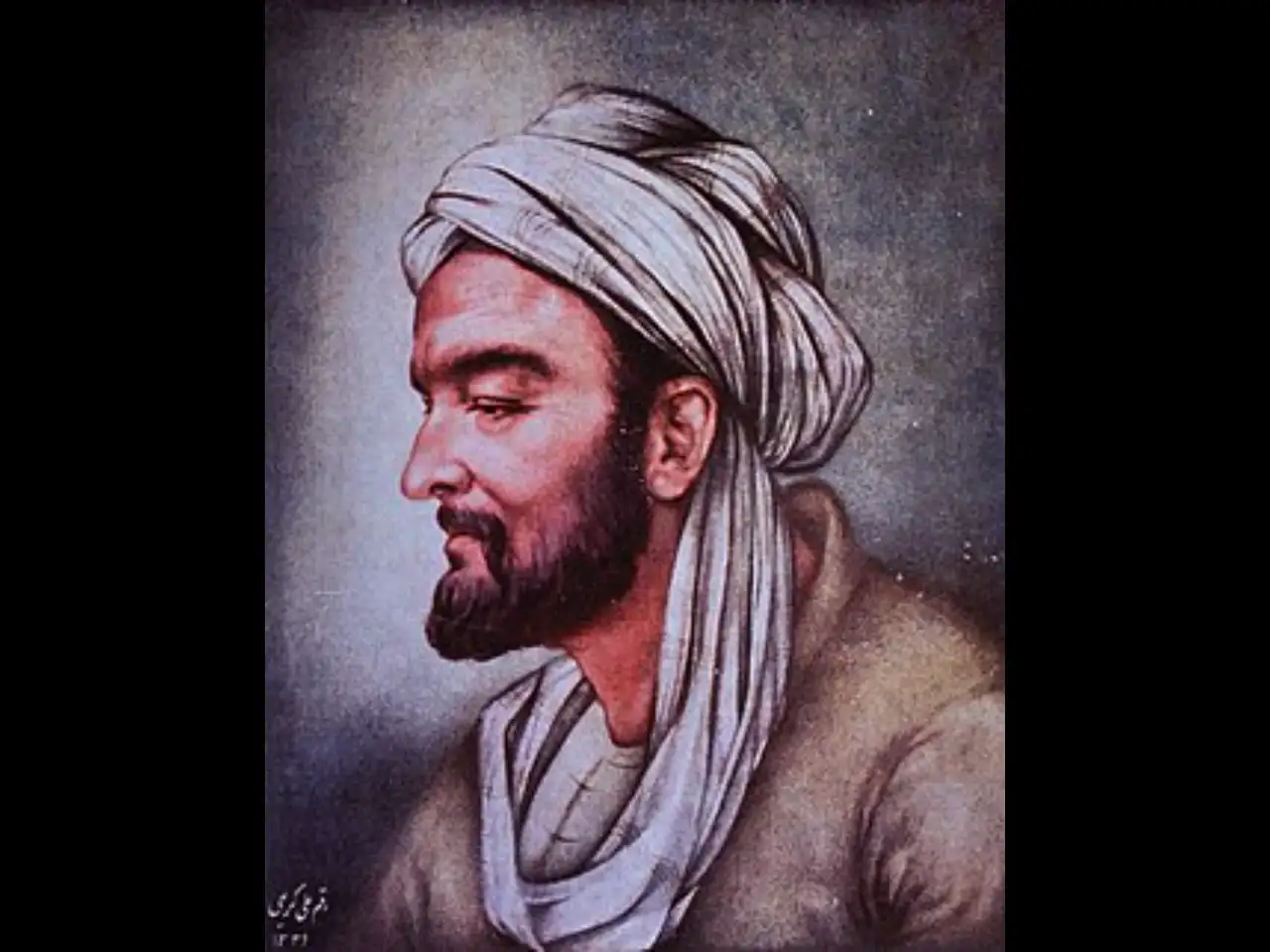
Quote of the Day by Avicenna: There are quotes that make us pause for a moment, and then there are quotes that quietly change the way we look at life. The reflection by Avicenna belongs firmly in the second category. At first glance, it seems philosophical, even mysterious. But the more you think about it, the more it begins to describe everyday life. Much of what we call "time" is actually our mind moving between yesterday's memories and tomorrow's hopes. The present, meanwhile, often slips away unnoticed.
Nearly a thousand years ago, Avicenna understood something that modern psychology and neuroscience continue to explore today, our experience of time is deeply connected to how we think.
Quote of the Day: What Avicenna's Powerful Quote Teaches Us About Life
"Time is merely a feature of our memories and expectations." – Avicenna
Avicenna's timeless quote challenges the way we perceive life, reminding us that time is shaped as much by memory and hope as by clocks and calendars. The legendary philosopher and physician invites us to live more consciously, appreciate the present, and understand that our greatest moments exist in how we remember and imagine them.
Who Was Avicenna?
Born in 980 near Bukhara (now in Uzbekistan), Avicenna, also known by his Arabic name Ibn Sina, was one of history's greatest physicians, philosophers, scientists, and scholars, as per Britannica.
A child prodigy, he memorized the Qur'an by the age of ten and mastered medicine before turning sixteen. By his early twenties, he had already begun writing books that would influence science and philosophy for centuries.
His masterpiece, The Canon of Medicine, became one of the world's most influential medical textbooks and remained a standard reference in European universities for hundreds of years. His philosophical encyclopedia, The Book of the Cure, explored logic, mathematics, physics, and metaphysics with extraordinary depth. Few thinkers have left such a lasting mark on both medicine and philosophy.
What Does the Quote Really Mean?
"Time is merely a feature of our memories and expectations."
Avicenna suggests that our understanding of time comes largely from two places. The first is memory. Everything we call "the past" survives only because we remember it. Happy childhood moments, painful experiences, personal victories, and regrets all continue to shape us because our minds keep revisiting them.
The second is expectation. We constantly imagine tomorrow. We plan careers, dream about relationships, worry about problems, and hope for better days. These expectations influence many of our decisions long before the future actually arrives.
Between memory and expectation lies the present. Ironically, it is often the part of life we pay the least attention to. Avicenna reminds us that while clocks measure time, our minds create the experience of it.
A Lesson That Still Feels Modern
Although these words were written nearly a millennium ago, they resonate with many ideas found in modern psychology. People frequently become trapped replaying old mistakes or worrying about events that have not yet happened. Anxiety often lives in imagined futures, while regret lives in remembered pasts.
Mindfulness, one of today's most discussed mental wellness practices, encourages people to focus on the present moment instead of constantly living inside memory or expectation. Avicenna expressed that same wisdom centuries before the term "mindfulness" even existed.
The Extraordinary Mind Behind the Quote
Avicenna was not simply a philosopher. He was equally respected as a physician, scientist, mathematician, astronomer, and teacher. His medical observations were remarkably advanced for his era. He described diseases with impressive accuracy, emphasized observation and evidence in diagnosis, and organized medical knowledge into systematic categories that physicians relied upon for generations.
His influence extended across the Islamic world and later throughout Europe, helping preserve and expand knowledge during the Middle Ages.
Today, historians continue to recognize him as one of humanity's greatest intellectual figures.
Why These Words Matter Today
Modern life constantly pushes us toward deadlines, notifications, schedules, and endless planning. We often postpone happiness until next month, next year, or the next achievement. At the same time, we carry emotional baggage from experiences that happened years ago.
Avicenna gently reminds us that much of this pressure exists within our own minds. While memories deserve appreciation and future goals provide direction, neither should steal the only moment we truly possess: now.
Life becomes richer when we stop measuring every second and start experiencing it.
The Lasting Legacy of Avicenna
More than 1,000 years after his lifetime, Avicenna continues to influence medicine, philosophy, ethics, and education. His writings shaped generations of physicians, while his philosophical ideas continue to be studied by scholars around the world. His ability to unite science with deep reflection on human existence remains one of his greatest achievements. His quote about time reminds us that wisdom never grows old.
The calendars may change, civilizations may rise and fall, but the human search for meaning remains the same.
And sometimes, the greatest lesson is realizing that life isn't measured by how much time passes, but by how deeply we experience each moment before it becomes another memory.
Life Lessons from the Quote
- Memories should teach us, not imprison us.
- The future deserves planning, not endless worrying.
- The present is where life actually happens.
- Wisdom begins when we become aware of how our minds shape reality.
- Every meaningful life is built one present moment at a time.
Other Inspiring Quotes by Avicenna
- "The world is divided into men who have wit and no religion and men who have religion and no wit."
- "The knowledge of anything, since all things have causes, is not acquired or complete unless it is known by its causes."
- "Absence of understanding does not warrant absence of existence."